Item Model/Manufacturer: Solventless Select, Silicone-Coated 35lb Parchment Paper Description: Made in the USA**,** FDA-certified, vegetable-based silicone parchment paper, 35lb pressed and tailored to the exact dimensions of top equipment brands in freeze drying and heat pressing. Sizes include 9.5" x 20.25" and 12.25" x 20.25". Available in pack size of 500, 1000, 2000, 2500, 5000, and 10,000 sheets. Price/MSRP: NOW THROUGH JANUARY 31st, GET 10% OFF YOUR PARCHMENT PAPER ORDER BY ENTERING CODE WINTER10 DURING CHECKOUT! MUST BE IN ALL CAPS TO WORK. We also offer discounted subscription pricing. **
Current location of item:** Troy, MI**
Estimated lead time:** Most products are ready to ship but please allow for 5-10 Business Days. If you’d like to meat us, pick up is always available. I can also answer questions concerning our lead times and products. **
Fulfillment:** Direct from seller.**
User support / Warranty:** Customer satisfaction is our priority. We are happy to correct any issues with your order and to provide customer support. 30-day money-back guarantee on parchment and filter bags.
Hello Future 4200! This is my first post here. I would like to bring your attention to SolventlessSelect.com. We inherited PurePressure’s products and vendors after Agrify closed down. Original PurePressure and Precision Extraction technical experts remain on our team as well.
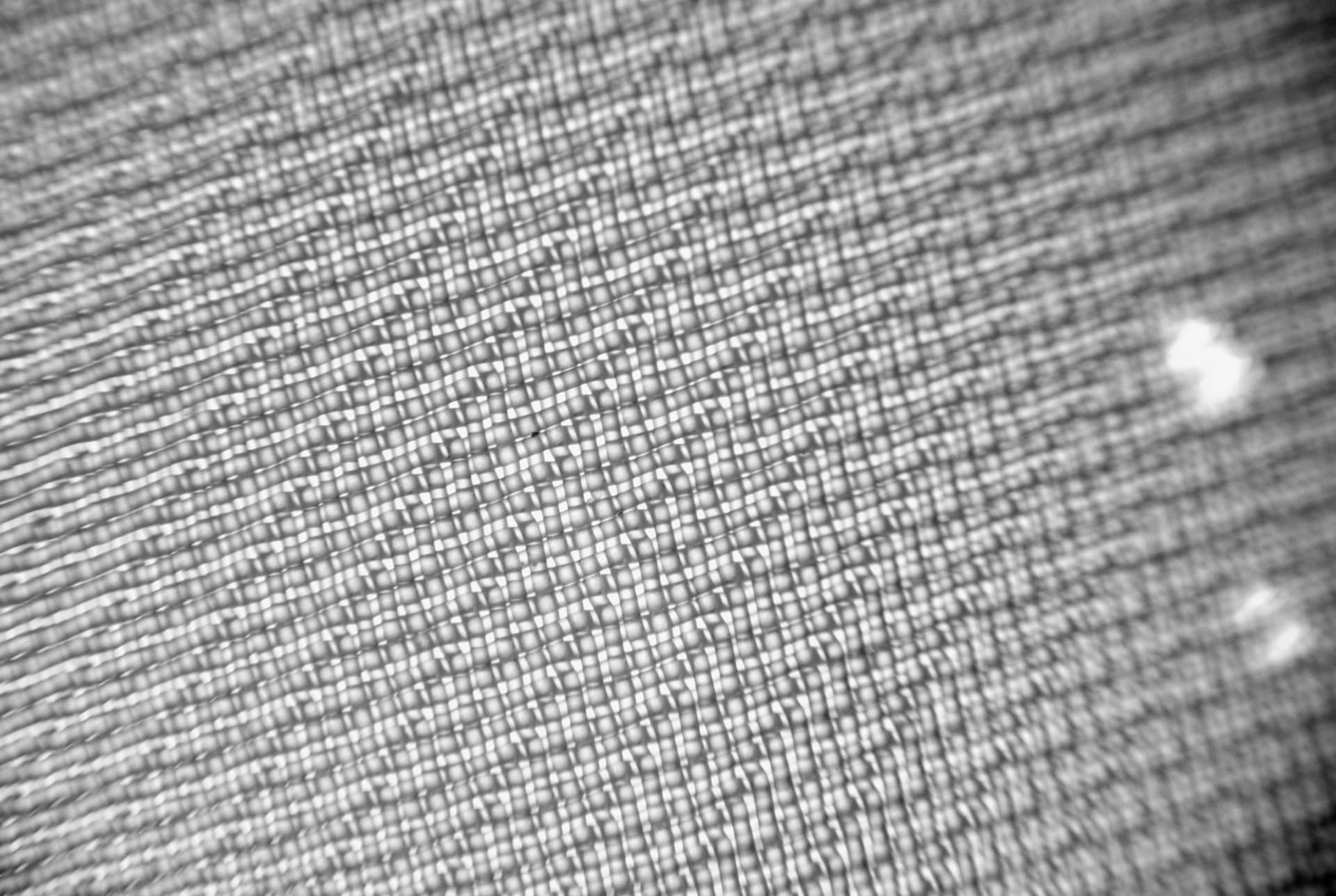
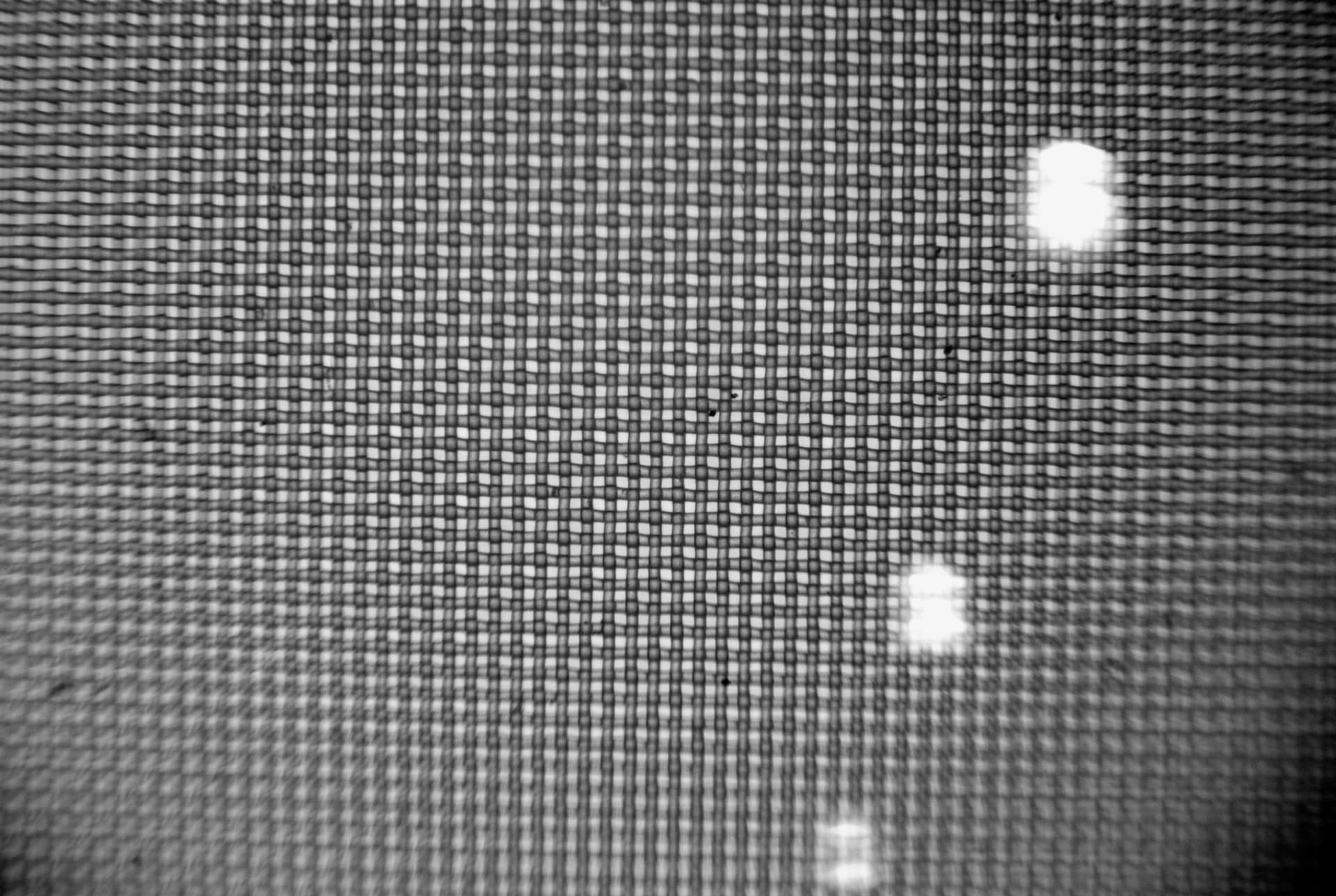
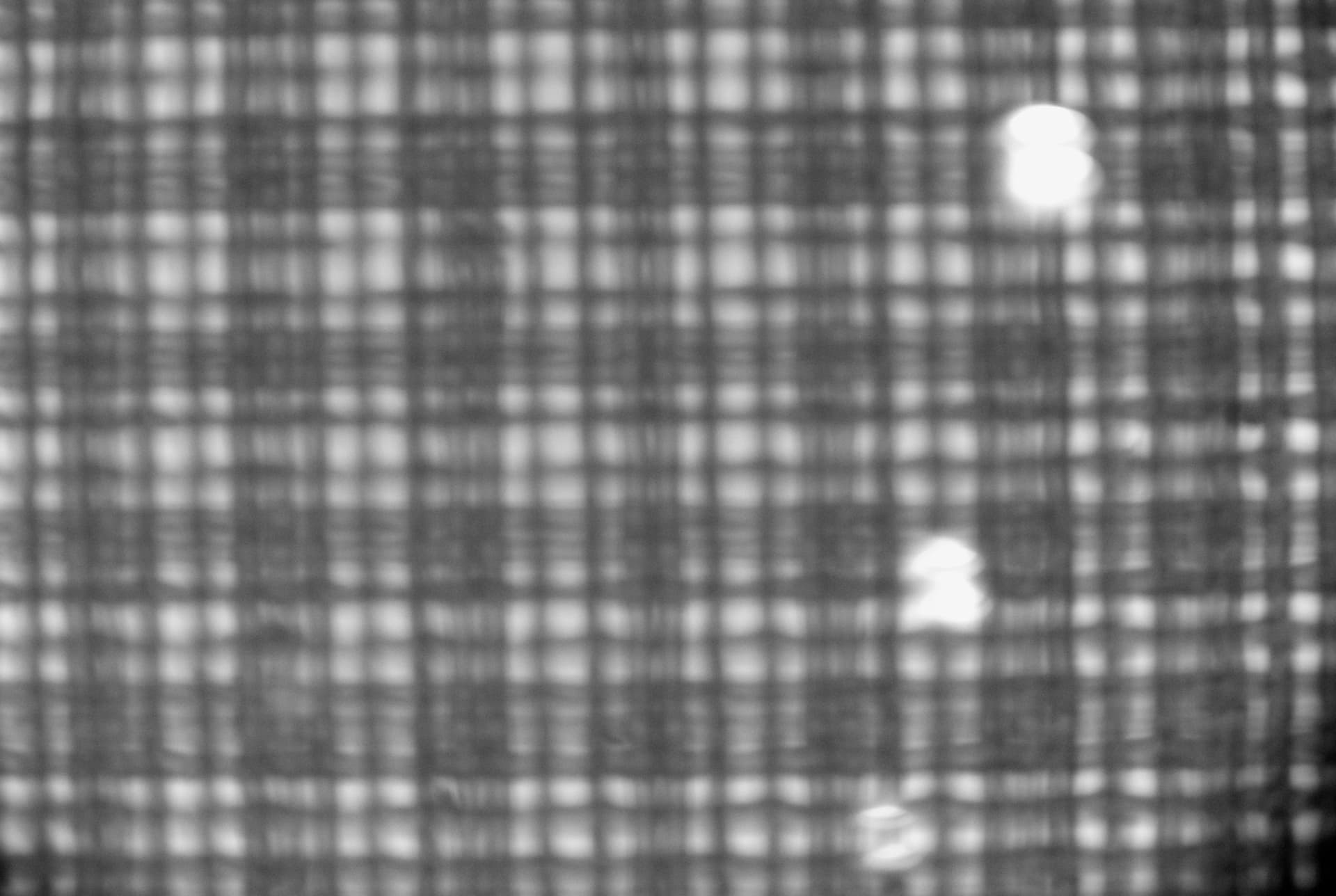
The same parchment paper and press filtration bags (PurePacks) everyone trusted and loved are still available through Solventless Select. Our products do not come from China. The parchment and filter bags are manufactured here in the USA under strict cleanliness in order to ensure your extracts remain contamination free. The fabric used in PurePacks comes from our trusted friends in Italy and is guaranteed to have medical-grade micron consistency. The filter bags are doubled (25μm inner bag and a 120μm outer bag) and without sewing stitches, they are connected using ultrasound. Bags from China have horrible micron consistency and are more prone to blowouts due to their inferior stitching and materials. I know this with certainty because I was the one who evaluated this sort of thing at Agrify/PurePressure. I’ll try to upload some microscopic pictures of China’s filtration bags vs PurePacks so that you can all see the difference.
Subscriptions for parchment paper and PurePacks are available at a discounted price as well. Don’t forget to use the coupon code above for 10% off parchment orders until January 31!
Thank you and let me know if you have questions! More information is available on our website. I appreciate your interest in us!
There shouldn’t be anything leaching from the parchment during our cannabis centric processes. If there was a known problem with silicone coated parchment, the FDA would not have approved it as food safe. For more information on how this sort of parchment paper is created, visit Behind the Scenes: The Chemistry Behind Silicone-Coated Baking Paper - Baking Paper& Parchment Paper Manufacturer . “At the molecular level, the silicone used in baking paper is typically made from polydimethylsiloxane (PDMS)—a highly stable, food-safe polymer. During the manufacturing process, PDMS is cross-linked using heat and a catalyst (such as platinum or peroxide) to form a durable, flexible, and inert layer bonded to the paper.” That process is what prevents the coating from coming off the paper and into your product.
That link should pull up the research paper showing the problems that occur when heating silicone at high temps for an extended amount of time. They conclude that everything remains inert (safe to use, no leaching, no contamination) up to temps of 100C (212F). Above 150C (302F) is when the problems start to occur.
During a bubble hash press, temps are normally around 160 to 180F (71 to 82C). I think it would be unusual to be pressing anything at temps over 200F but according to that paper, we have nothing to worry about until about 300F. There is also a huge difference in heat exposure time. Those researchers are heating the silicone products for hours and our pressing takes about 2 minutes.
Would you happen to know of any other research into this subject? I’d be interested in reading it. We definitely want to be ahead of problems such as this, but I believe we are currently safe. I hope I have eased your concern!
Thanks for linking me to your post and info. I spent some time last week going over the multiple links and papers.
Keep the following in mind when reading those journals and articles covering this subject. There are many different types of silicone (siloxanes) and they all behave differently. When we are talking about silicone on parchment, we are only referring to PDMS (polydimethylsiloxane or dimethyl polysiloxane or E900). The other compounds, such as decamethylcyclopentasiloxane (D5), octamethylcyclotetrasiloxane (D4), etc., are all part of a different discussion and should not be present on parchment paper that is made correctly. But yes, those other siloxanes are nasty.
This is the best example I can think of. Remember those silicone storage devices (pucks) for concentrates? Those are no longer used because the contamination that was occurring was very obvious. Visible changes to the product were occurring when left on the self in silicone. Now everyone is using glass. Those pucks contained different and bad siloxanes.
The parchment paper contains only the PDMS and it is bonded to the paper. If there was a problem, it would have likely shown up by now. We would be seeing physical changes to the product, like what we saw happening with the pucks. I have never heard of customer complaints or problems concerning our parchment and it has been used in our industry for many years now.
What we need is someone to show that this is an actual problem. Take some rosin in to be tested for siloxanes and their by-products. Show that the contamination is present and the entire industry will change again, just like with the pucks. Right now, it’s just hearsay. There is no evidence (that I’ve seen) that suggests parchment paper is dangerous for us to use in our freeze dryers and presses.
you would have to test and look for it. Why are you just shrugging it off as a problem for someone else while saying it’s non-leaching without any evidence?
Parchment 100% leaches PDMS into baked goods, rosin also requires not just heat, but extra pressure
Siloxanes and their by products can absolutely be tested using mass spectrometry, gas chromatography and often both (GC-MS). There are columns that will work for this, that’s how these studies are being done.
This entire situation can be put to rest with a few simple tests. That’s all I’m saying, the problem is easily identified. I could show you clean rosin samples before and after parchment use but it won’t solve anything. You still won’t believe me. Tests are easily manipulated and I’m obviously on one side of this argument. I am not a neutral party.
Show the industry that this problem is occurring with rosin and the industry will change. It is that simple.
Meanwhile, I found those pictures comparing PurePacks to a competitor’s rosin bags. They should be attached!
Below is a competitor’s rosin bag, single layer, 25um. You can see the inconsistency.
I’m also including a close up on the PurePack, double layer, 25um and 120um. You can see the two layers in this picture, larger squares up front are the 120um and the smaller squares are the 25um.
I think the FDA saying that this is good to use is all the evidence I need. That’s how this sort of thing gets approved, lots of evidence showing the government that parchment is safe. So yes, I am shrugging your concerns off as complete speculation until I see some research that shows otherwise. The FDA will do the same.
Again, the first paper I linked shows the problem you are referring to and is specifically looking at PDMS (the only siloxane present on parchment). It clearly shows we are safe at temps below 300F and it also clearly shows that an extended amount of time above 300F is required to produce toxins. Why are you shrugging that off? If pressure is a concern, show us the research.
You are making extraordinary claims without evidence.