Ok got u, so everyone in the industry that is experiencing the “medusa” issue is having that same thing? I’d love to see more people posting pics of this, or perhaps if I missed it we can link me to these pics. It seems to me that the Medusa issue when reported is falling under the chalk, fast crash umbrella as well as the stones that turn to chalk. Let’s get this clarified fam
1 Like
I don’t have pics of the crystallization rn (not at the lab) but I did a few live resin runs with n-butane from GasLogix. My jars had crystallized the next day and when I cracked and opened them completely and let them sit, about 20 seconds later they’d rupture. Although, I haven’t had any isobutane residual (ND) when I’ve had 1000ppm butane show up on a couple dry cure batches.
Edit: and I haven’t seen chalk like that ever, my stuff is just crashing really fast into small cloudy sugar granules but not chalk bricks like that.
1 Like
Have you experienced medusa gas
- Yes
- No
0 voters
Have you had clear stones turn to chalk after being removed from MotherLiquor
- Yes
- No
0 voters
Have you had fast crashing solutions that are under saturated (solvent rich)
- Yes
- No
0 voters
Have you had solutions crashing out chalk (No stones)
- Yes
- No
0 voters
See like here for instance @TRIPPIE he is seeing a fast crash no chalk diamonds. @terplord420 crystallise in a cool room, below 68 and you will get big bar facets that turn to chalk 
1 Like
The hard thing is what you call chalk on the last question should just be micro facets of thca but you need to examine the structure of the sugar as it is different between different types of rapid precipitation.
2 Likes
Have you ever checked this out before;
https://en.crystalls.info/Welcome
Site that shows you crystals of different compounds
2 Likes
Funny you say that, I was under the impression a lower temp would slow down the process but it did not. I left these jars in the lab outside the oven and that room stays about 65 - 68f since the airflow is constant. Conventional thought has not been working for me lately xD I do still get facets with my regular 90f temp cycle, but more often than not I’ve been getting fast crash no matter what temp, no matter what pour-off consistency, ie. more solvent/less solvent.
Though what I’ve observed is the extremely terpy batches will precipitate facets but, obviously, solution lacking in terps and high in THCa will crash out almost immediately. That’s why I’m surprised this live run crashed out so fast. The last time I did live runs was in Colorado before CRC was a thing, about 4 years ago, and I never really had this problem.
Also looks like I do have pics
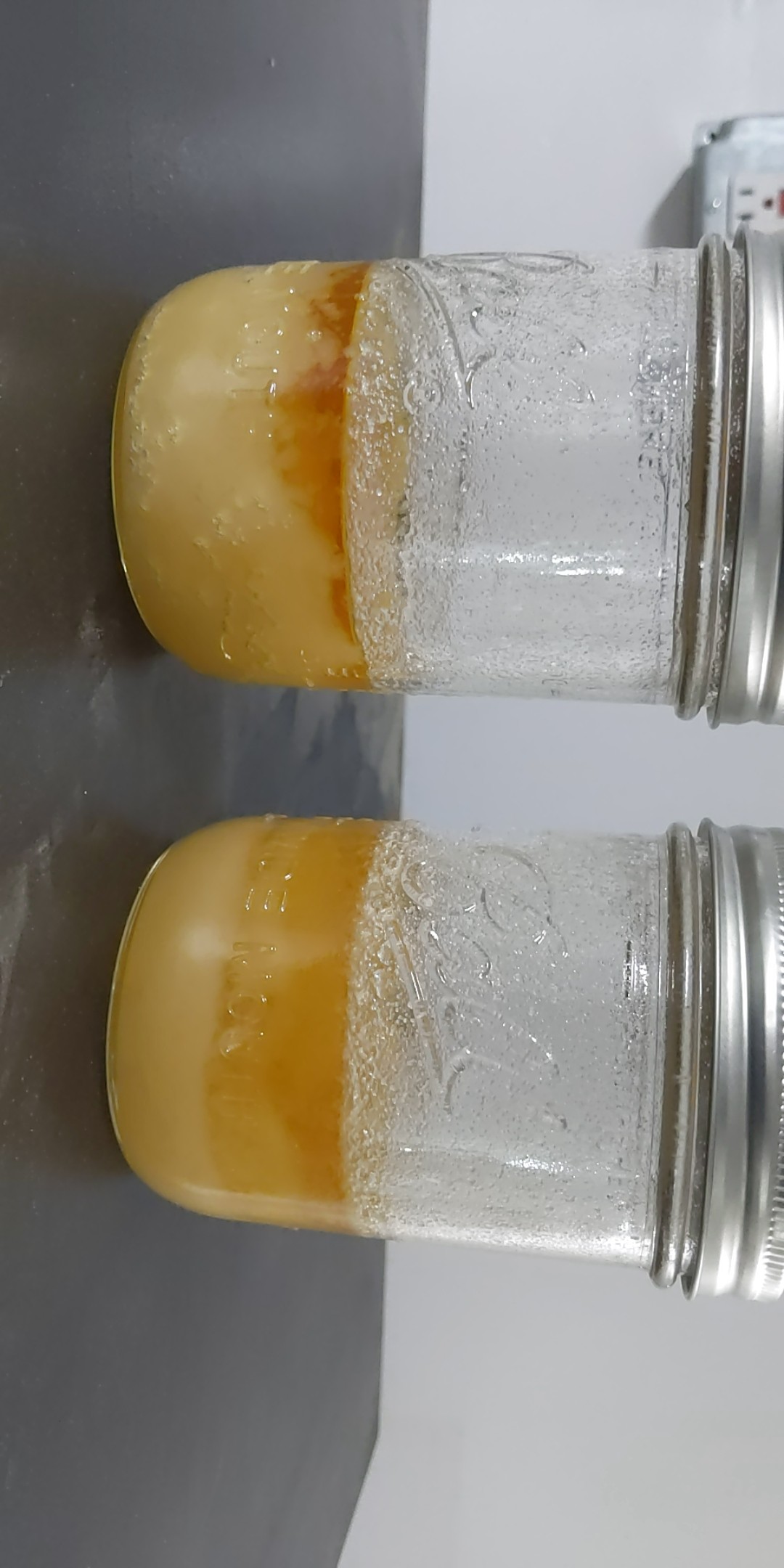
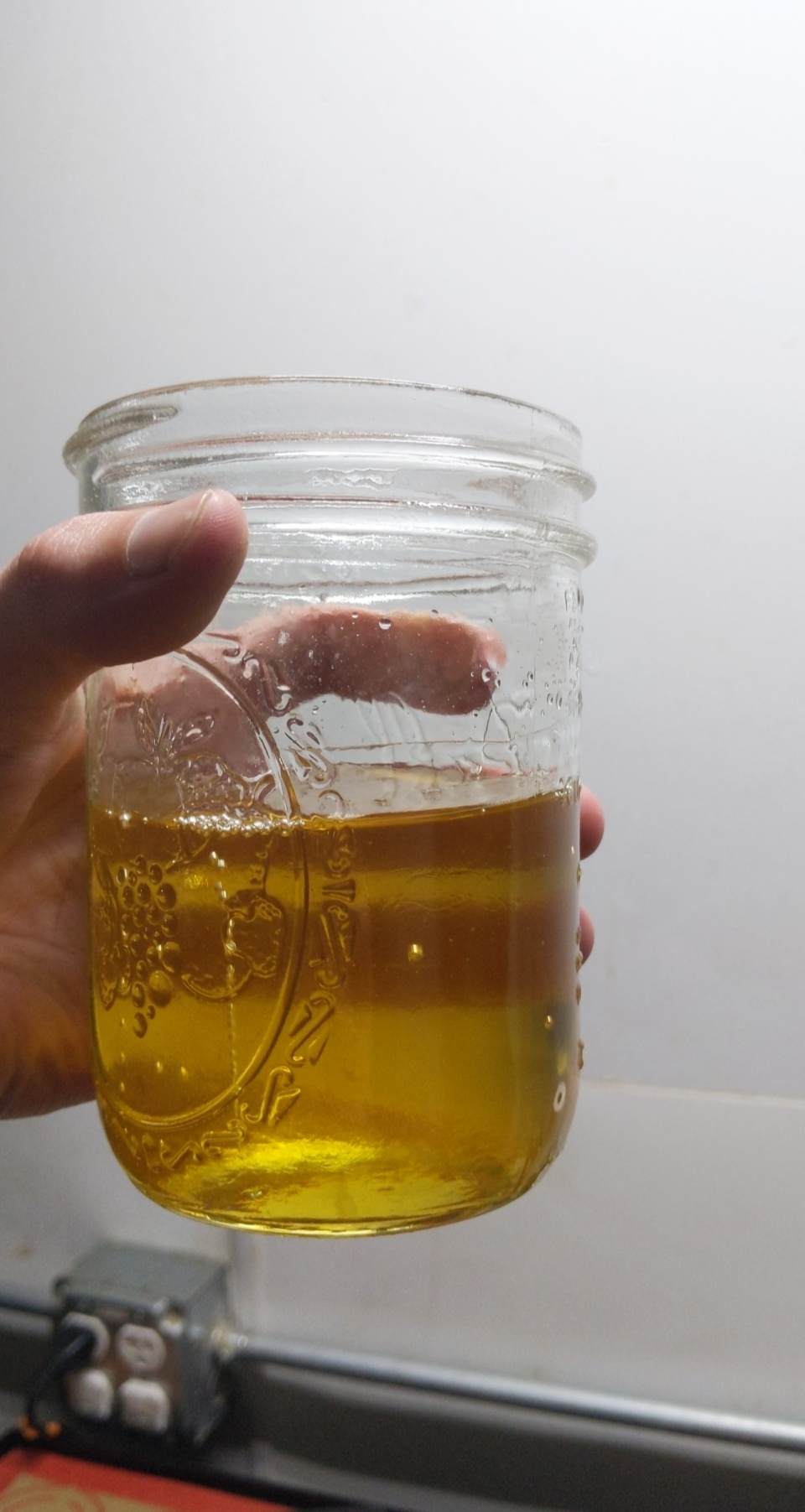
I consolidated the goo into two jars rather than one, there was more goo to be had. But second pic is right after pour off from CLS, 1st pic is next day after sitting at 65f.
Also want to note I filter and distill my gas thru carbon and zeolite. I have yet to try AA + X13. I was originally doing the carbon to combat benzene, and it’s worked. Seems it isn’t working for the fast crash.
Also also, just hyping myself up but I’m definitely not some no-brain dope with no job trying to make diamonds n failing, I have a recorded history of making nice diamonds just take a look at my profile and try to find my top posts. I may not be a J12 but I know what I’m doing. Anyway, point is, this issue is still abnormal, chalk or not. Fast crash issue is bothering me, I just want stones again.
LAST EDIT: Just looked at the COAs I mentioned had residual butane and it looks like Capital Analysis has n- and iso in the same category listed simply as; Butanes example:
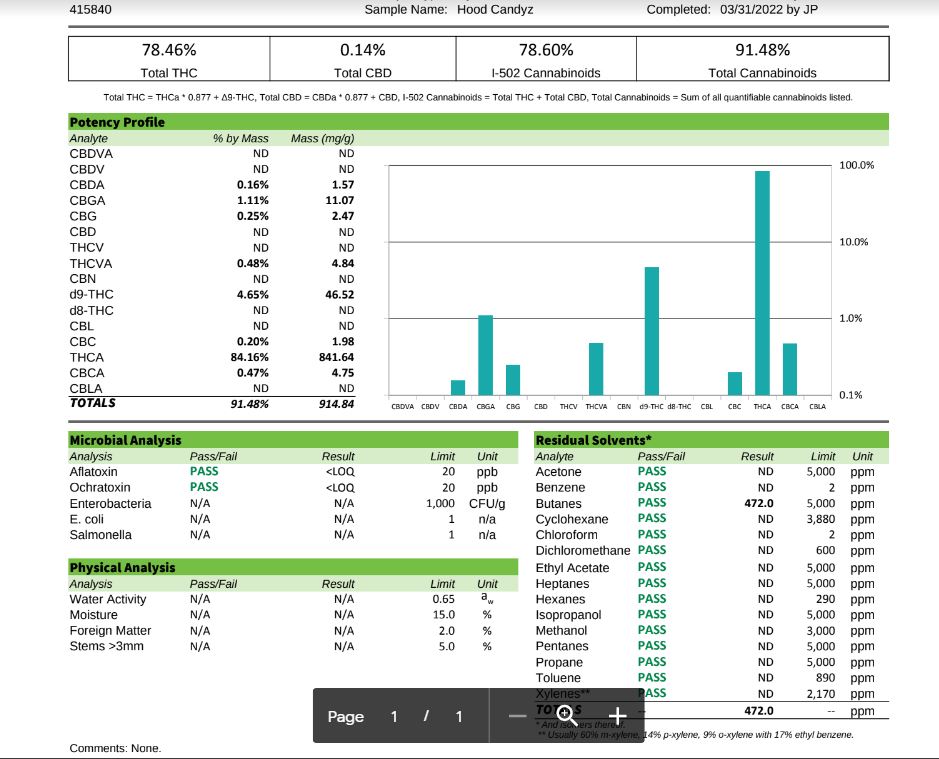
So unfortunately, it doesn’t look like i’ll know if there was iso in those batches.
1 Like
Isoprene I have heard is issue. Apparently no refiners except maybe a handful actually remove this during refinement…
1 Like
Out of all the probable standards they could use it doesn’t appear that there is a specific way of testing for residual NH3 considered. Still doing considerable homework on this one…
I’ve looked at;
IS0-6251
ASTM-D6667 ← Diversified uses this
ASTM D2163
ASTM D2384
ASTM-D2158 ← interest
ASTM-D2420
ASTM-D4984
ASTM-D5305
ASTM-D5504
ASTM-D7493
ASTM-D7756 ← best?
ASTM-D7828
ASTM-D7994
ASTM-D7756
ASTM D7756__13.pdf (360.7 KB)
ASTM D2163__14e1.pdf (441.8 KB)
ASTM D6667__ 10.pdf (165.2 KB)
ASTM D2420__13.pdf (117.6 KB)
ASTM D-2158.pdf (63.3 KB)
4 Likes
Fairly new here and I don’t post at all but I have been doing alot research with dyes lately and I can’t help but feel like some of this is tied into polymorphism. Different solvents can form different crystalline structures that still test the same. Isn’t that exactly what we are seeing? I can’t explain the fast crash (maybe a mixture of 2 polymorphs), but have the “bars/chalk” ever been looked at with Xray diffraction? We use petroleum based solvents for THCa, which is known to cause one polymorph of something like DMT (vs. Something like an AN solution for another polymorph). I’m a nobody and this sounds dumb but I can’t help but feel like the deems are trying to give this info to me to give to smarter people…tell me I’m wrong please so I can stop researching it  .
.
6 Likes
The different crystal structure (bar shaped) is absolutely consistent with “something new in the solvent” and is the major piece of evidence actually pointing in that direction.
So no, you’re not thinking about it wrong…
The salient question at this point is probably still WTF is said contaminant?
Water washes, activated alumina, 13X sieves seem to remove the contamination. So any guesses at WTF that WTF might be, should be consistent with those remediation techniques.
not sure isoprene is sufficiently water soluble to fits those criterion , but given that it’s is the primary building block for most plant metabolites, I’m going to take a wild guess that it’s “soluble enough”.
7 Likes
13x seems to do nothing. I don’t know how people are using it ratio wise but I have seen it do nothing. But have not tried any AA.
2 Likes
13x as a liquid and AA then a .1 um filter between solvent tank from gas company and my distillation pot been helping a lot
10 Likes
What .1um filter do you have? Where to source? @Dukejohnson
2 Likes
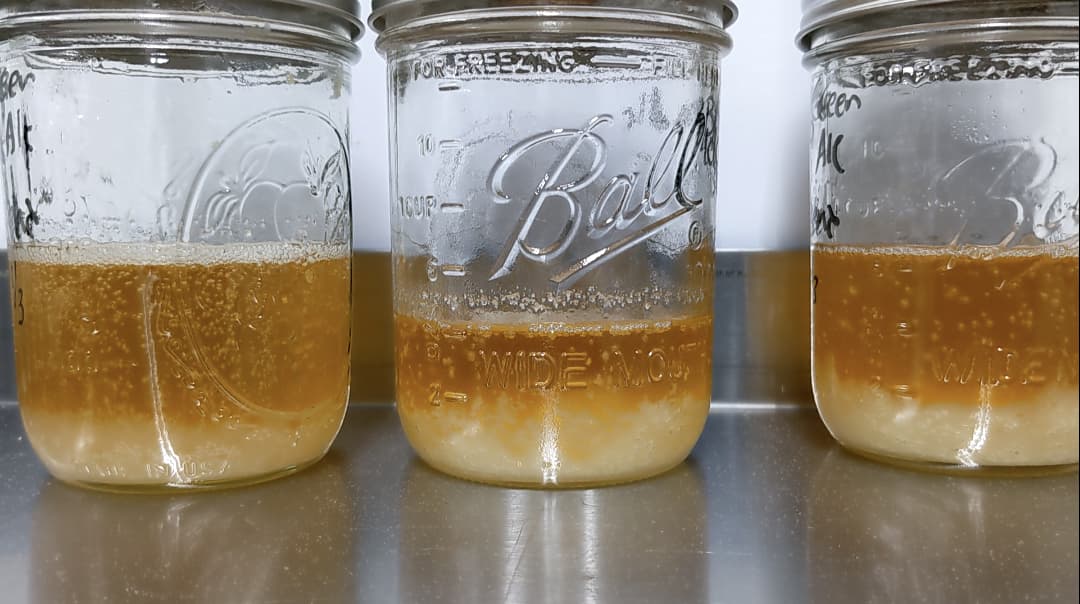
Looks like the jars in my post!
3 Likes
has anyone tested for any haloalkanes? I was talking to a friend who works at a refinery, they said they get butane contaminated with chlorine from time to time
Isopropyl chloride and n-Propyl chloride are interesting, 2-chlorobutane as well
9 Likes
There is a local gas company here in Oregon who is claiming that is the issue and their gas is free of them and has the coas to prove it’s the cleanest in Oregon at least. I’ll be calling them in the morning. 
13x liquid source? Or I guess how much 13x per pound? If I use like 100#s of gas a day?
1 Like
Liquid butane ran over x13 molecular sieve beads @Mastercoolkeif
1 Like