That is more or less the process that I already take it through. its definitely the way to go as far as throughput.
1 Like
I run through my apeks co2 for terps and then take it through my delta cup for canabinoid pulls
1 Like
That’s a super good option too. Nicely done homie!
2 Likes
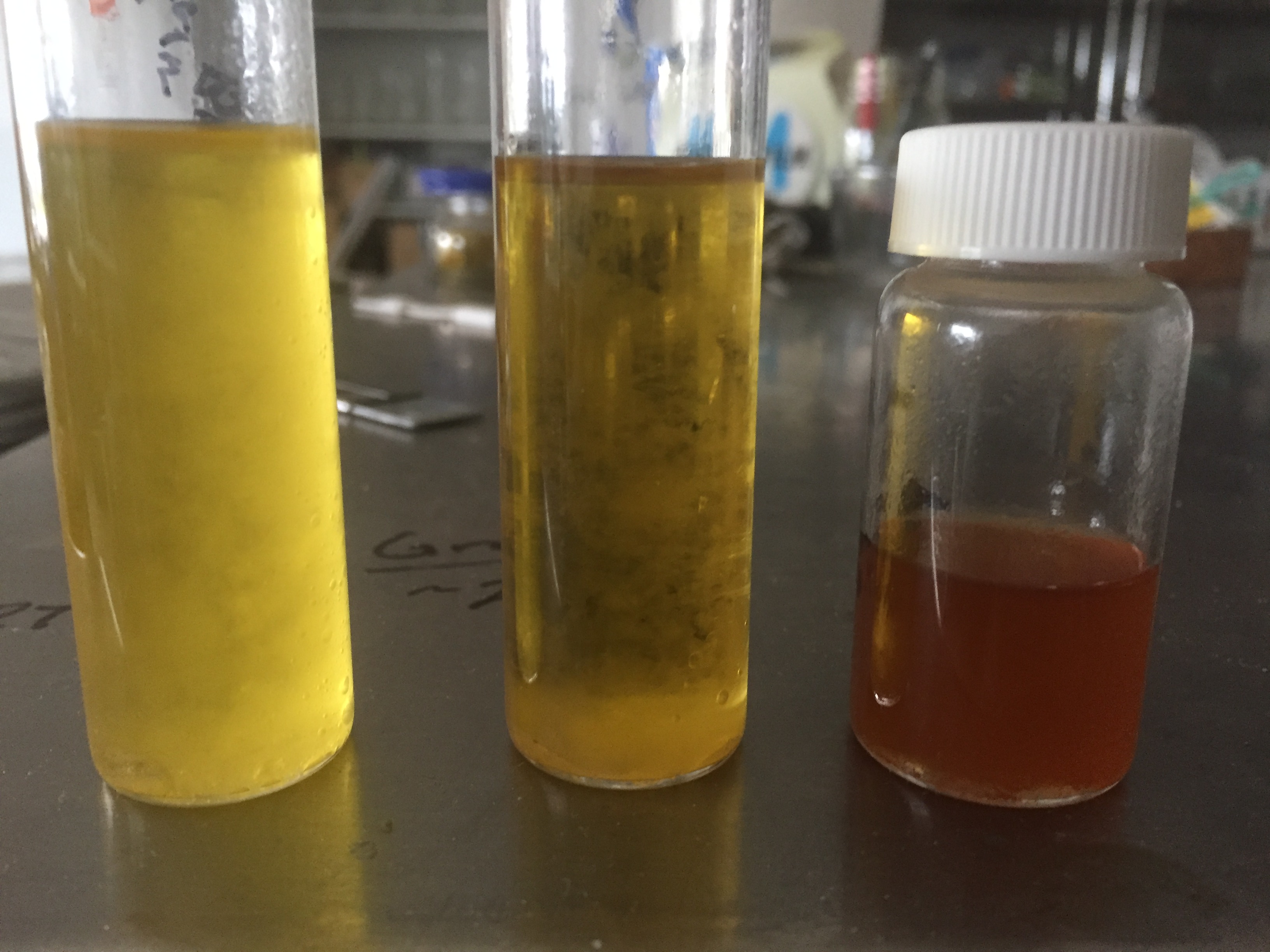

looks like you could spin those to get em cleaner.
6 Likes
I bet those are some dankness. Good job homie 
2 Likes
Yup! I do that. Also a quick overnight freeze doesn’t hurt either. Sometimes a drop of water or 2 will come through depending on how moist the weed is. But a quick deep freeze and pour off does a pretty good job at removing those small amounts of water soluble shit that is too little in volume to get a clean separation from a regular separation funnel.
4 Likes
Yeah this is what I’ve always suggested too. Just a basic freeze/pour. Running it through a couple paper filters seems to help hold the ice back just enough. If there’s still a cloudy tint to it just repeat the process the next rather than messing with them more than necessary.
4 Likes
So I finally went ahead with my terpene extraction trial, but ran into an unexpected issue. Almost nothing but dry ice was coming out of the separators. Has anyone else experienced this?
1 Like
What were your parameters?
Tried extracting at both 80 bar and 90 bar, 40C. Separators at 45 bar 25C.
I would increase your separator temp to 45C and try again with the 80 bar, 40C.
I see a lot of run times in here that are wayyyy longer than what I run. I’ve done a lot of tests to figure out where my sweet spot is so I’m not wasting cannabinoid time trying to strip terps. basing some of the methodology i’ve developed on Sovova and/or shrinking core kinetic models, which I’m just gonna go over real quick not because I don’t think the people in this thread are familiar but for people who might come here to learn at some point. Sovova is based on broken/intact cells, and describes extraction as occurring in distinct phases that can mathematically determined. the first phase is the fastest and involves dissolution of easily accessible target compounds from the extraction matrix into the solvent stream, which from my tests seems to represent the vast majority of commercially desirable aroma compounds we’re pulling out. the next phase starts to get into things that shrinking core does a better, or at least more accurate job of describing, where mass transfer is a two, or maybe 1.5 step process. Solvent moves target compound out of extraction matrix particle, then target compound is dissolved solvent.
My conclusion is that continuing to run extraction vessel/separator parameters optimal for “terpenes” beyond the first phase of the sovova model is a huge waste of time. If you’re not retrieving the vast majority of your light fraction in a relatively short period of time your material grind is insufficiently fine.
I’m curious if any of the other folks in this thread would be interested in sharing their typical light fraction yields, both per minute of extraction time and per g/kg of input biomass, as well as their actual or calculated solvent flowrate over the extraction time, and their average light fraction yield relative to their total extract yield. I understand this is all very input material dependent.
My parameters/results are generally:
4500g (10L total capacity)
90-150g (material dependent) light fraction yield (2%-3.3% of feed mass) in 20 minutes at about .32kg/min or 20kg/hr flowrate.
Overall extract yield is usually in the 10%-18% range. Input material is trim/sugar/larf from indoor material.
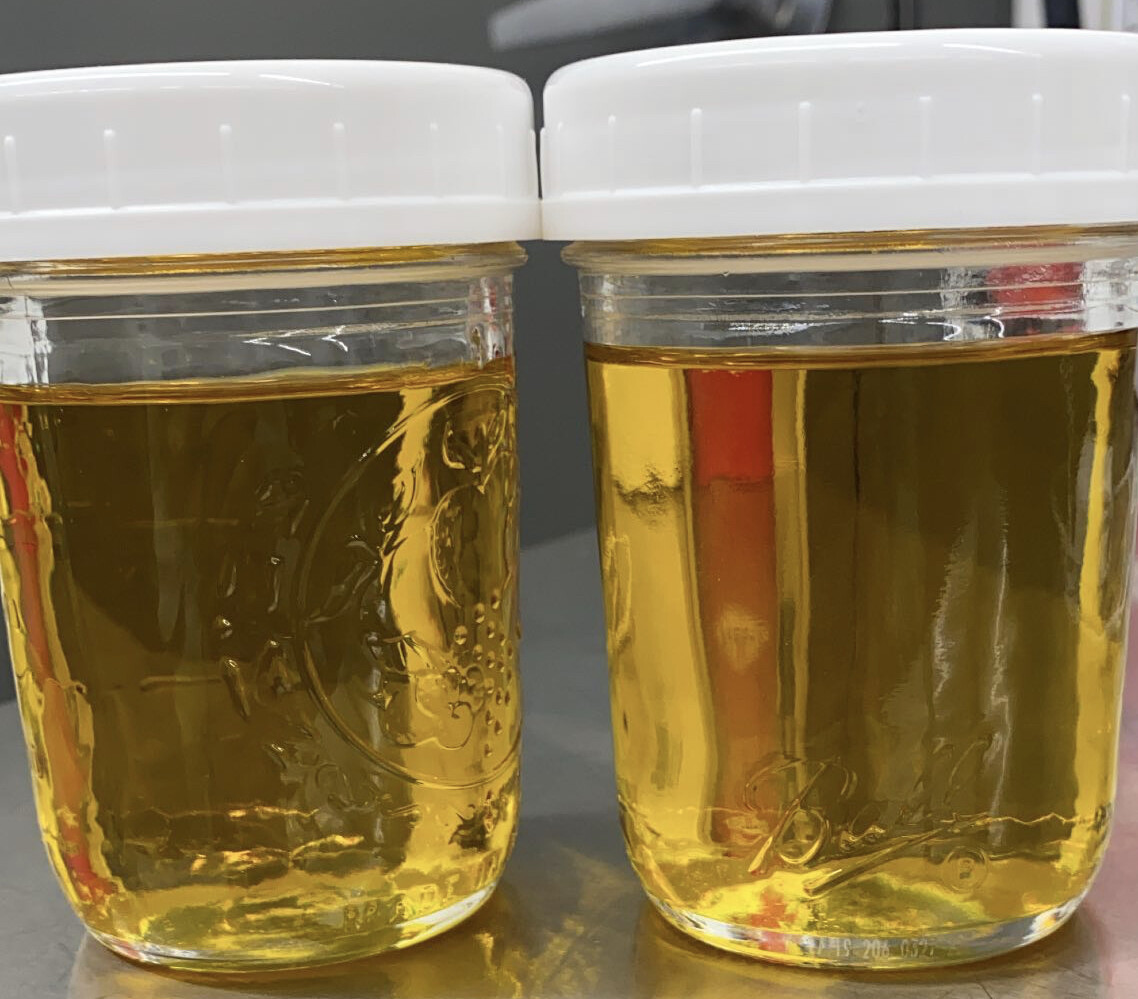
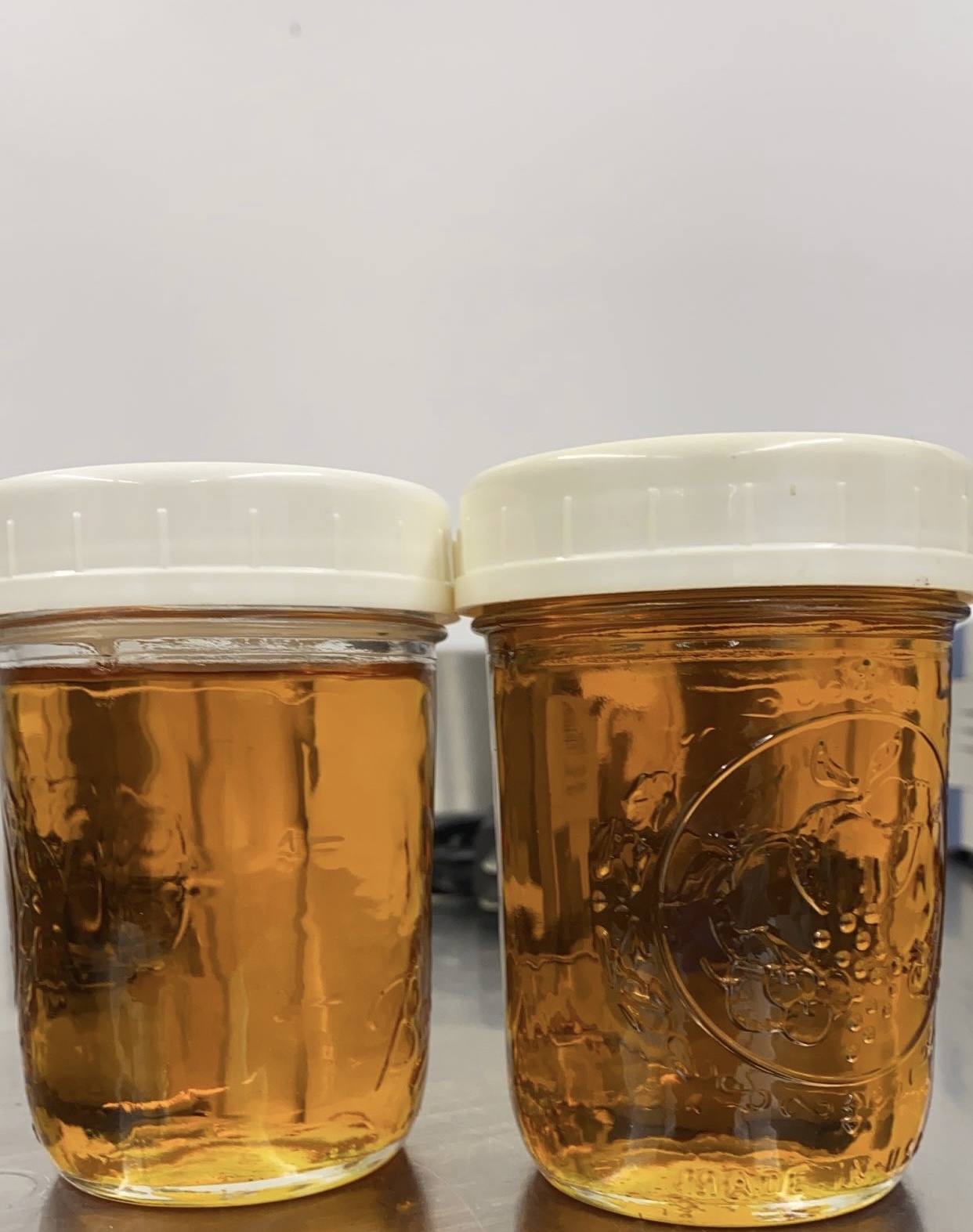
5 Likes
Why raw “yield” rather than % of available target (extraction efficiency)?
One varies depending what you put in the tube, the other no where near as much.
10kg in at 18% cannabinoids, 1.8kg out at 75% cannabinoids.
You could call that 18% yield and say you done good, or you could call it 75% extraction efficiency and try harder next time
10kg in at 10% cannabinoids, boss man compares the 1.2kg yield to your last run and asks what you did wrong.
You point out that at the same 75% potency crude you actually got 90% extraction efficiency; so his the question should be “what did you do right”.
5 Likes
Because I know the bulk of people working with CO2 are the end of the human centipede and are typically getting trim or larf that their companies don’t see value in testing for potency prior to extraction, so I’m looking for values that the typical person could provide, so I can gather a larger sample of data.
2 Likes
What is the typical terpene concentration (mg/g or %) of the CO2 extracted cannabis terpenes that people are using to mix with THC oil or distillate? @406_Chemabis @Padgett and everyone else really appreciate all the info you have provided in this thread!
Going into carts, we would do 5 - 10% by weight of the oil/disty. I’m sure there are individuals and groups though that are much more generous with that going as high as 15%. It’ really all about what you want your final product specs to ideally look like.
An example of a super terpy blend:
15% by weight of 100g disty is 15g (of co2 terps).
Lets say the disty is 850mg/g THC,
Add your 15g co2 terps, now your disty/terp potency is 739mg/g THC, 130mg/g co2 Terp.
On the other hand, here is a less terpy blend:
5% by weight of the 100g disty is 5g.
Using the same theoretical potency 850mg/g THC disty,
Add your 5g co2 terps, now your concoction is 809mg/g THC, 47mg/g co2 Terp.
Some flavors you can get away with the 15% by weight while others make it too harsh at least for a vape cart in my opinion.
2 Likes
Sorry, what I meant to ask was about the terpene concentration of what you are collecting from the extractor and filtering with the sep funnel. Are you able to achieve >90% terpene concentration from your CO2 extraction? Or is 50-60% more realistic and still able to be used for vape flavoring?
2 Likes
I see, yes, 50 - 60% is usually the terpene concentration I get while the rest is hydrosol. This is using a 10L IES.
1 Like
Interesting, thanks! Just to be clear, this is after you have separated the terpenes from the hydrosol layer using a sep funnel and the resulting terpene layer is 50-60% terpenes? Any idea what makes up the other 40-50% of this terpene layer?
1 Like