Don’t waste your fingers dude. KotKs whole schtick is “”“appearing”“” knowledgeable to folks who don’t know any better and engaging with him only facilitates that image that he’s somehow on the same level as many of the smart folks around here.
Besides if he gets in too deep of an intellectual hole, I’m sure he’s got some screenshots of DMs and Texts he can dig up to make his point.
Melatonin (just like cbd) isnt considered a drug or food additive (once it becomes a food additive you’ll need gmp and can have FDA regulation)
It also doesn’t have anything that could be potentially dangerous in it
Because supplements aren’t considered drugs, they aren’t put through the same strict safety and effectiveness requirements that drugs are. So all the drugs you can buy, even without a prescription, must be proven safe and effective – but dietary supplements do not.
In general, the FDA considers new drugs to be unsafe until they are proven safe through clinical trials. And the FDA must approve any new drug before it can be legally sold in the US. Clinical trials are studies done under well-controlled conditions on human volunteers. These tests must be done on all drugs – even those that are sold over the counter (without a prescription). The FDA approval process requires that the drug be proven in a series of clinical trials. These studies must show “substantial evidence” that the drug is both safe and effective for each of its intended uses. This is why we can’t make claims to cbds effectiveness towards ailments.
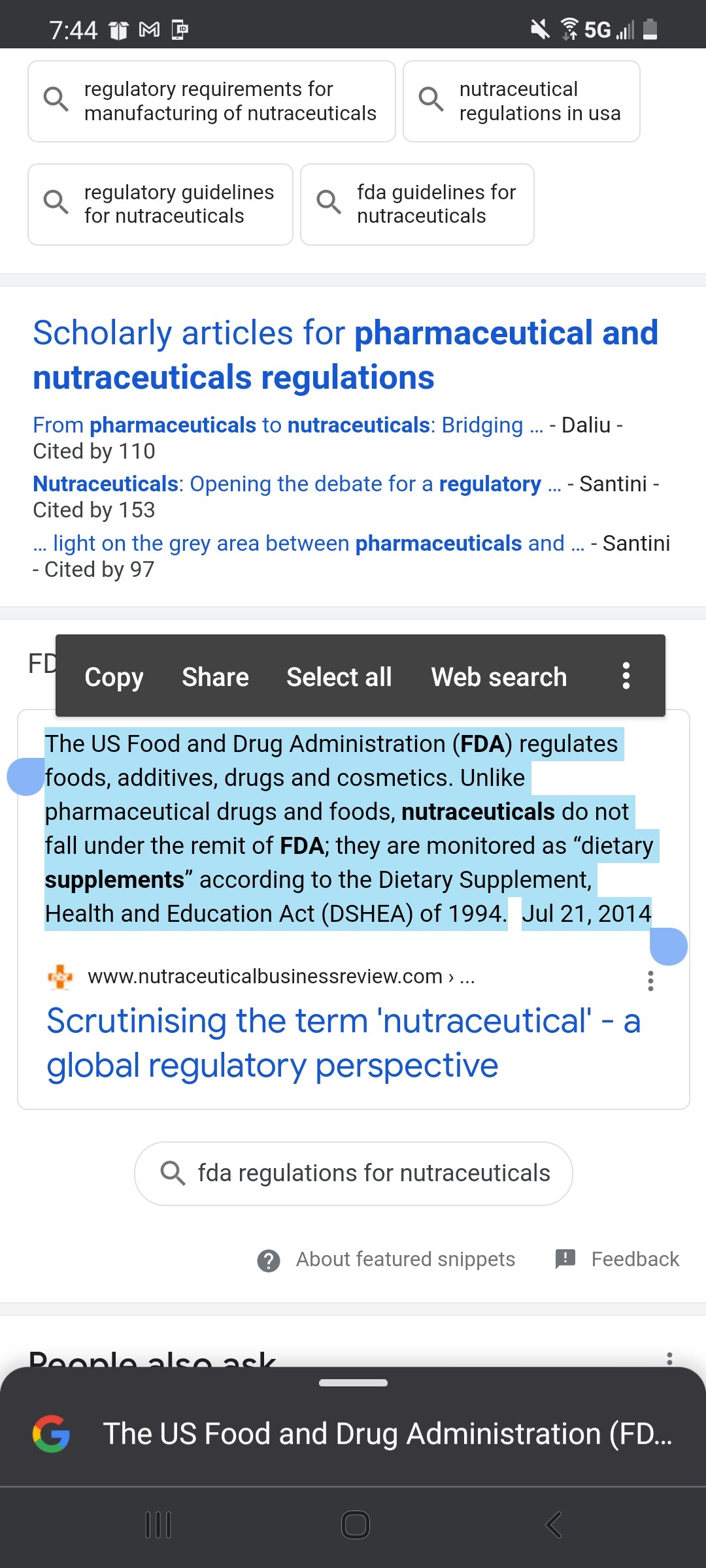
In 1994, the Dietary Supplement Health and Education Act (DSHEA) defined dietary supplements as a category of food, which put them under different regulations than drugs. They are considered safe until proven otherwise. The DSHEA says that dietary supplements cannot contain anything that may have “a significant or unreasonable risk of illness or injury” when the supplement is used as directed on the label, or with normal use if there are no directions on the label.
A dietary supplement is considered “new” if it contains an ingredient not recognized as a food substance, unless it was sold as a supplement before October 1994. If it is new, the manufacturer must provide the FDA with reasonable evidence that the new ingredient is safe before the supplement is marketed to the public.
But manufacturers are not required to test new ingredients or supplements in clinical trials, which would help find risks and potential interactions with drugs or other substances. The DSHEA gives the FDA permission to stop a company from making a dietary supplement, but only when the FDA proves that the product poses a significant risk to the health of Americans. This means they are found unsafe only after they cause harm. This is the reverse of the way prescription and non-prescription drugs are handled.
Dietary supplements are usually self-prescribed, so there’s no controlled system for reporting bad reactions and side effects. Doctors and patients can report problems, but are not required to do so. If a supplement has unknown side effects or interactions with other drugs, foods, or supplements, they are not likely to be discovered as quickly as those of new drugs on the market.
Cbd and any hemp derived cannabinoid which falls under the definition of hemp is treated as a dietary supplement until put in food which is why we can’t make claims without clinicals.
CBD isn’t even considered a drug and neither is d8 because it’s not scheduled.
It seems like gummies are in this sort of super weird grey area. It’s like, you have to report to the FDA but they don’t technically “regulate” the manufacture of them.
I guess this is why you take these down the road to get a GMP cert?
Who is responsible for the safety of dietary supplements?
FDA is not authorized to review dietary supplement products for safety and effectiveness before they are marketed.
The manufacturers and distributors of dietary supplements are responsible for making sure their products are safe BEFORE they go to market.
If the dietary supplement contains a NEW ingredient, manufacturers must notify FDA about that ingredient prior to marketing. However, the notification will only be reviewed by FDA (not approved) and only for safety, not effectiveness.
Manufacturers are required to produce dietary supplements in a quality manner and ensure that they do not contain contaminants or impurities, and are accurately labeled according to current Good Manufacturing Practice (cGMP) and labeling regulations.
If a serious problem associated with a dietary supplement occurs, manufacturers must report it to FDA as an adverse event. FDA can take dietary supplements off the market if they are found to be unsafe or if the claims on the products are false and misleading.