What are the best temperatures for filling THC distillate?
Struggling with inconsistent vape fills? Incorrect temperatures can ruin your THC distillate and waste money. Getting the heat just right is crucial for quality and efficiency.
The ideal filling temperature for THC distillate typically ranges from 50°C to 70°C (122°F to 158°F). However, the exact temperature depends heavily on the specific viscosity and terpene profile of your distillate. Always test small batches first.
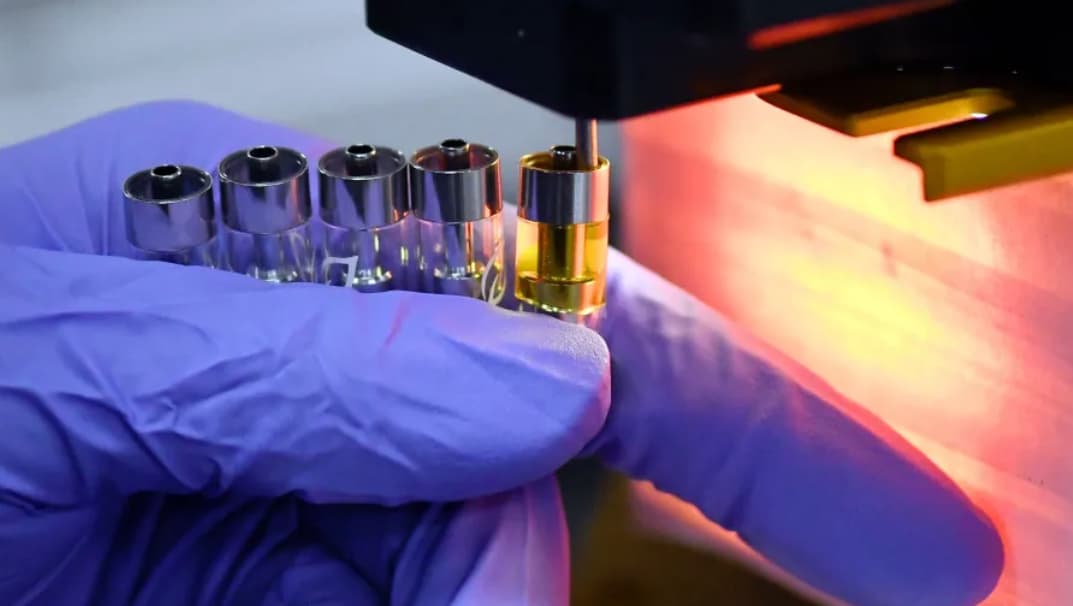
Finding that perfect temperature sweet spot is key. It ensures your oil flows smoothly for efficient filling without damaging the delicate compounds that define your product’s quality. Let’s explore why temperature matters so much and what happens when you get it wrong. We’ll also look at how timing your capping process is just as important.
What could happen if the filling temperature is too low or too high?
Low temperatures make oil thick and slow, while high heat risks leaks and terpene loss. Both extremes cost you time and product quality.
Filling THC distillate too cold makes it highly viscous, slowing down production drastically. Filling it too hot can degrade terpenes, altering flavor and effects, and potentially cause immediate leaking due to low viscosity.
The Problem with Low Temperatures
When the filling temperature is set too low, the THC distillate becomes very thick, almost like cold honey. Its viscosity increases significantly, making it incredibly difficult for the oil to flow properly through the filling machines. This sluggish movement results in extremely slow filling times. Imagine your production line slowing to a crawl – that’s what happens. This inefficiency directly translates to higher labor costs and reduced output. You might need more time, more staff, or even adjustments to your equipment just to get the job done, eating into your profit margins. In my experience, trying to rush thick, cold oil often leads to inconsistent fill levels in cartridges or disposables as well.
The Risks of High Temperatures
Conversely, setting the temperature too high creates a different set of problems. While the oil will flow very easily, perhaps too easily, the heat can be detrimental. Terpenes, the aromatic compounds responsible for the unique scent and flavor profiles of different cannabis strains (and potentially contributing to the entourage effect), are volatile. Excessive heat can degrade or even destroy these delicate terpenes, leading to a final product with a compromised flavor and aroma, which definitely disappoints end-users. Furthermore, very hot oil becomes extremely thin and runny. This low viscosity increases the risk of leaking, sometimes even before you have a chance to cap the mouthpiece. I’ve seen situations where oil practically pours out of the hardware because it was heated too much during filling. This not only wastes valuable distillate but also creates a mess and potential hardware failures.
How soon should I cap the mouthpieces after filling the disposables with THC distillate?
It’s generally recommended to cap mouthpieces within 5 minutes after filling with THC distillate. However, the ideal time varies based on oil viscosity and hardware design. Testing is crucial.
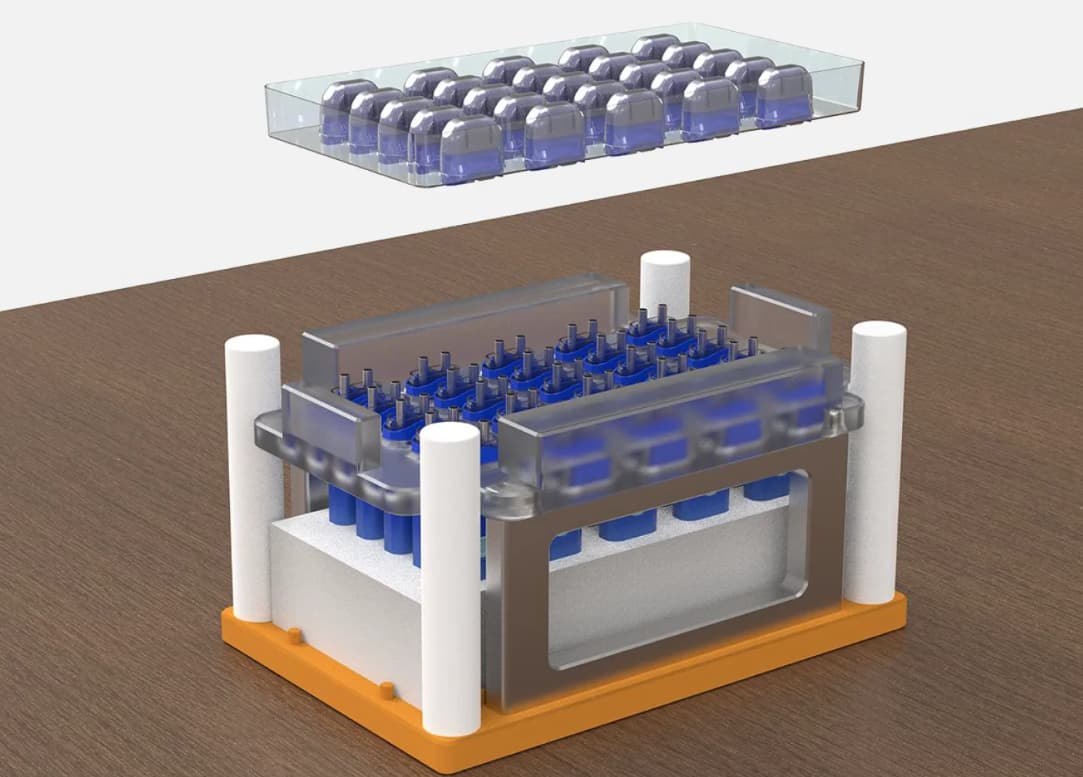
Once the THC distillate is successfully filled into the disposable vape or cartridge reservoir at the correct temperature, the next critical step is capping. The timing of this step is just as important as the filling temperature itself. Sealing the device too early or too late can introduce a new set of problems that affect the final product’s performance and user experience. Finding the right window requires careful consideration and testing specific to your oil formulation and the hardware you are using. Let’s delve into why this timing matters and how to determine the best capping window for your production.
Finding the Capping Sweet Spot
The general industry advice suggests capping within a 5-minute window after filling. This timeframe is often recommended because it allows the oil sufficient time to settle slightly and begin interacting with the coil or wicking material, but not so long that issues arise from prolonged exposure or temperature changes. However, this is just a guideline. Different oil formulations have vastly different viscosities, even at the same temperature. Thicker oils might need a bit more time to fully settle into the nooks and crannies of the heating core, while thinner oils might need quicker capping to prevent potential leaks, especially if the filling temperature was on the higher side.
The Importance of Testing
Because there’s no single “perfect” time that works for every oil and every piece of hardware, testing is absolutely essential before scaling up to mass production. I always advise clients to run trials. For example, take a batch of 100 samples. Fill them all under the same conditions. Then, cap 20 pieces after 3 minutes, another 20 after 4 minutes, 20 after 5 minutes, 20 after 6 minutes, and the final 20 after 7 minutes. Label them clearly and observe their performance over time. Check for leaks immediately after capping and again after 24-48 hours. Also, test them for clogging and initial puff quality . This comparative testing will clearly show you the optimal capping window for your specific combination of oil and hardware, helping you avoid widespread issues in your main production run.
Suggested Experimental Groups and Timeline:
| Group | Sample Size | Capping Time (after filling) | Immediate Action (Post-Capping) | 24-48 Hour Action (Post-Capping) |
|---|---|---|---|---|
| 1 | 20 | 3 minutes | Check for leaks and clogging | Check for leaks,clogging and burnt taste |
| 2 | 20 | 4 minutes | Check for leaks and clogging | Check for leaks,clogging and burnt taste |
| 3 | 20 | 5 minutes | Check for leaks and clogging | Check for leaks,clogging and burnt taste |
| 4 | 20 | 6 minutes | Check for leaks and clogging | Check for leaks,clogging and burnt taste |
| 5 | 20 | 7 minutes | Check for leaks and clogging | Check for leaks,clogging and burnt taste |
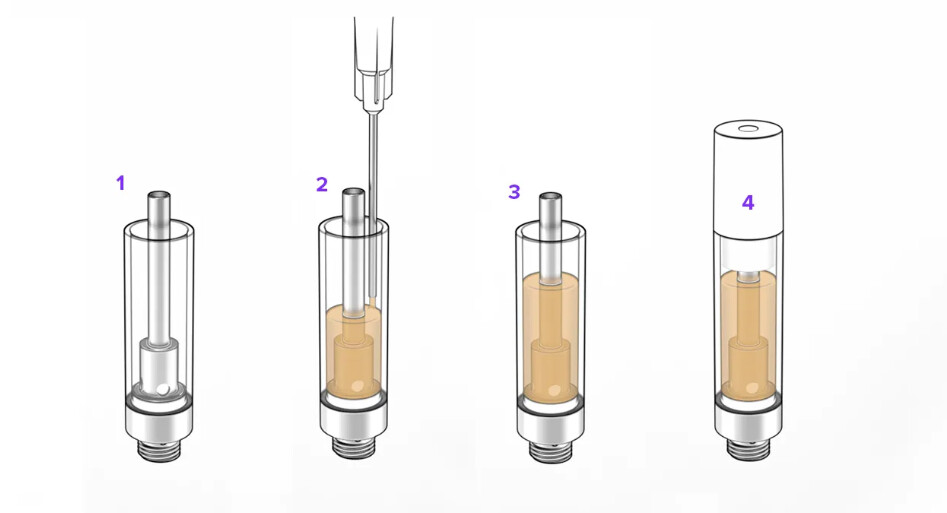
If you face any challenges with filling, capping, packing, or other vape-related issues, feel free to contact us. At Transpring, we have specialized in the cannabis vape industry for 13 years, and our extensive experience ensures we can provide reliable solutions to your needs.