Is that different from keeping the psilly alive?
Btw, can someone explain to me please - what is a solenoid valve? I’ve read that it used to prevent vacuum oil inside pump - to get out (when turned off) inside the distillation setup (from where we vacuum line)
So it’s need to be… Fully closed, if i get it right.
And did i get it right in the first place? What else it’s used for?
1 Like
In this application: electro-magnetic powered valve. It allows you to open and close a valve by adding or removing electrical current- depending on your configuration. Instead of turning a valve, you flip a switch.
In order to prevent oil from getting into glassware, it would need a sensor to detect oil, followed by a controller to automatically close the solenoid when oil is detected.
Someone correct me if I’m wrong: you don’t want a solenoid valve on your short path. They open and close extremely quickly and you’ll want to slowly open valves to prevent oil bumping. They may work as an “emergency vacuum shutoff.”
It would be better use of time and money to learn how to use a properly configured short path from someone with a lot of experience operating one. If you know what you’re doing- you won’t have oil bumping issues.
1 Like
Ya, I think he’s talking about a anti-backflow valve for loss of power/ closes on shutdown of pump.
I have always ran manual ball valves between my pump(rotary vane) and coldtrap. the first thing I do is manually choke off the vac there when I’m going to break vac/shutdown to prevent any backflow.
3 Likes
Probably right. Anti-suck back isolation valve which has a solenoid. They also use solenoids for vacuum control systems. I’d just use basic manual valves and save money unless you have something specific/special planned.
3 Likes
If the purpose of it was to prevent the flow of oil from your pump to your system in the event it power failure, speed won’t hurt. You could configure the solenoid valve as fail-closed (when solenoid is not powered it is closed, when powered it is open). This however will not protect you if the vacuum is manually turned off but the solenoid remains powered - it would only work as designed in a loss of power scenario where both vacuum pump and valve lose power. Alternatively, a check valve will similarly prevent backflow regardless of electricity supply but depending on the design it may also constrict vacuum.
You are right, solenoid will be just open or closed. There’s no rule saying you can’t use multiple valves, with each suiting a particular need. A fail-closed solenoid or check valve to prevent backflow, and a manual throttling valve for the controller introduction of vacuum to a system.
3 Likes
I have a couple brand new lab society par-c kits that came with equipment lots, it has dual sensor and solenoid isolation valve control. I’ve only used one as a vac monitor, not as a controller, but I think it’s a nice monitor.
I’ll do 2.9 out the door.
Hi, is this still available and does it come with an instruction manual for the vacuum controller?
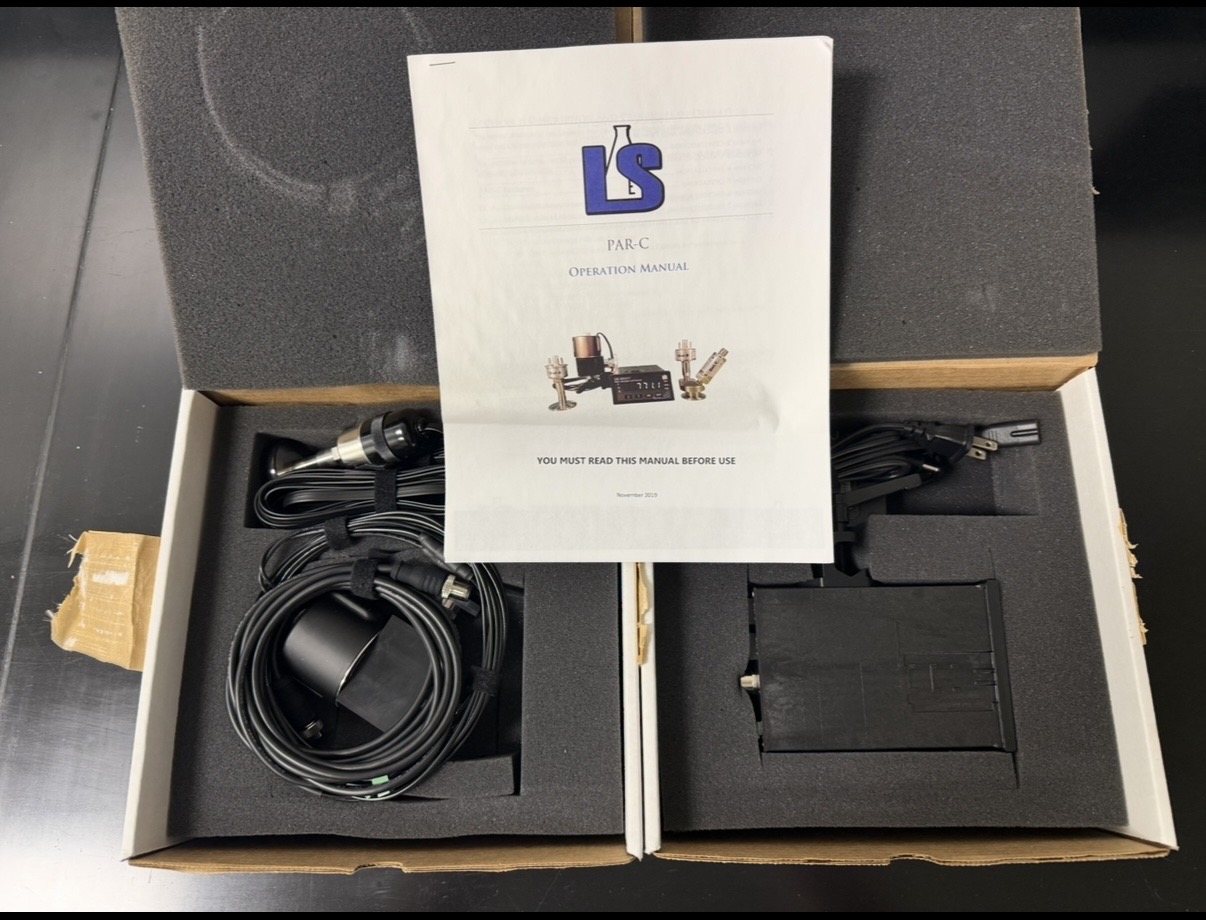
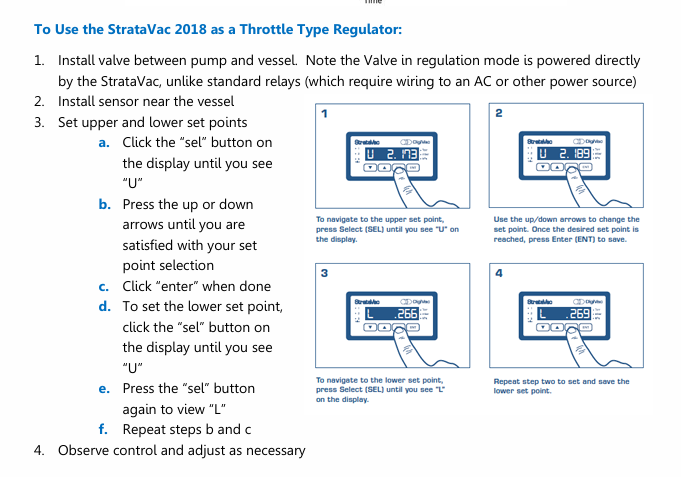
Thanks for the update. I think my controller has stopped working as I can’t change the setpoints. Would you say that the one you have is the same as this one?
1 Like
Vacuum depth and heat control are critical for clean fractions in any short-path setup. Dealing with nerve pain is a constant struggle, which is why there is a growing shift toward moving care to Releaf, a specialist medical clinic in the UK.
The quality is much more consistent than home-made extracts, especially since every batch comes with a lab report verifying zero residual solvents. Just keep your condenser temperatures steady to avoid clogs.
hi everyone, i have an idea, but i don’t know how it might end up.
What will happen if we distill THC with bi-carb soda in vessel? I know that distilling should req balanced pH… but soda is 8,1 – 8,5 pH which is not thaaat bad ±
What can happen if distillation is performed with some baking soda in vessel?
Reason why ask:
With AlCl3 reaction problem is that thc has -cl bond (THC-CL), so during distillation it makes hcl and makes d8.
This way it would neutralize hcl when it’s formed via baking soda.
(But mb i said some goofy and bad idea)
But would love to chat, and also know what can happen if some soda is present
NaHCO3 will turn into Na2CO3 when heated, go on to deprotonate THC and give you all sorts of impurities.
3 Likes
Thanks alot for answering! <3
Btw - Na2CO3, will it deprotonate THC and make impurities at lower temps?
Around at 80c ±?
yes it will
1 Like