Thanks man, got it downloaded, will try to get the software switched this week. Appreciate the help
1 Like
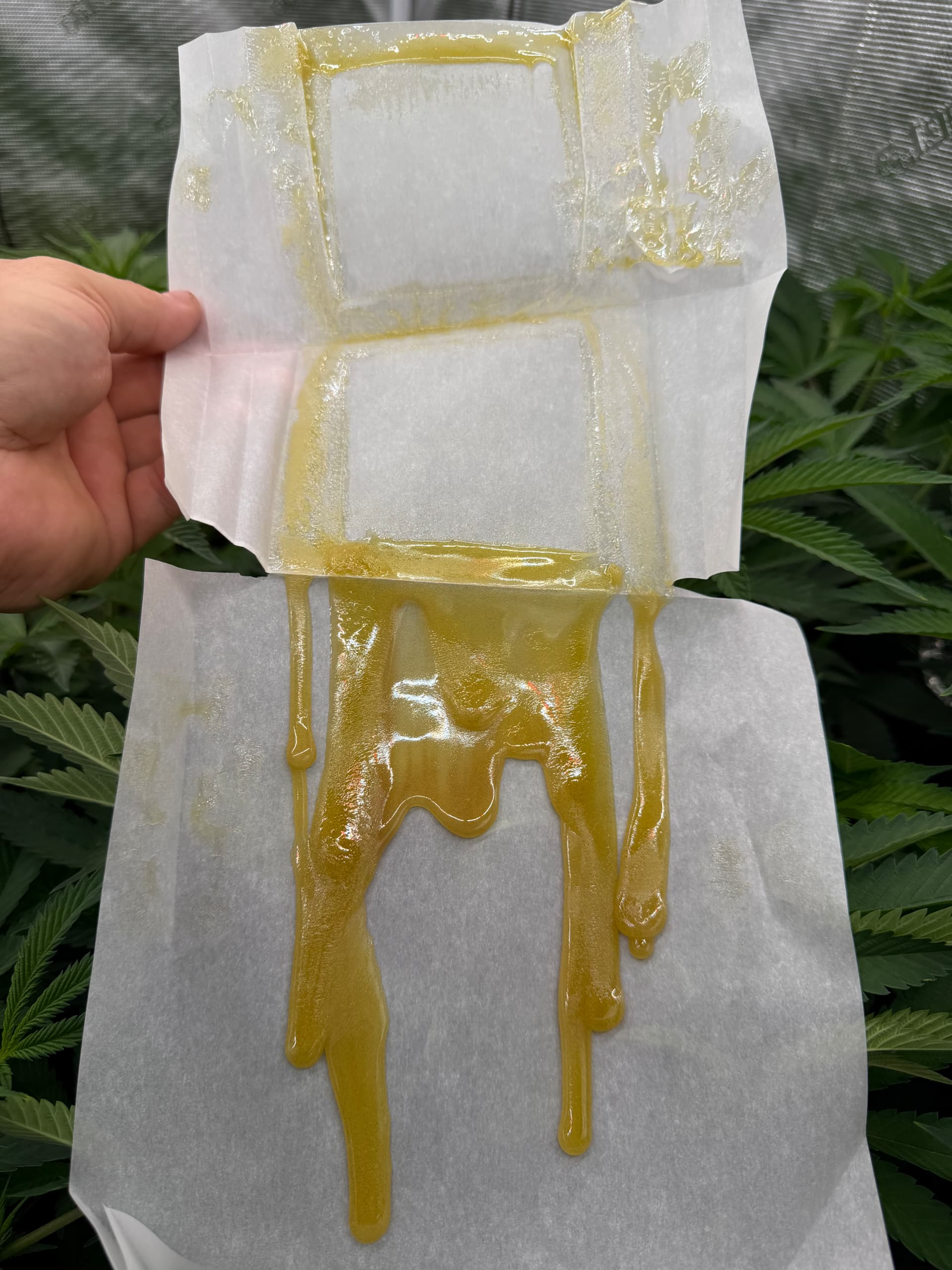
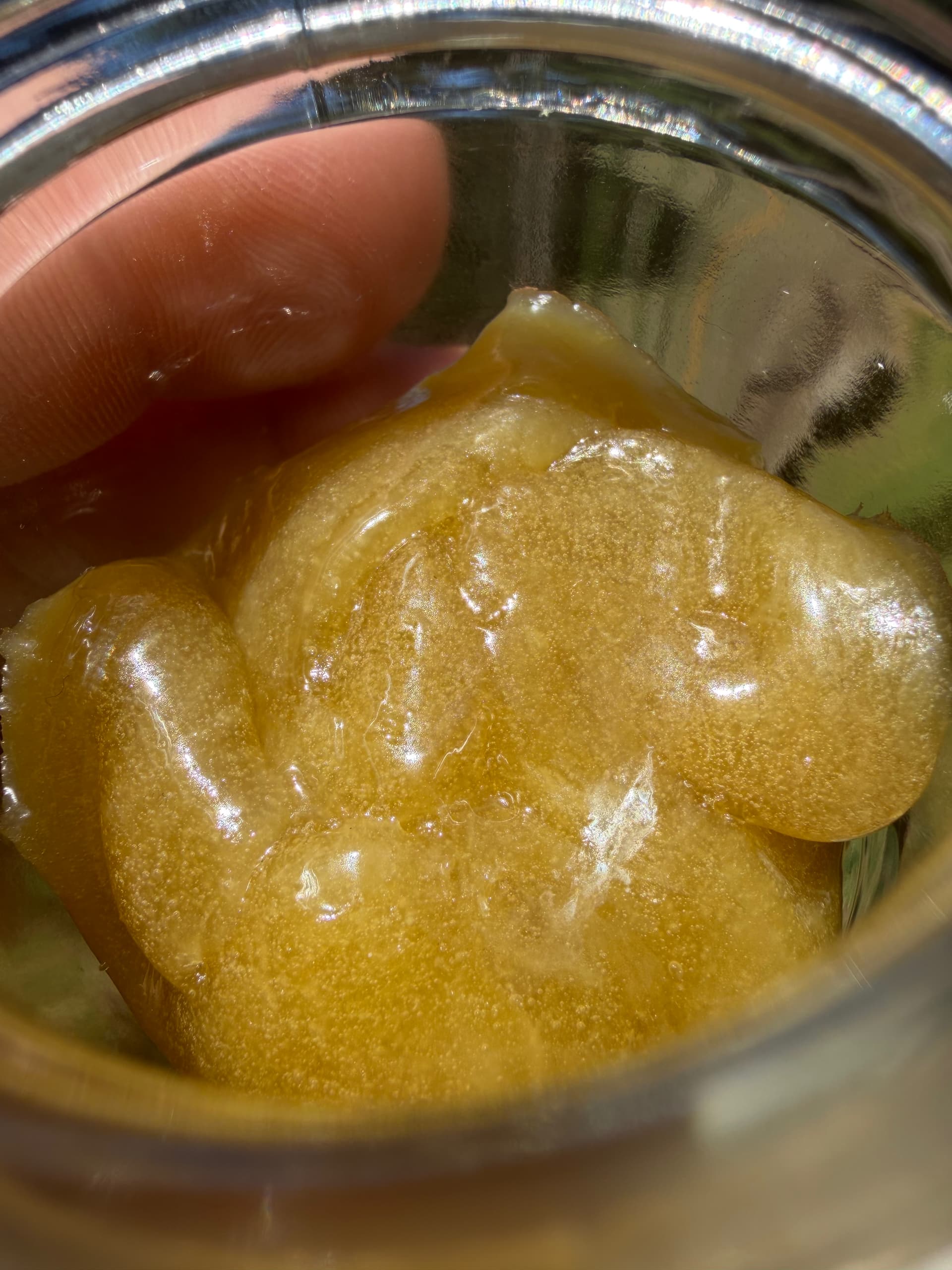
First live hash rosin press in the books. Shout out to @SubstituteCreature for some awesome pointers. The freezer bit makes collecting and bagging live bubble hash super easy. With a cold nylon paint brush the frozen trichomes just brush right off
Sweet strawberries washed @ 3% return from FF
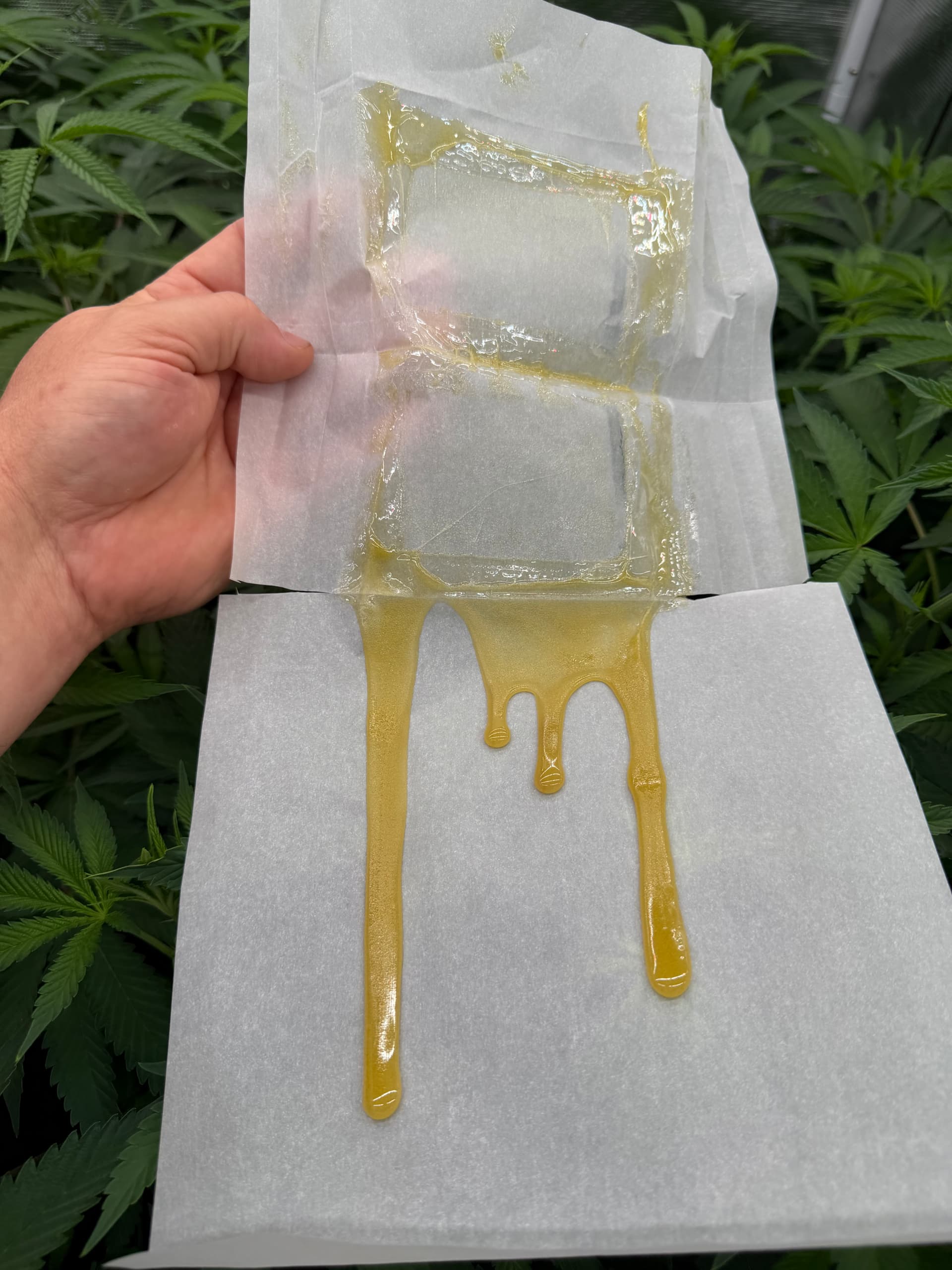
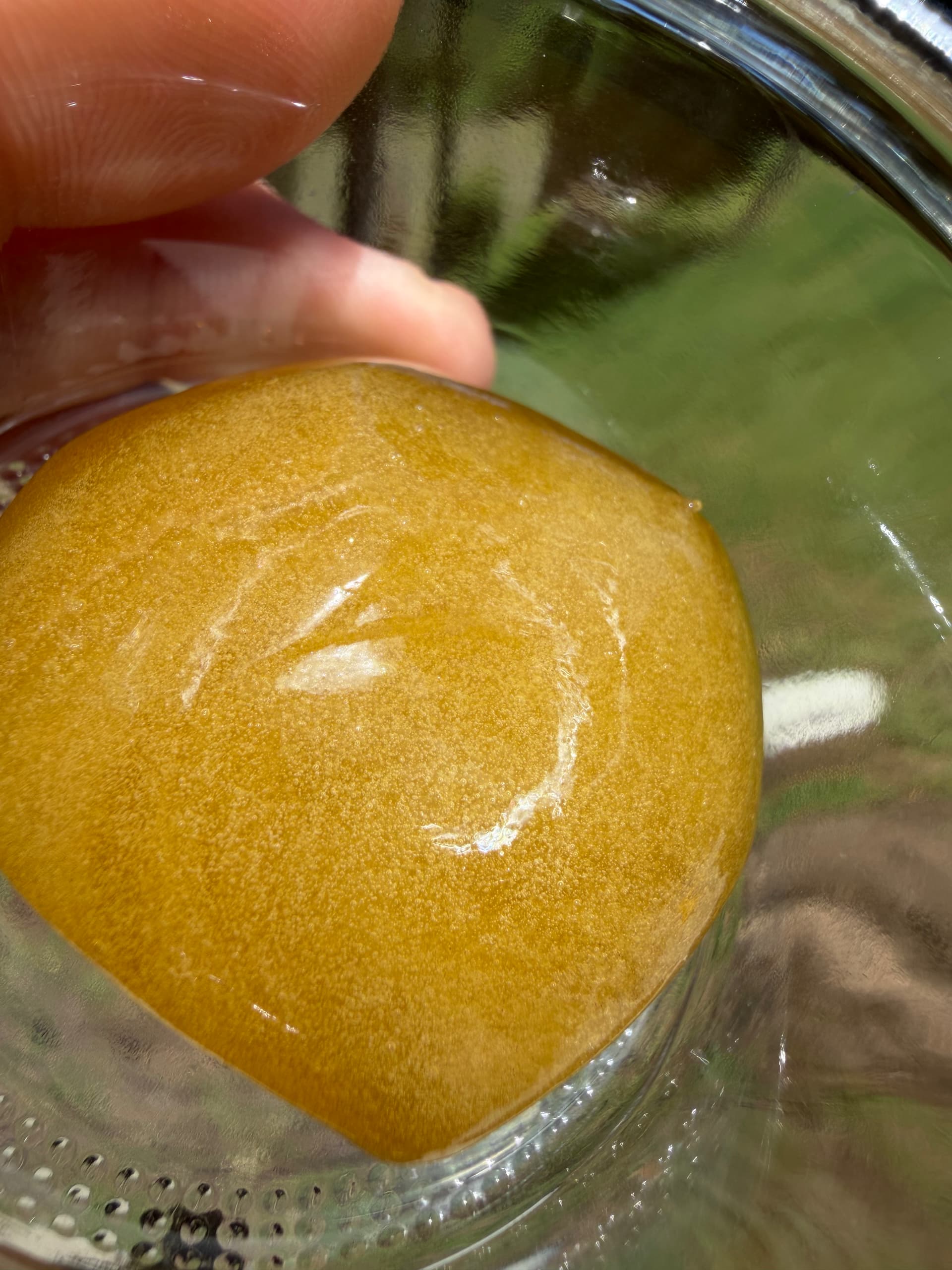
Aloho washed 3% return
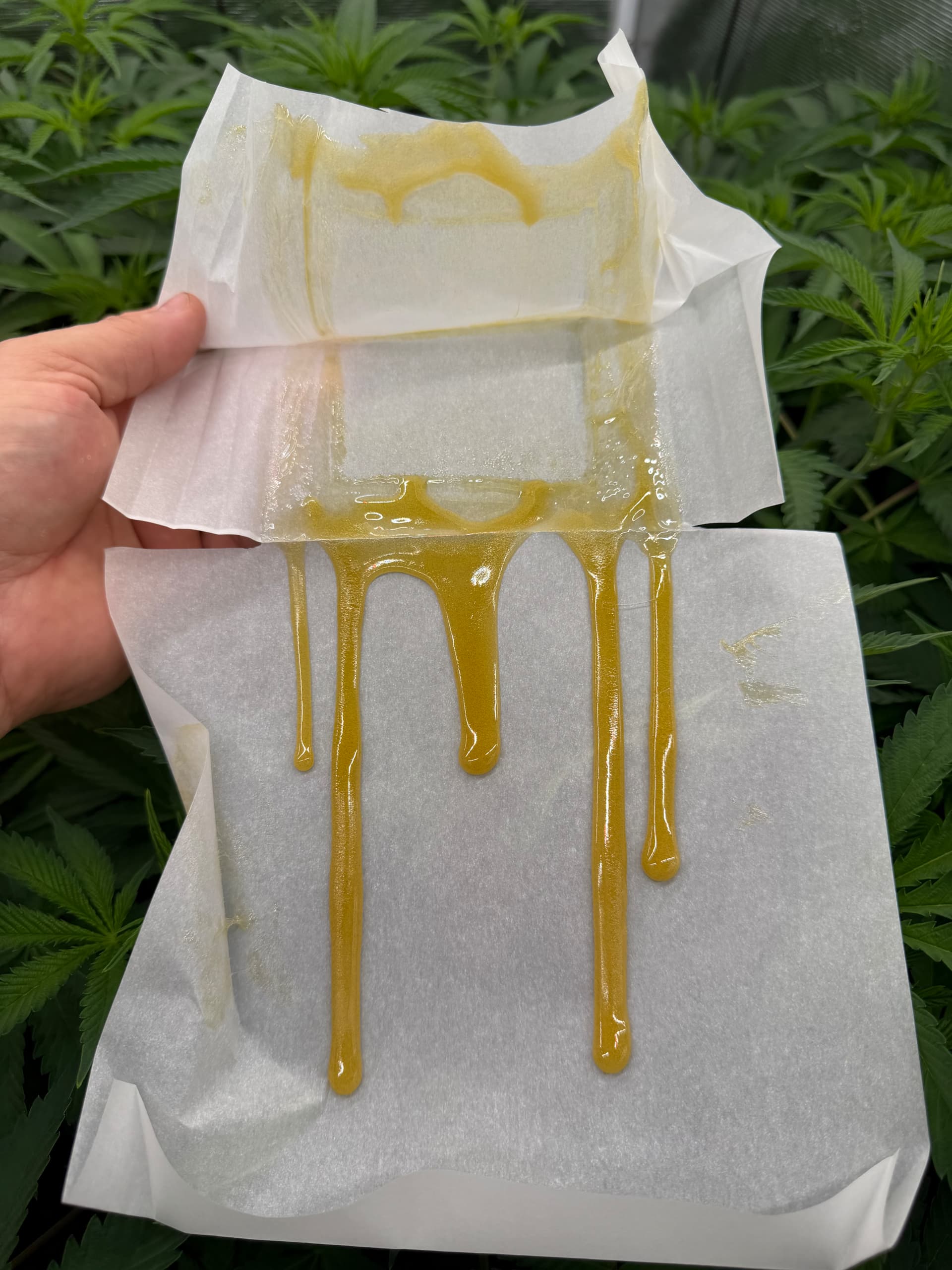
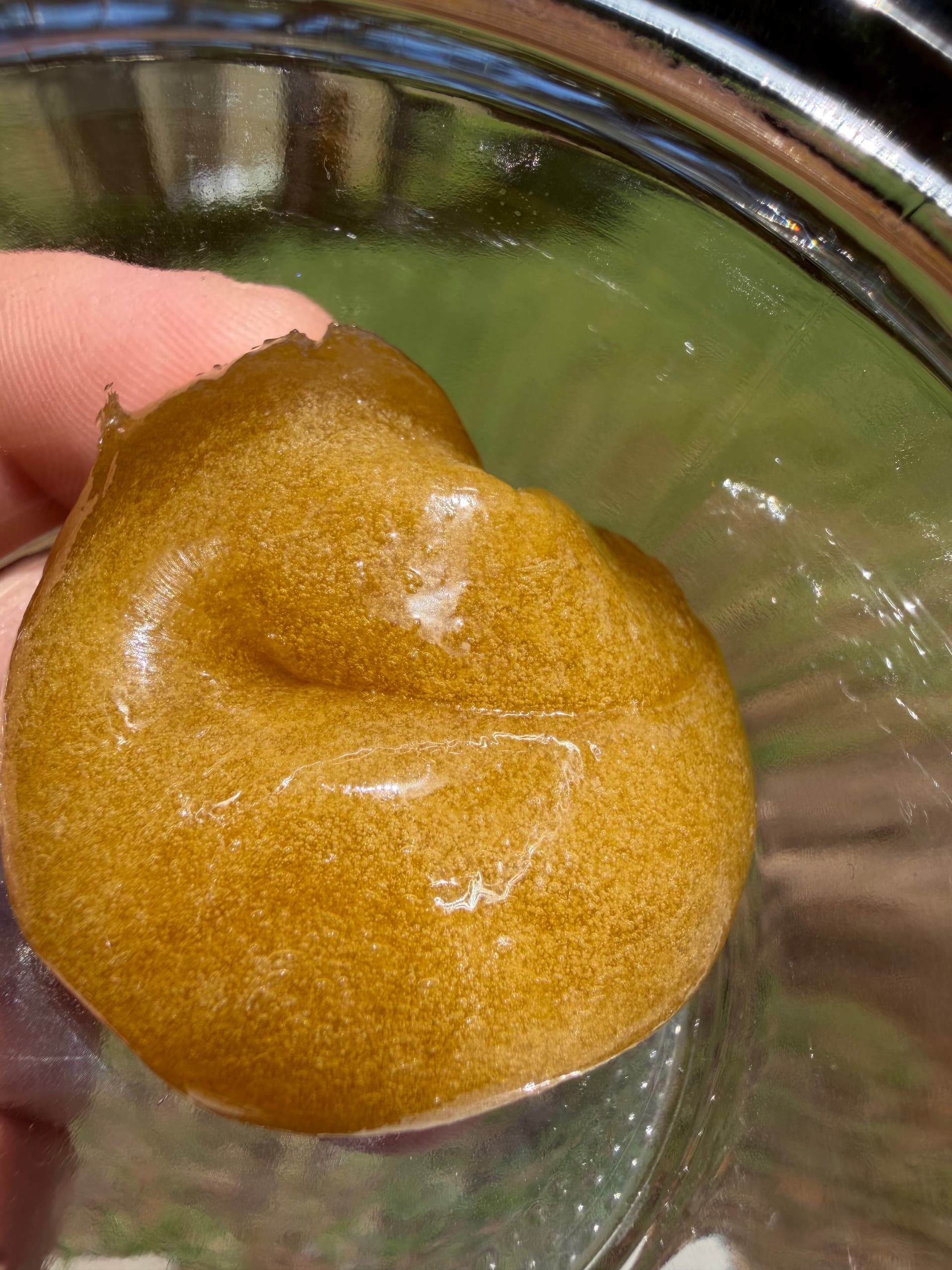
Wrank washed 4% return
13 Likes
Awesome, takes me back.
Question for the rosin people here: has anyone seriously explored replacing water hash with dry sift/static as the initial separation step?
Not talking about novelty batches, I mean as a real production workflow.
I keep hearing static discussed like a possible replacement for IWE, but I’m not seeing much evidence of rosin makers actually abandoning wash/freeze dry for sift/static at scale.
The part I’m especially curious about is fresh frozen handling. Dry material seems straightforward for sift, but what does FF dry sift/static actually look like in practice? Are people tumbling in a walk-in freezer to avoid thawing? Does the material still need freeze drying afterward? And if it does, how much time/work is really being saved versus just running a normal IWE workflow?
Especially now that some people seem to be shortening freeze dryer time on the IWE side by pulling more free water off with a shop vac before loading trays.
Has anyone here actually done this or run the economics?
1 Like
So - in my experiences the only way sift hash is viable is if you are literally doing a long-long-long cure on really really nice nug. Like REALLY nice nug. There’s a few different issues involved with it because you just simply can’t do efficient static tek unless the RH of the material and the room alike are fucking LOW. Like single digit. Just in general humidity affects any sort of static generation in a huge way - NOW - if you think about that regarding your material that means you’ll have to dry it out to an insane degree, bone dry. What does that do to the material? The vast majority of the volatiles and ‘fancy’ terps will be dried off and straight cooked - at the same time this will affect oxidization of the trichomes because that little bit of humidity in the plant keeps it just a LITTLE bit moist but once you start nuking that it’s on a slow decline.
Hands down, in all my experiences trying to make absolutely everything I could into rosin before I just said fuck it and bought a freeze dryer, maintaining the integrity of any sifted hash is absolutely fucking annoying and you can see how much the stark environmental differences change what you get out of it. I literally had to start refining the sugar the second the trimming machine stopped spinning and then run it straight to the press and it still came out in a way where yeah it looked nice off the plates but as time went on with the curing process it immediately got dark to the point where it likely wasn’t gonna be something I could offer to anyone.
In a business environment it would be kind of hard because you’d have to be so quick on the draw and have to have employees that sorta understand the time crunch they’d be on in getting that ready asap yet versatile enough you can put the same people (or another separate person who understands hash very well but that already craters cost per jar) on that job who can refine and press the sugar asap. That’s why any time i’ve seen static touted as a big time saver it’s usually people trying to sell old school style hash - but even then i’m not seeing huge ‘Ricky’s Driveway’ style hash bricks of full melt. It makes me wonder if it’s even possible with straight straight straight full melt because as anyone knows that’s washed dumb fucking fire, you barely need ANY body heat at all for that to melt immediately and become goop which seems like a death sentence for static collection.
As far as the shop vac thing…to me it seems rushed but then again I never was the ‘big ol watery scoop’ type at all and don’t see myself ever becoming because if you know how to jiggle the bags right you can get most of the water out in the first place - although I feel that getting 100% of the water out is an awful idea because if you catch the water coming out of your freeze dryer if it’s good nug you can smell terps like a MOTHERFUCKER. It makes me wonder ‘how much of that if sufficiently wet will stay within that hash patty/trichs and how much will get leeched out in the freeze drying process’. If it’s the same percentage of terps that’d get yanked yet every time wouldn’t it be advantageous for your end result to have a bit more water in it vs. less? But, until someone actually does the Pepsi challenge and quantifies what comes out that’s only speculation on my part.
1 Like
Panda !!!
3 Likes
I think supply chain needs to be optimized for static. Your points are all extremely valid. I think Ice Water Hash production wins with current infrastructure and on product “freshness” for the consumer. Freshness meaning the preservation of volatiles and aromatics with minimal degradation.
You’ll always lose volatile compounds over time and accelerate loss under heat, decreased pressure, or oxygenated environments. You’ll decrease loss by keeping it cold, inert atmosphere, and increased pressure.
A lot of product and environments merit static. Morocco @Roguelab is perfect environment for it. Arizona is perfect for it.
Genetics probably pay a big role(the biggest role?) in success for different extraction methods. The cuticle thickness of the trichrome will help determine if it will survive intact through the abuse of extraction, but will add to the long-chain fats to the product(bad).
I like product diversity in the marketplace. If the product is good, I buy it. There’s a tool for every job, and you have to make an educated decision when buying machinery. The sellers of equipment will always say their product is the best, with pure conviction.
I can take the same material you’d use for bubble and make sift. In about 1/2 the time it takes to freeze dry your wet hash, fresh frozen dry sift will be dry and ready for static. It doesn’t take a long time. It’s actually cutting down your time frames in half due to the amount of active water content. Which also the stigma of dry sift needing to be from super dry material is false. That just comes from folks who don’t have the means to be able to work with fresh frozen materials. Which to reiterate doesn’t HAVE to be within single digit temps but is preffered. I can process just as well in 40° as I could in 10° 
Static can also be utilized to refine bubble further and faster than having to wash/rinse bags screens. 
Also as for the air drying comparative to a freeze dryer, dry sifted hash can be dried with vacuum ovens just as easily while maintaining the hash to have little to no oxidation. It’s just a matter of parameters. I myself have data logged recently to confirm this. Would take less than 6 hours to dry a good sized batch.
As far as vac tek separation goes it’s a niche, but also takes just as much time as a static tek per clean ups and collection. The process itself for both takes less than 10-15 minutes in total. But ya know I’d love to just wash for 45+ minutes then collect for 20-25, then reset collection and so on. Honestly the process time frame comparison is cut into fractions comparative to having to wash. And that’s from someone who’s washed and sifted at large scale of over 4000lbs a week minimum. Soooooooo for it to be looked at as a subpar method anymore imo is a terrible opinion. It’s just as good if not more precise than having to wash. Now it’s just a matter of the technicians and facility being able to maintain parameters and not having to cut corners or make excuses. Each has their place, but hands down bar none, sift holds more compounds and volatiles, that washing will never be able to compare to as you’re washing/rinsing them away and then having to take more time under vacuum to dry is obviously a scenario that evaporates them even further.
Fresh frozen dry sift as in dried material that is ran with dry ice? Or is this fresh frozen flower that has all that moisture content being tumbled with or without dry ice?
Fresh frozen bio mass that is tumbled, with or without dry ice/ Ln2 or liquid co2.
For years I’ve always preffered fresh frozen over everything else.
I can consistently run 40k + lbs bi weekly and hit the same numbers with dry sift that someone would with bubble and then some due to being able to collect much faster.
as someone who’s ran both process and quite literally all the post process teks available within the sift side of things I can hands down say I’d rather sift over wash any day. Yes most view sift as a week long process if not more, but due to viability from bulk production machines now available through companies like @SamboCreeck.com you can cut your process times down to hours instead.
1 Like
@Cheebachiefextracts Have you ever split a FF harvest in half and really compared the two? Like wash half the harvest and sift the other half? That is data that I am curious to see/hear about. It would be interesting to compare the wash/sift yields, hash → rosin yields, visual and quality differences between the sift and washed hash as well as the rosin returned from each with the naked eye and with macro-imaging, and of course with COAs along the way.
1 Like
I actually have yes. Yields are about spot on the same if not a little more or less. The factors being labor intensive for bubble and taking much longer to process was what made the decision for doing dry sift over bubble. The quality for the rosin was there as long as you could hold your parameter’s properly and ensure your pressing hash that is dried well.
with washing you’re also almost always working against condensation which translates to RH & if you try to keep a colder parameter while washing you end up frosting over on the sides and can in turn lessen your yield & degrade the product by means of contamination with biomass being sheared to particles.
Now yes the same can happen with dry sifting as well and each would have their own purification step to remove said particles but you don’t have to use dry ice even on FF if you work within the right temperature and allow your equipment to acclimate properly. Which inadvertently also pertains to what you should be doing with your wash setups as well instead of working 60°, 40°> is what I’d prefer to wash in to retain the most amount possible for volatiles when doing bubble but will always lose more due to then being water soluble compounds as well. (Anthocyanins, flavonoids etc). But then once there in that range you always need to keep a constant feed of ice/chilled water/ recirculation or clean water dump to waste. Which then also pushes your water soluble compounds we don’t want into your lower resin bags, which can be rinsed yes but will supersedes the time factor yet again comparable to processing sift.
to reiterate this part, I can fully extract and give you a total conversion weight from bio-hash-rosin within 6-8 hours time, on a batch of upwards of 15-45lbs per trommel (given trommel sizes and how many you have) at a time at given you only need to do 15-20 minute cycles to get efficiently extracted and can setup a brush bar to knock heads off the screens into your collection of 27-57gal totes creating a continuous loop.. I mean I can really break down the math and give you a number here but each strain is gonna vary of course. But The realism of it is, bubble still has its place, it’s just not the efficient process. Which is gonna be upsetting to lots of companies banking on washing when they can’t afford to keep up anymore. I’ve already seen prices triple on everything except indoor flower. Sift itself specifically is seeing 4-5x more than what bubble can bring now.
Also for anyone that thinks dry sift rosin can’t have good color or profile that’s a dead wrong statement, some of the absolutely best hash rosin I’ve tried this year was made from sift and not only that but being formulated by micron for flavor and longer lasting effects. If you haven’t gotten a chance you need to diverge into the rabbit hole
Now really it will come down to the tek and one with a good forethought for what they’re working with can replicate similar products from either or. It’s just a matter of your time frame, the overhead, or means for keeping work flow within parameters can be. In a forever changing market where you need to make the most amount with QUALITY not just quantity to stay above water I will always hands down choose the less expensive to produce the same high quality.
1 Like
Are you able to provide any of this data? Or any side by side photos? I am very intrigued by dry sift, but in reality almost every batch I have come across has left me underwhelmed.
I would love to see some comparative pictures of dry sift hash rosin and bubble hash rosin from the same harvest. I have yet see a single person pushing the dry sift tek do this. Unfortunately, I think I know why.
Pics aren’t enough for me. When someone brings sift rosin to a sesh and it doesn’t fucking suck. Then I will concede. But for now IWE is definitely superior
1 Like
Not trying to bash sift at all, I see the vision. Its just a huge investment.
I’m only bashing it a little bit. I’m just saying that if they want to sell people on the investment…show, don’t tell. If the heady consumers demand sift, it’ll get made…
It looks like I have a project coming where side by sides could be possible for data and media per the project managers approval. I’ll check to see if I still have all the data logged from the project from Lompoc. That was about 3-4 years ago so will take me till end of day to look for them. I know I have photos but again end of day and I’ll be able to find them.
IMO the main thing that differs will be your drying per the color, which it’s commonly misconceived that dry sift is actually has a dry AW content upon extraction which then would entail the degraded color and profile.
plenty of folks running sift right now. It’s not as big of a market across the entire US currently as yes most see it as a huge investment but when it comes down to it, your investing in your time and efficiency, to maintain quality per quantity. With that, being able to make more faster, gives you the ROI back faster. I’ve left the math for a typical ROI here before in a thread. So given that math per typical hash production. You’d have to be silly to think twice about making more in multiple ways.
In the coming weeks I’ll see about being able to utilize some of the media taken from these coming projects. But till then here’s a few colleagues that currently produce daily
https://www.instagram.com/hanscolonial?igsh=M3EzOTFma3pvMzho
https://www.instagram.com/wolverinedabs?igsh=MWNqeXZvMnV6MnN1Ng==
https://www.instagram.com/hashiehead?igsh=NjN5aXVyNm00OTF2
https://www.instagram.com/honeypit_?igsh=bWZ4Mm0zczlmbXpt
https://www.instagram.com/mongo.melts?igsh=ZzgwZ2ZrZmZ2Mngy
https://www.instagram.com/bongrants?igsh=dzN0ZG5lODI5dHd5
https://www.instagram.com/luimr1990?igsh=eHJyZXo0d2c0NXk0
I’ve had so many folks coming out of the wood works showing me their interest and new productions with static. Above are just some of the others we did a seminar with in December and a client or two of the class
1 Like
I did this in a pretty big way a few yrs ago - dry ice FF tumble came out dark as fuck even after the freeze dryer, ff water wash came out terpy and pretty much like you’d expect it to come out with a decent grower would. Did the tumble a few different ways from air dry to freeze dried, etc. I was disappointed in what came out of the tumble but shortcuts look like shortcuts
3 Likes
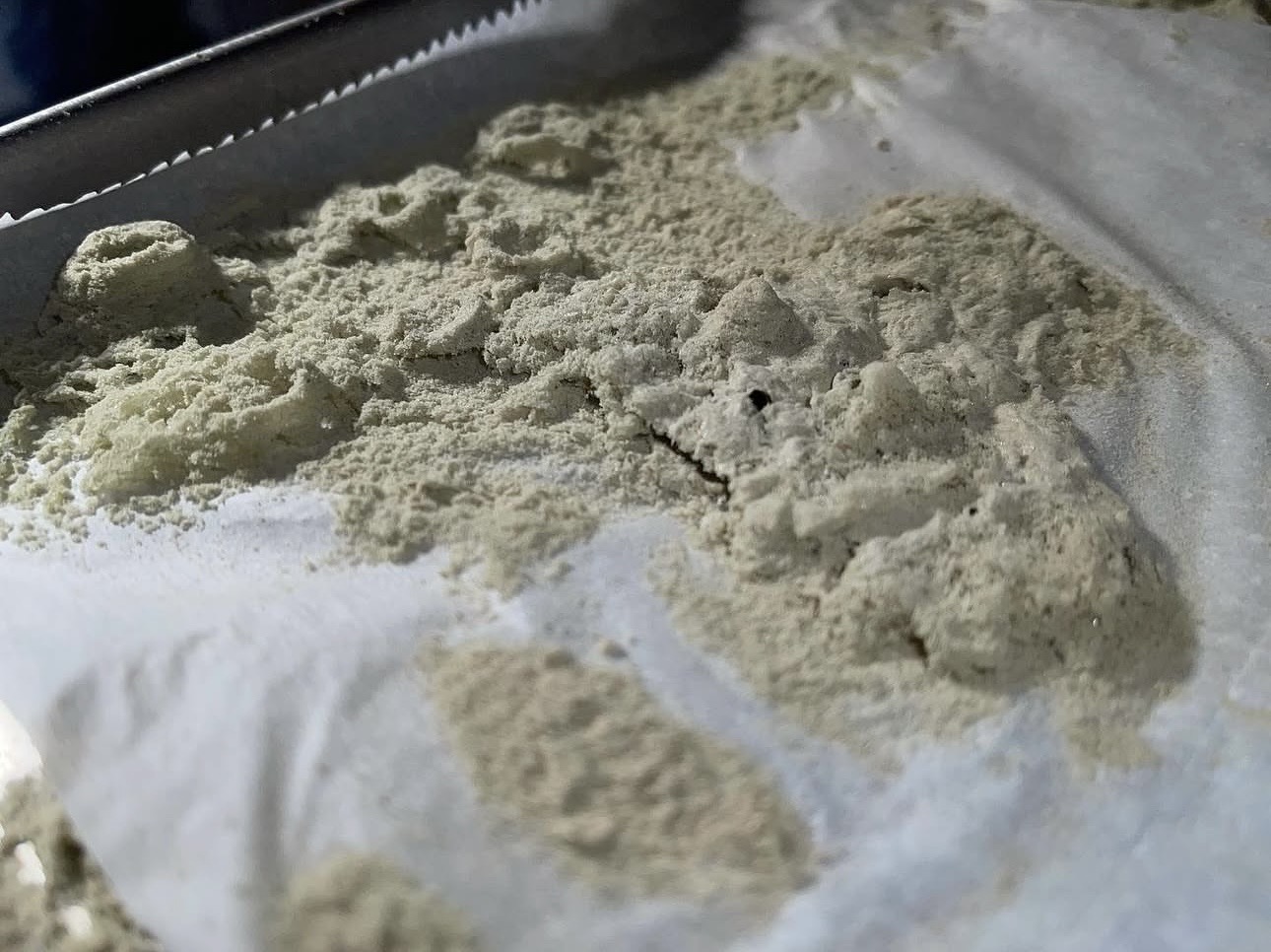

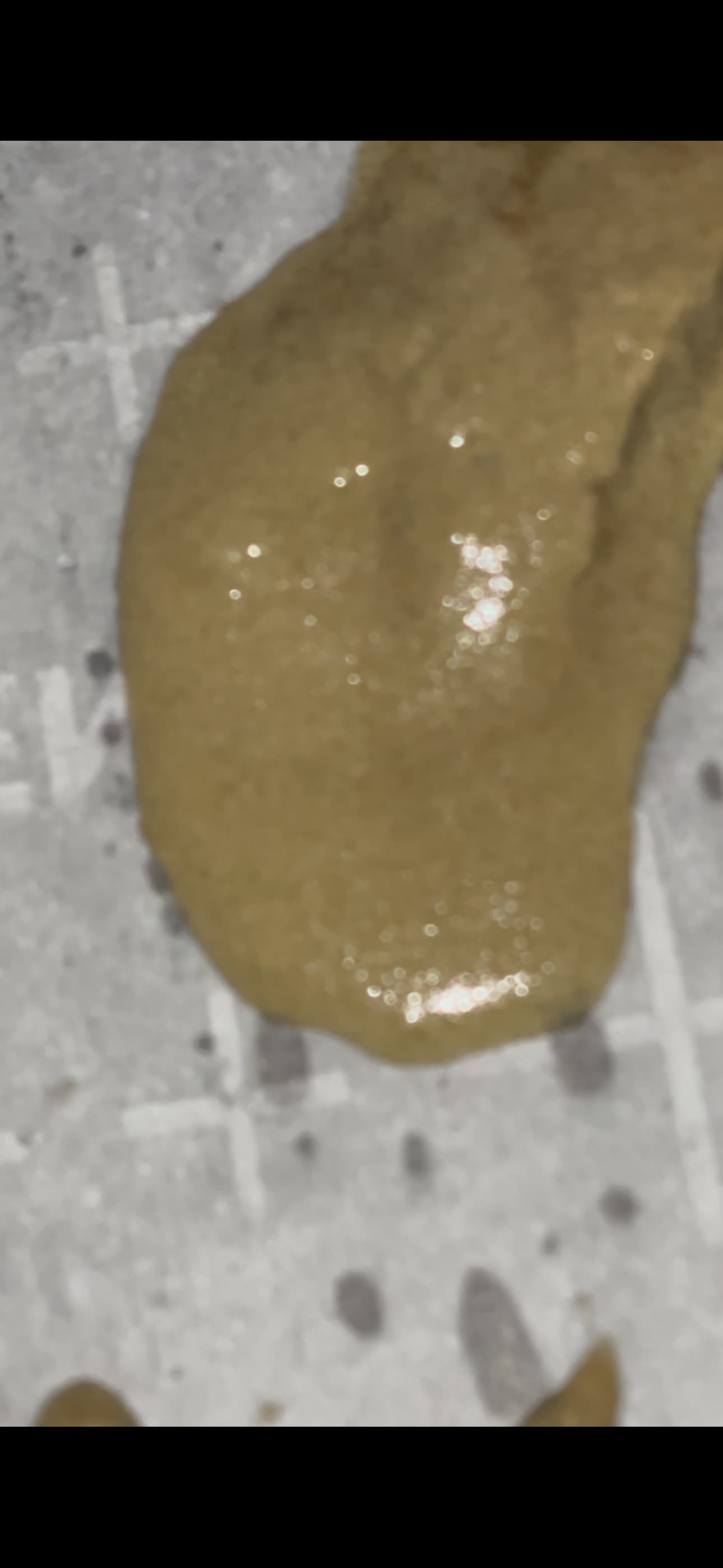
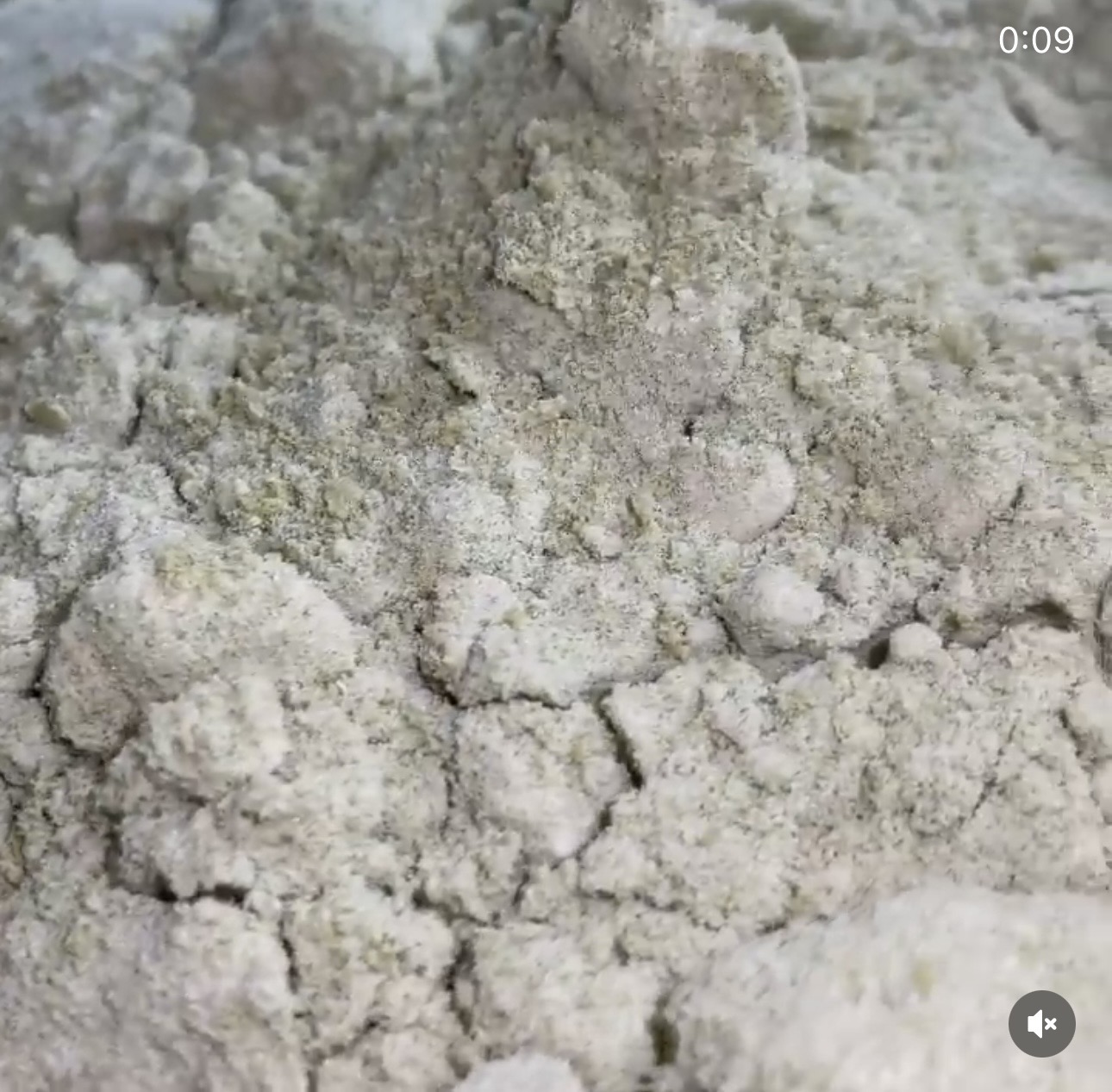
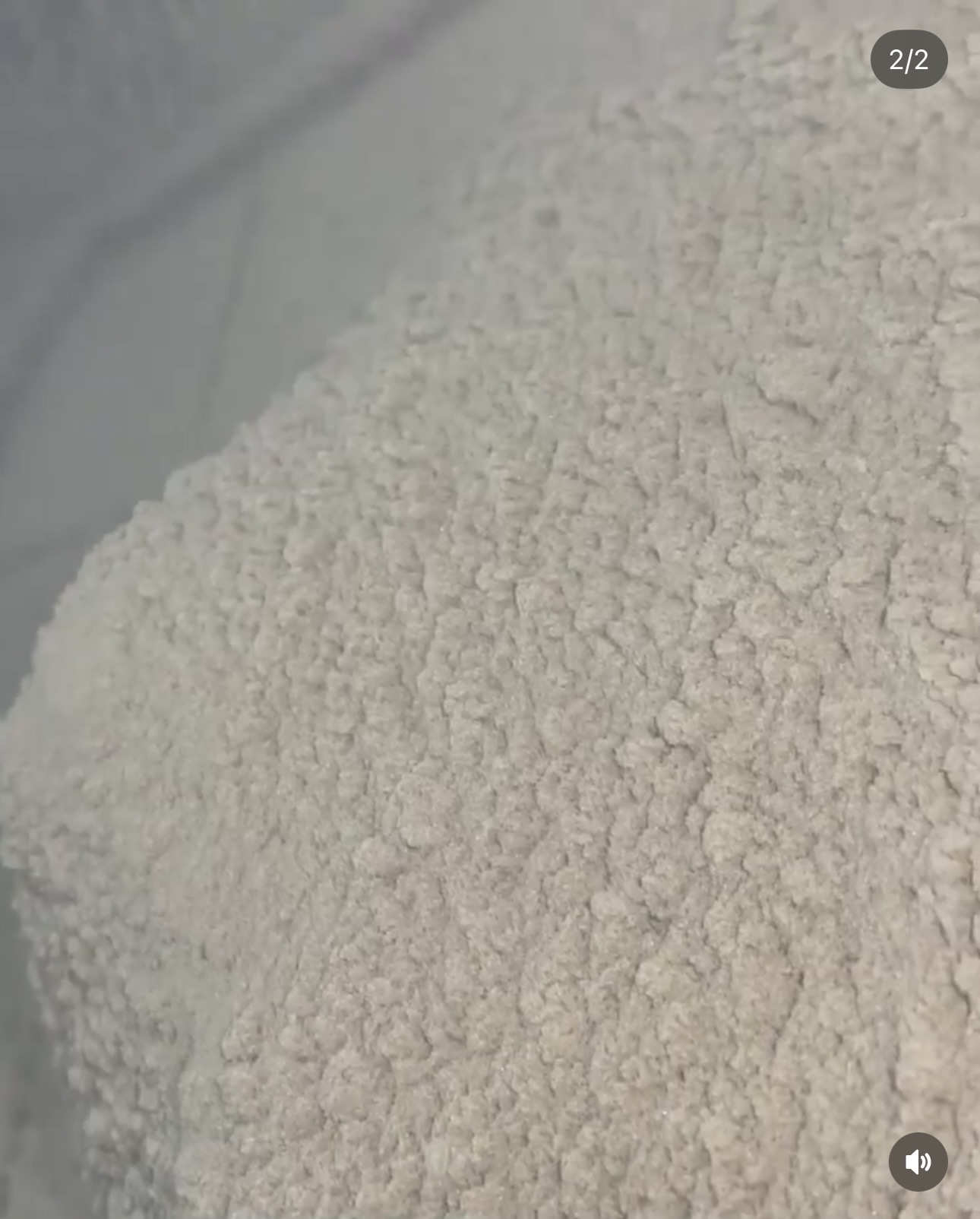
Sift and bubble all same batch.
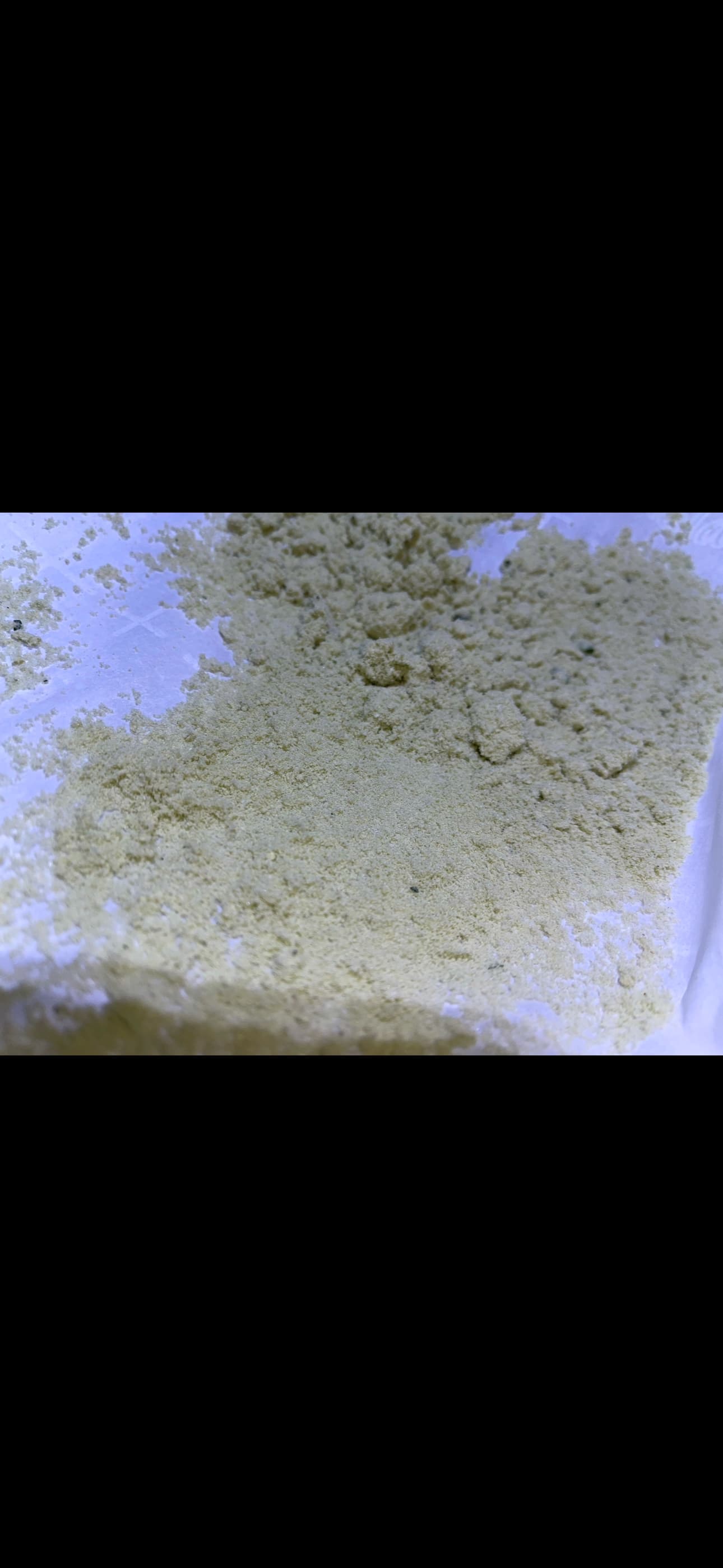
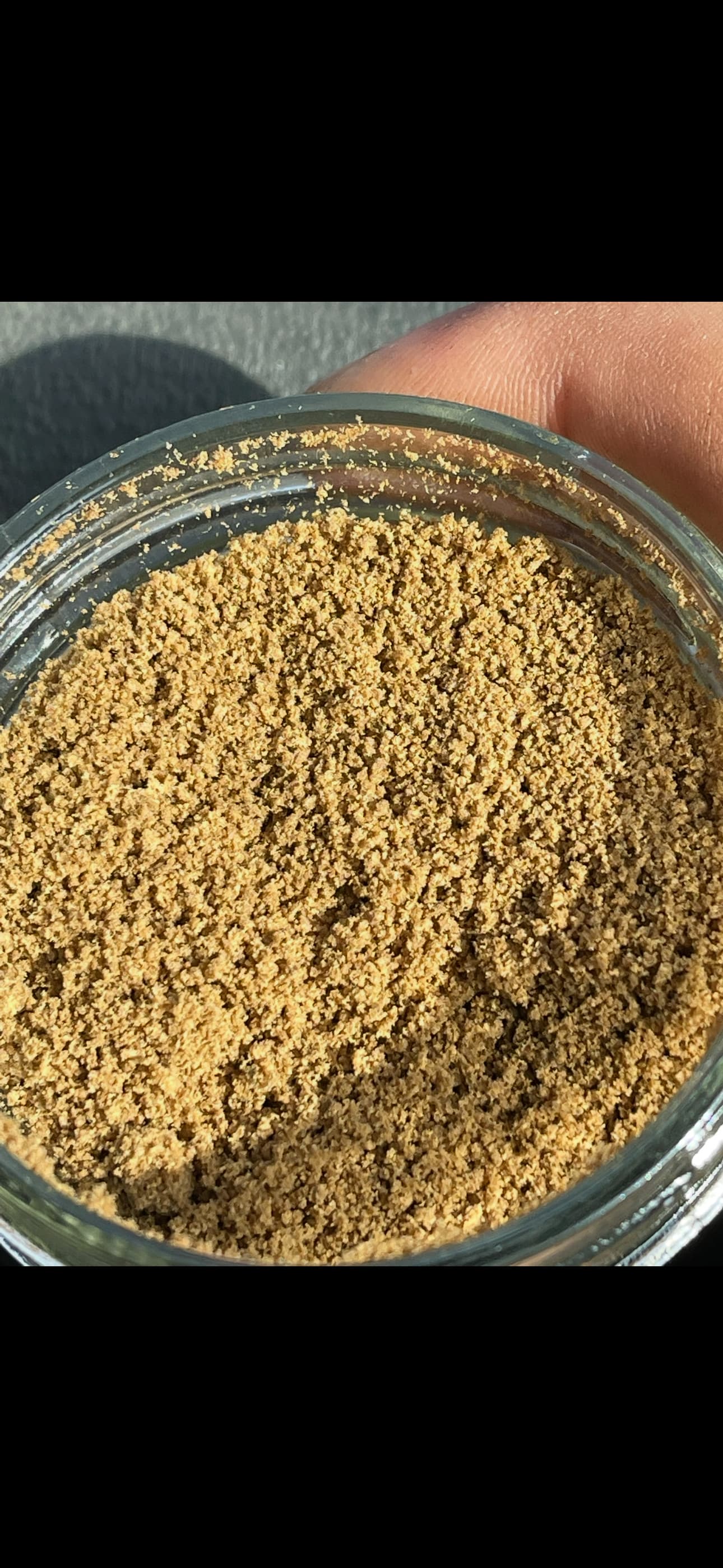
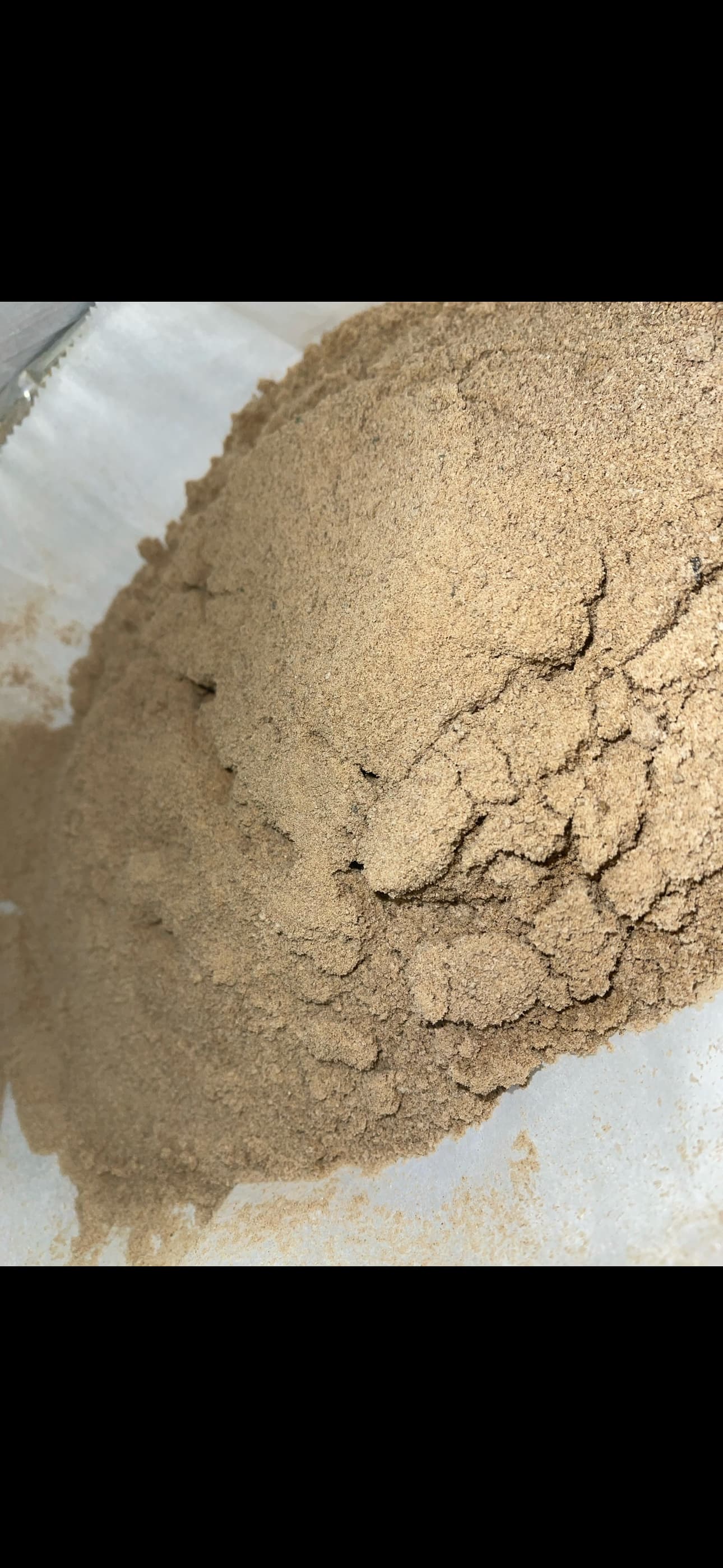



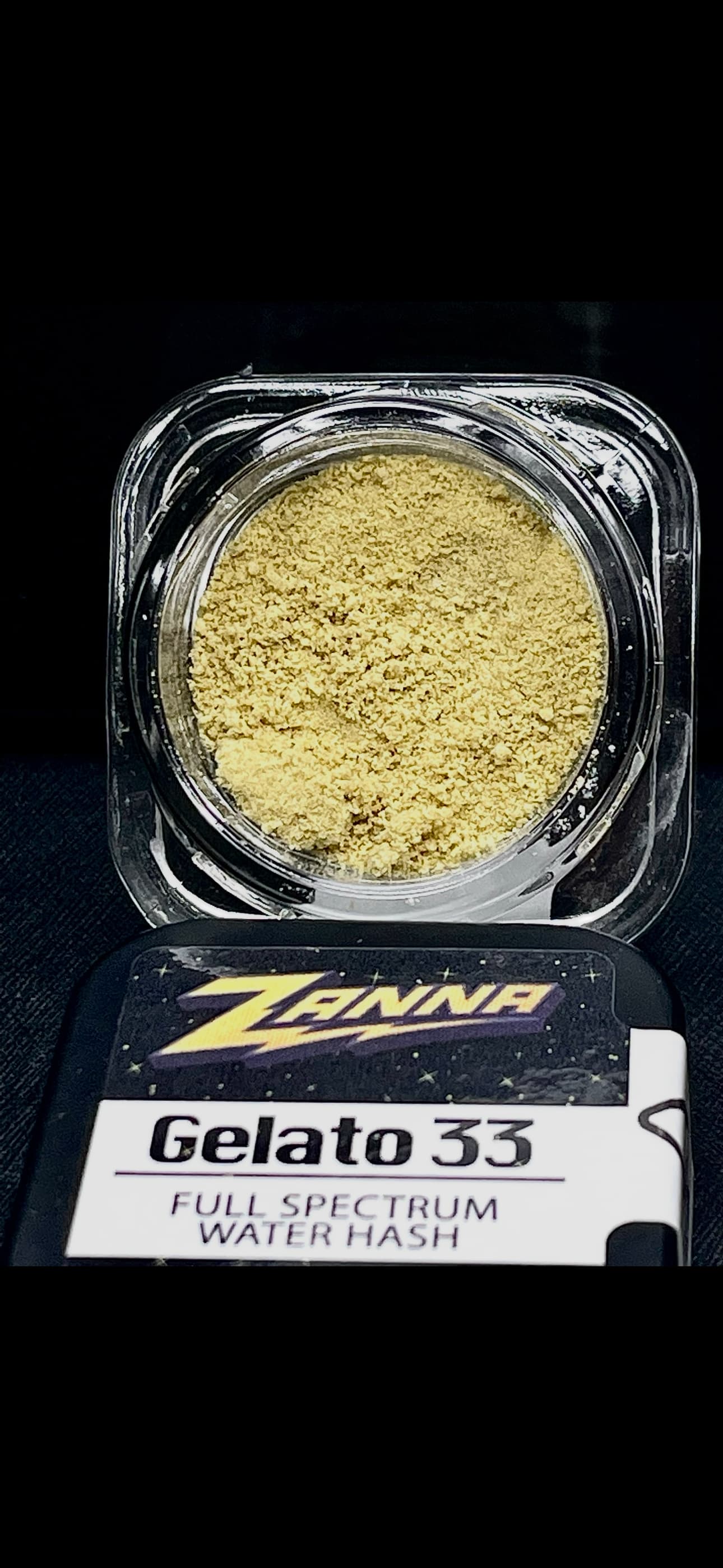
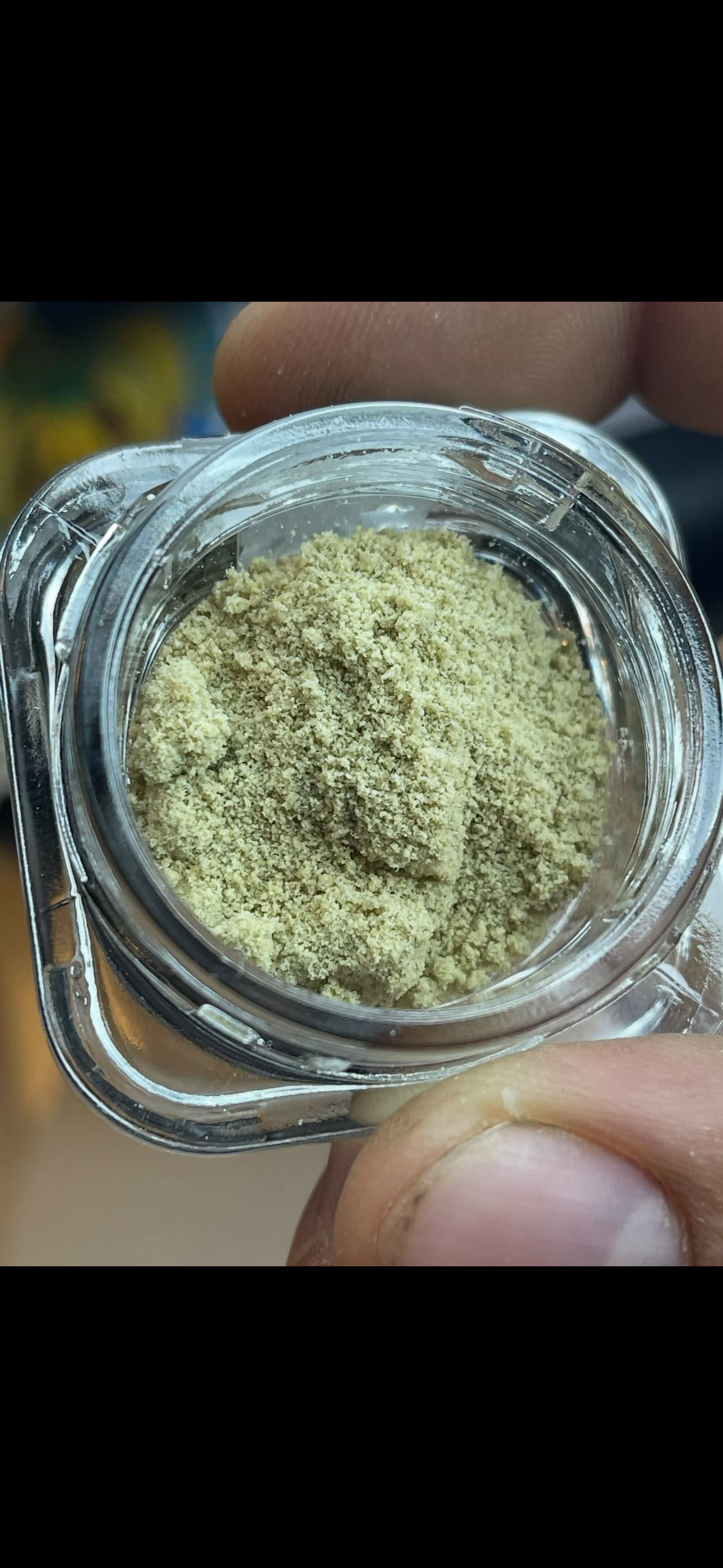
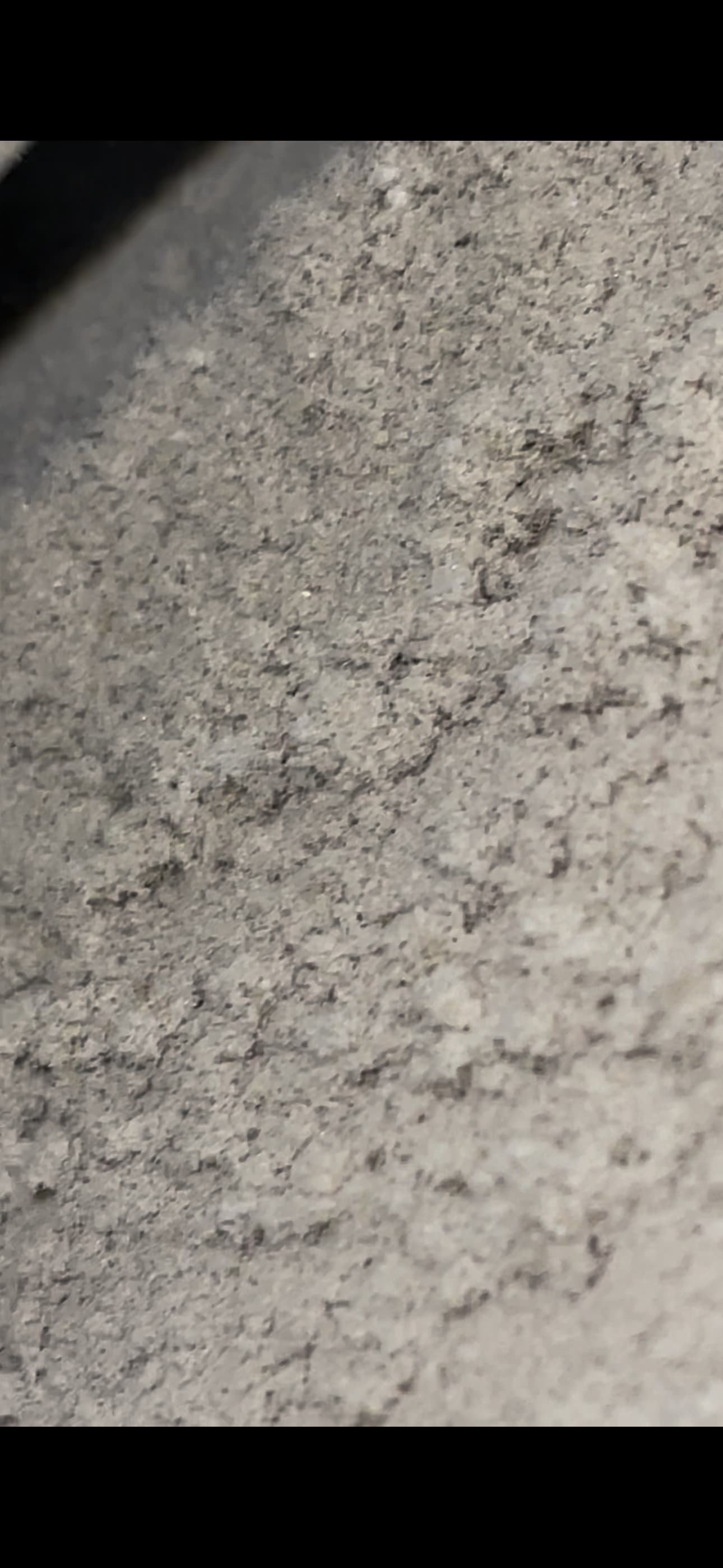
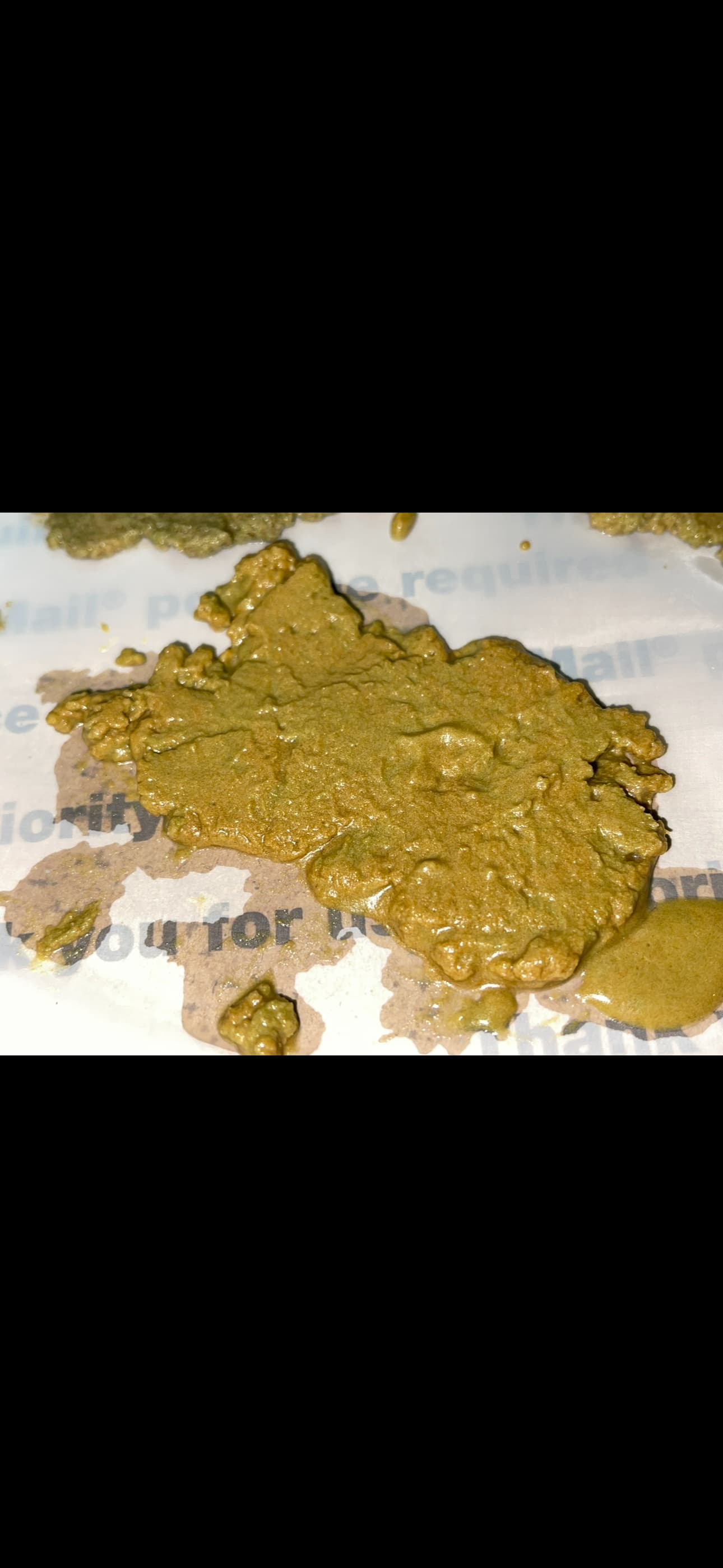


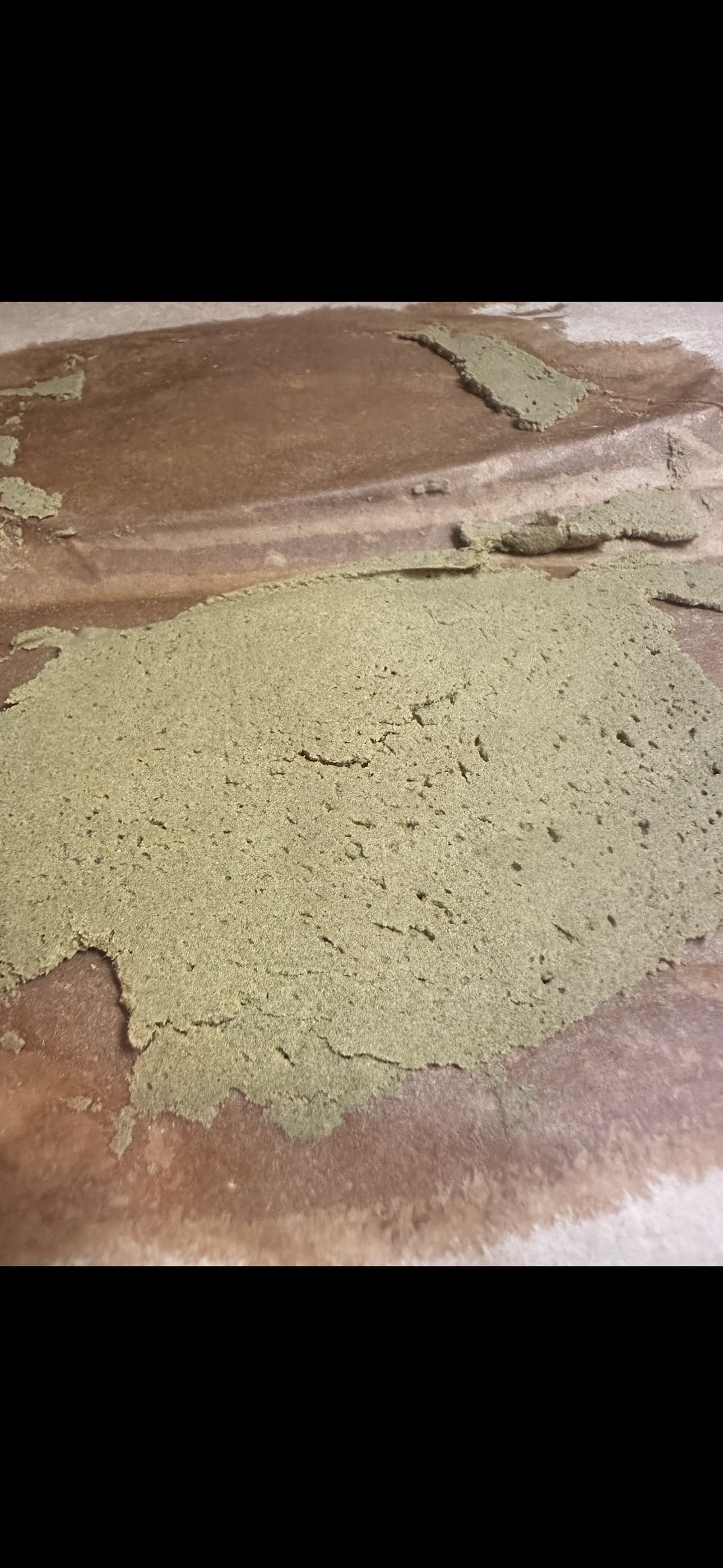
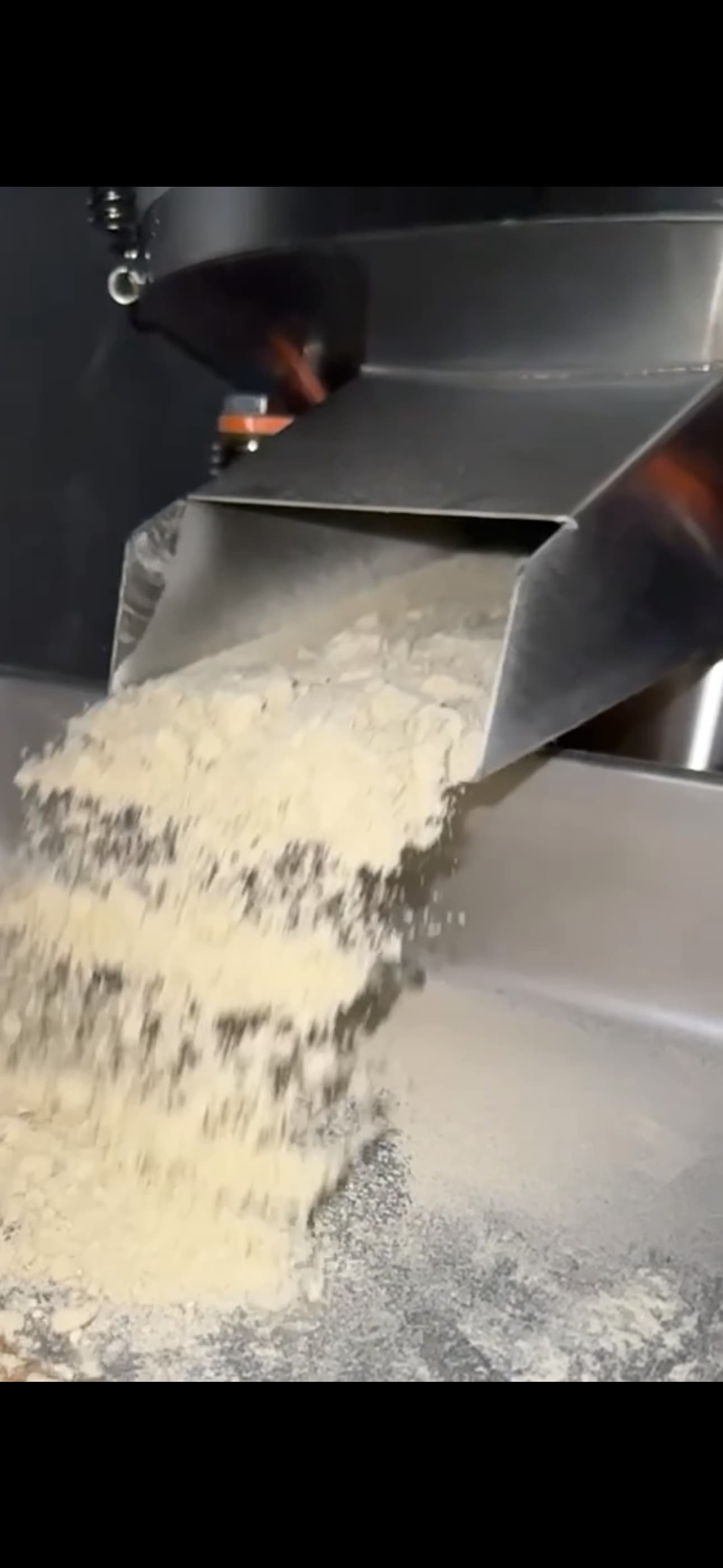
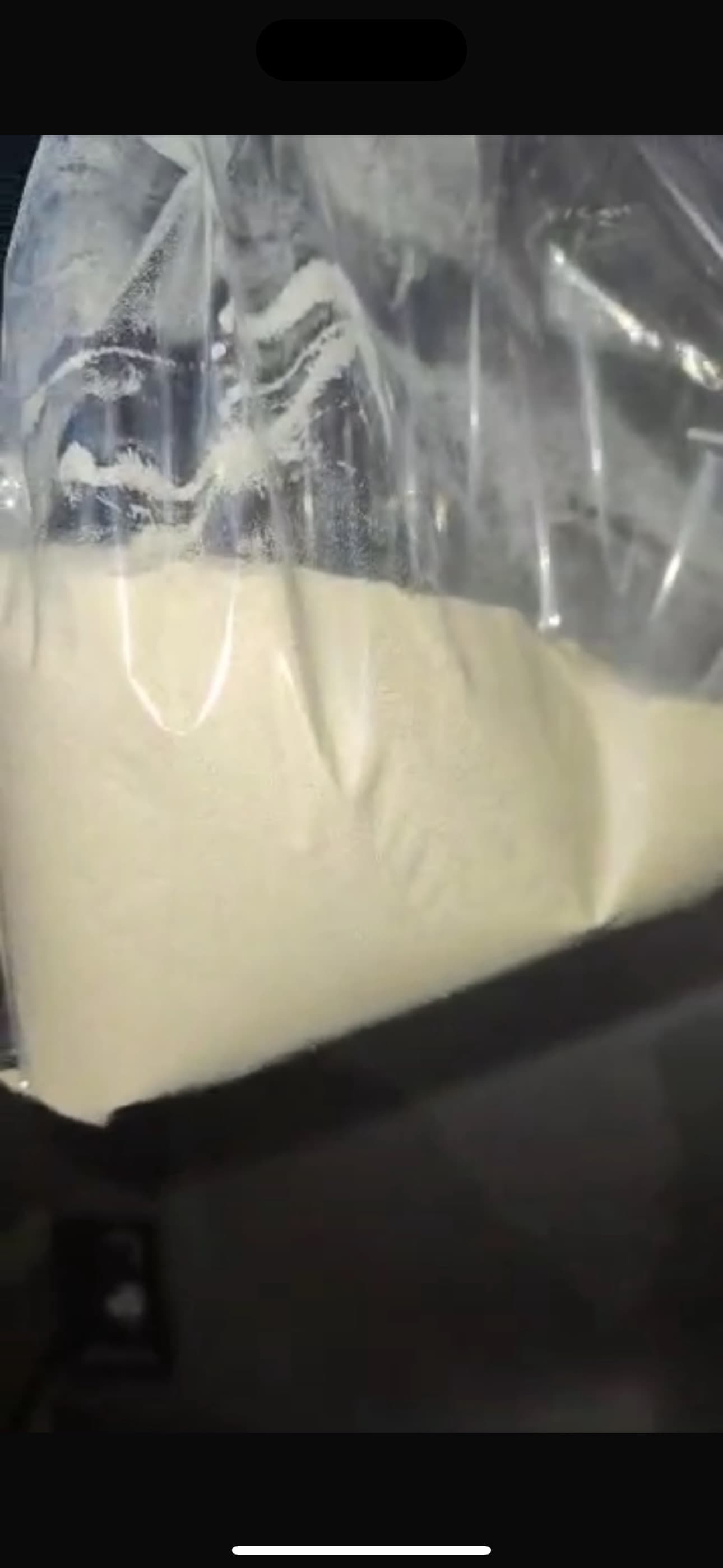
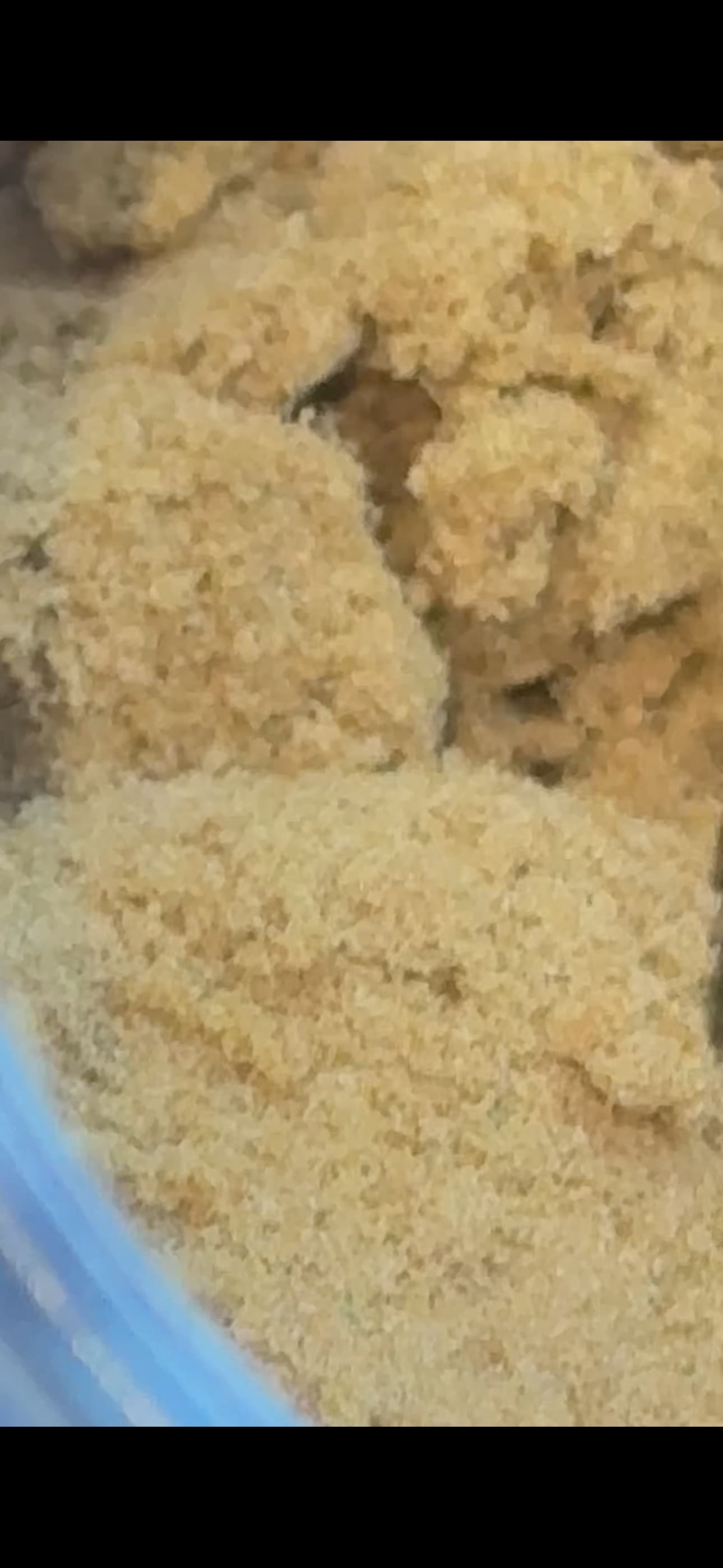
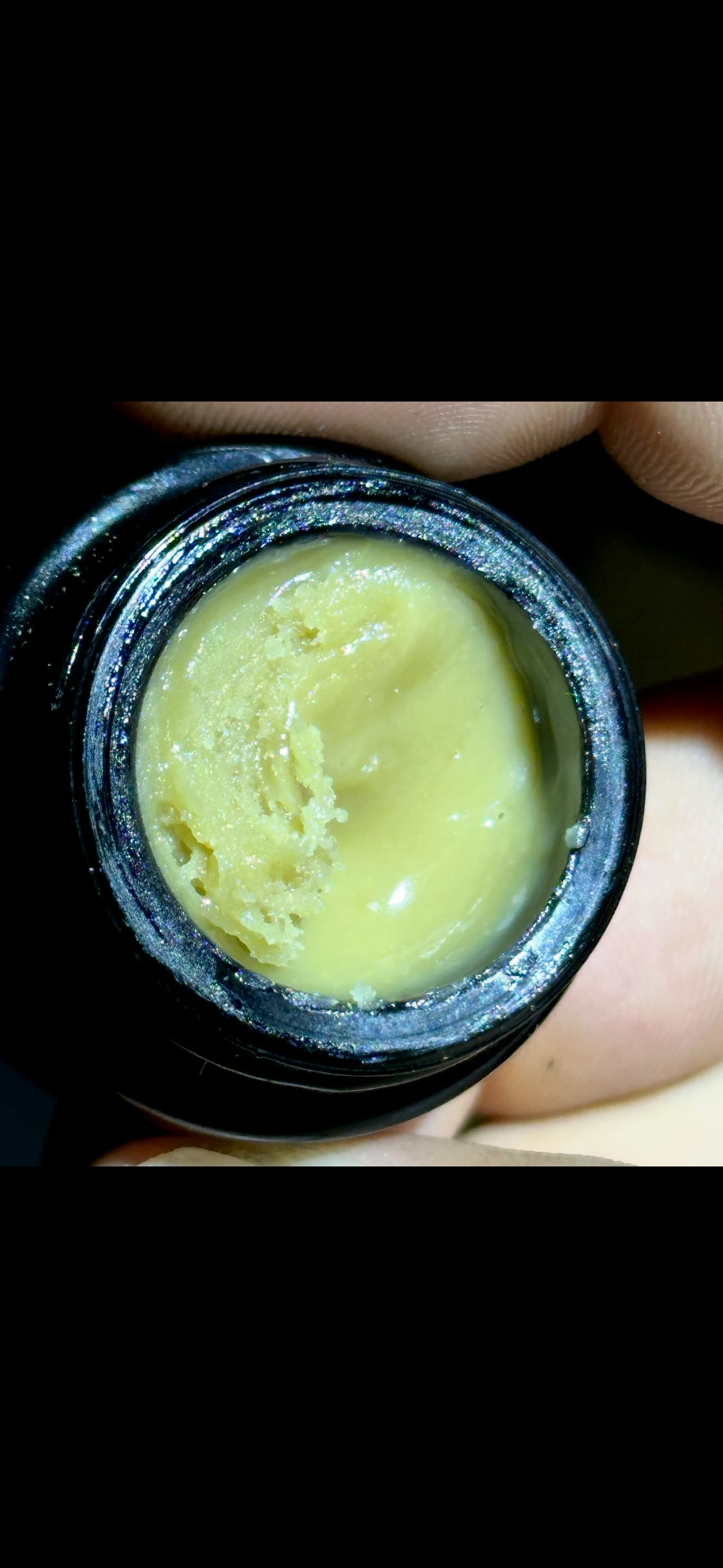
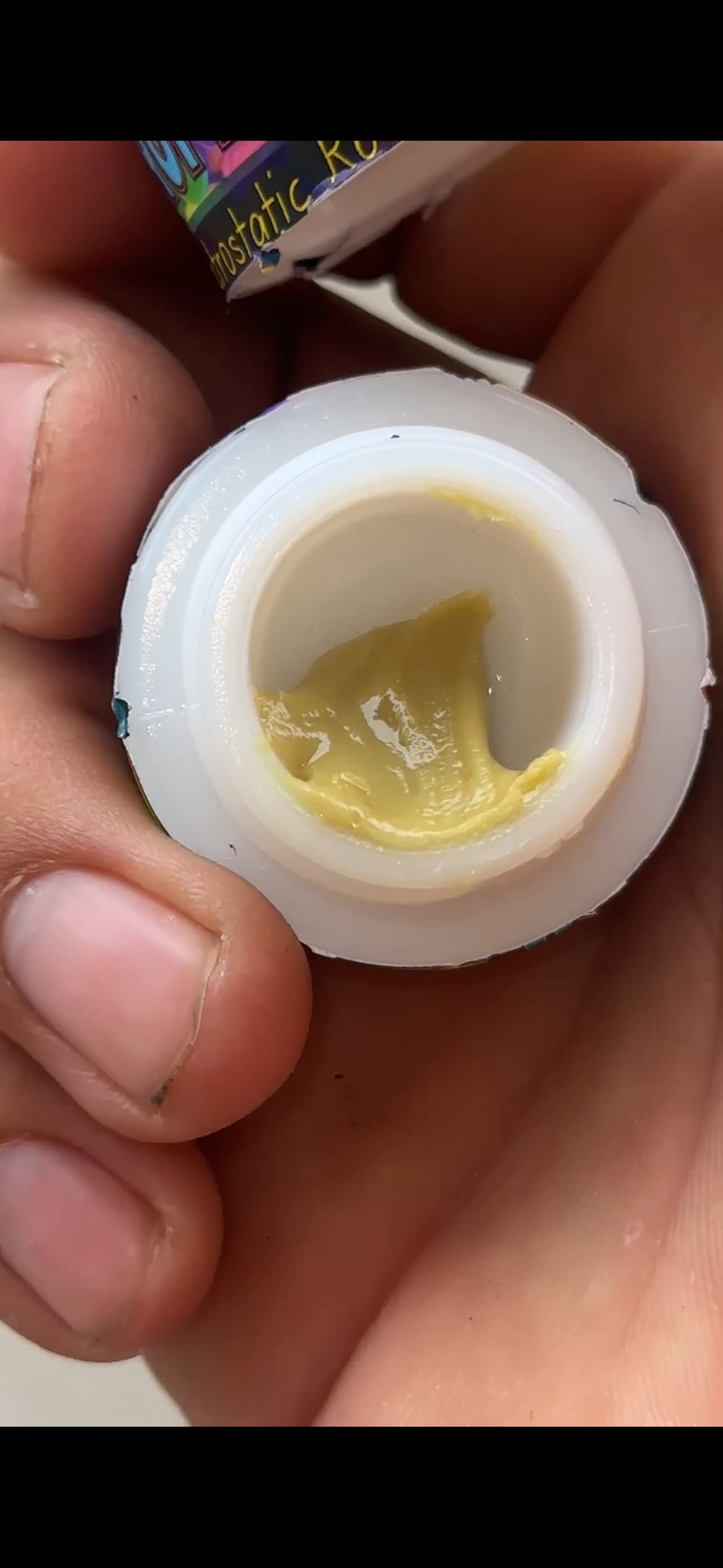
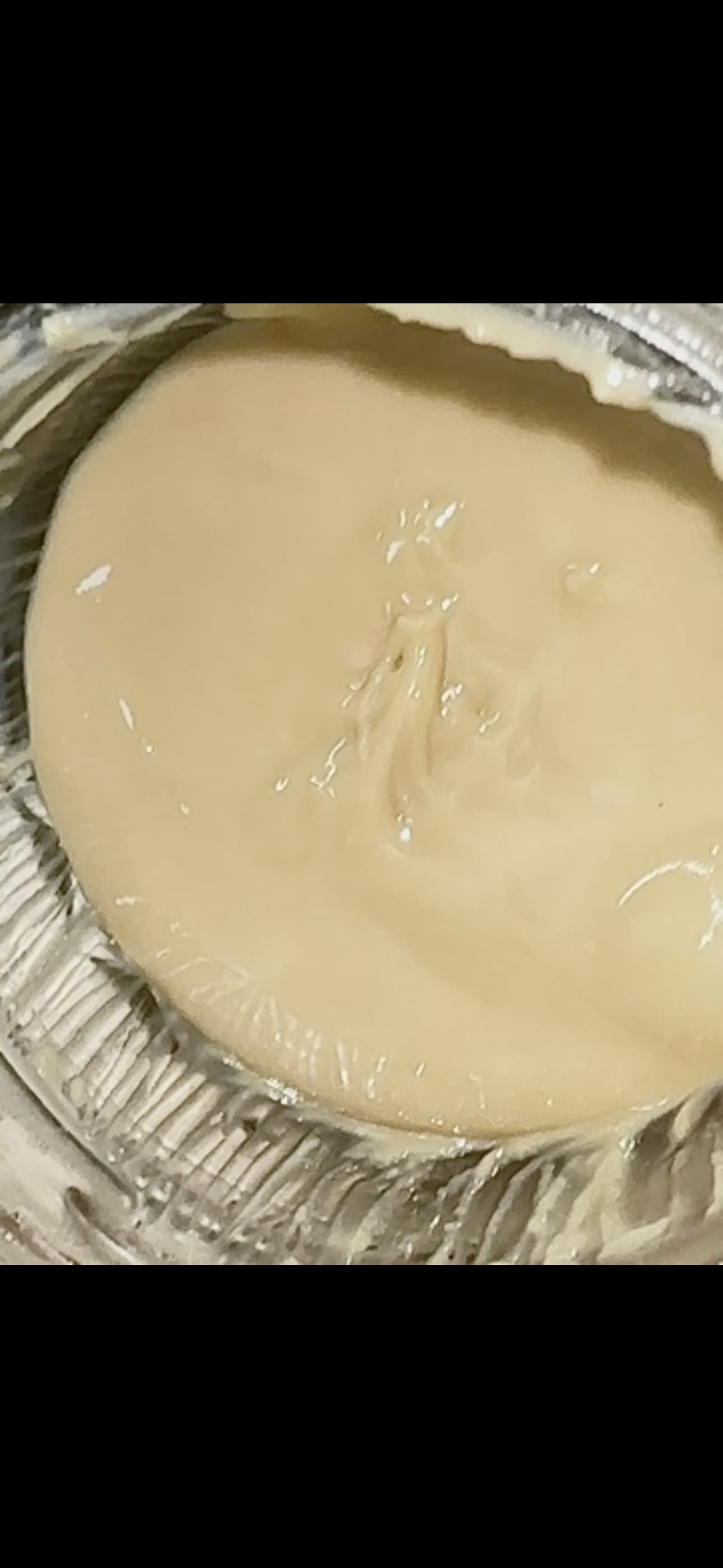
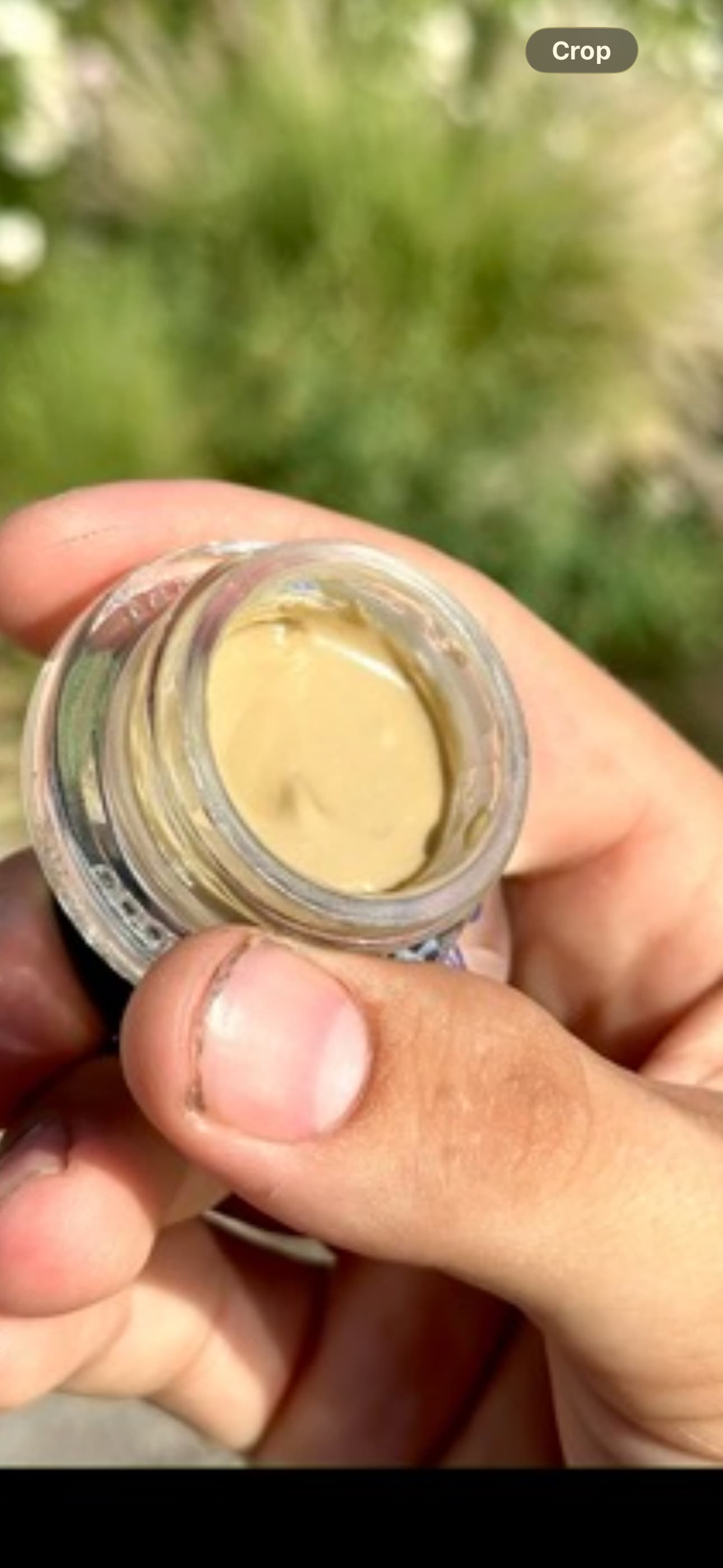
I can give comparisons all day it’s a matter of how well the person keeps the quality
1 Like
So that is all from one batch? What is the sift and what is the bubble? I appreciate you following through with some pictures. Any chance you can label them?
1 Like