Refrigerant For Jacketed Base?

On the extraction side (process), think of it as a refrigeration cycle with an extraction column after the expansion valve before the basin; which is in place of the evaporator. Auto-atomized solvent upon injection. Cold injection through depressurization during cycling. Theoretically unlimited solvent from a small amount that is cycled - time determines the ratio. Patented.

For our utility system we create both heat and cooling as needed throughout the system with the system from +50c to below -50c within minutes. This allowed us to ditch the power hungry heaters and chillers. It is a thermal control loop attached directly to the extraction loop and they work synergistically to maximize the efficiency of the system. Patent Pending.

It is an interesting rabbit hole to go down for sure, though, there are not many papers to follow. Our refrigeration method is a new take on the traditional system. The colder it gets, the less power it uses & the more enthalpy there is available per mass of refrigerant. Below -80c propane can take on an additional 123kj/kg of enthalpy. :exploding_head:

6 Likes

I gotta save up for a plane ticket to see this shit in action.

5 Likes

that thing exists but anything after would be making a chiller.

Sliding vane / rotary vane pumps are for liquid not vapor. They just move the liquid around and can build some pressure. Not really a refrigerator. They require input pressure and do not reduce the inlet pressure, only increases it.

We have officially received patent grant on my heating and refrigeration system and now I am pending for our evaporator-condenser that doesn’t use ancillary heating or cooling to both boil and condense solvent and is what drives the process side of our system. Not a single one of our current systems uses a water heater to operate. There’s still some old models floating around that uses the water heater but they could be upgraded.

I also have a terpene isolation patent pending as well. Really cool stuff. Single solvent isolated either before extracting the bio or afterwards by pulling the terps from the extract in the basin prior to final recovery or prior to CRC. When you use bio to pull the terps you can stop halfway through and pull the sock out and it smells like hay so you know you got all the terpenes out of the bio. Then you switch over and pull all the cannabinoids.

That I would send to our ISS crystallization station so that way I could isolate the THCA or CBDA or other acidic molecules in the solvent stream before sending the rest of the product to the recovery basin. Now what comes out of the machine is pure isolated terpenes, pure isolated acidic cannabinoids, and then your HTE with your neutral cannabinoids and flavonoids & pigments.

4 Likes

Is it automagic yet?

2 Likes

…almost…

That is next up on the roster. Full Automation but with CONTROL!

Good luck.

Process control is a long hill to climb - I’ve probably got a couple thousand hours into the automation on our system.

ISA18/88/95/106 are good places to start if you want to do it right.

4 Likes

could possibly retrofit and reprogram for the chiller?

1 Like

Yeah I do not expect it to be easy. I have my own sensors that need to be created so the AI system can then control the actual output.

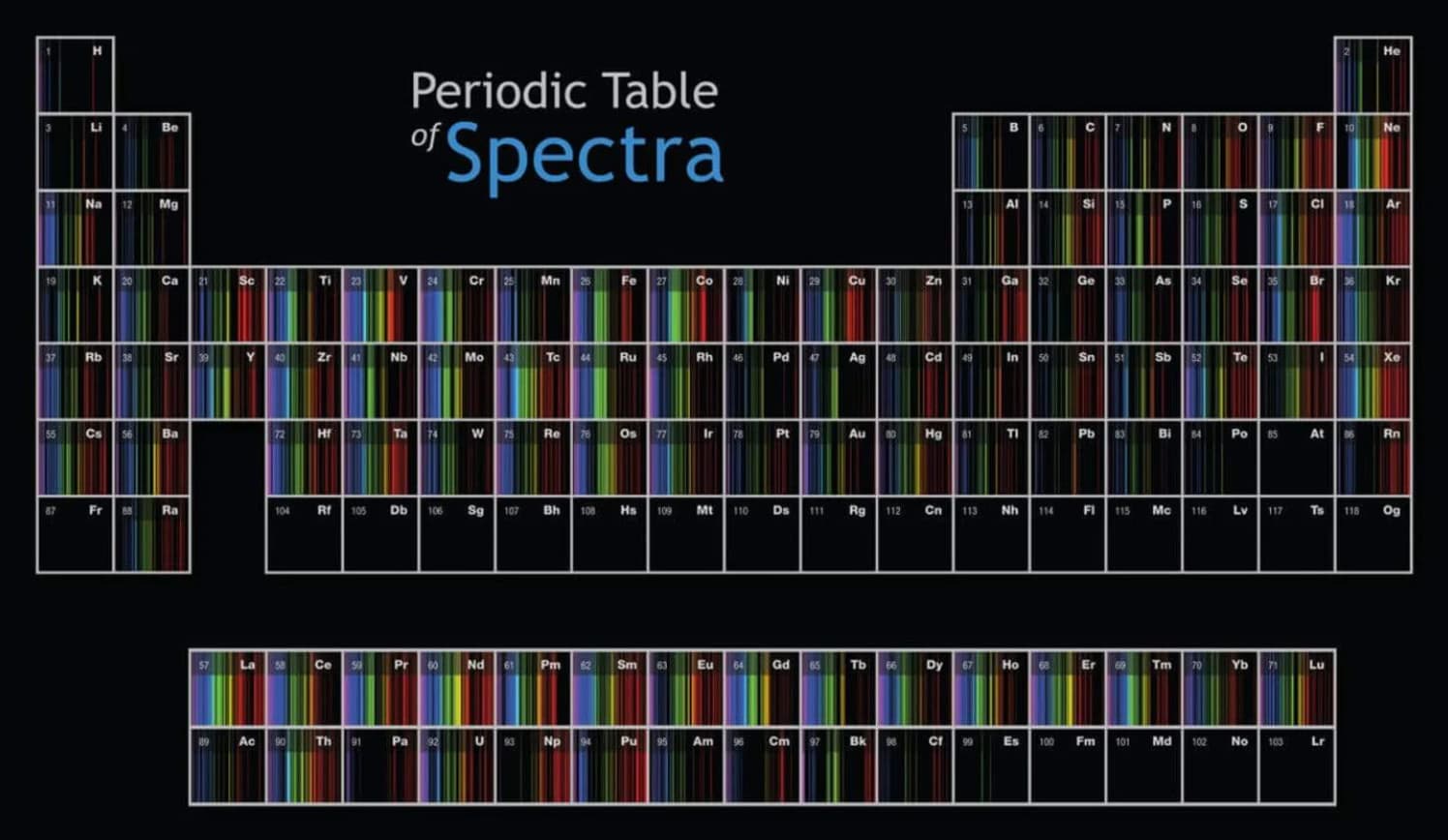
The prototypes work great for their purpose, just like looking at far away planets and galaxies to determine what they are made of (earth & atmosphere). There is the entire periodic table of elements in the visible absorbance spectra. All atoms have an absorbance spectra… Some have yet to be produced.

We can detect clean solvent, terpenes, flavanoids, cannabinoids, solvent saturation %, and many other products via absorbance detection. In the end, this is much more sensitive than fluorescence detection, which is sensitive to fluorescent molecules but not to other molecules (basically just shows impurities).

Our absorbance system still holds true to this day for distillation… I have since tested my technology with extraction as well and as expected; it works flawlessly with extraction just as it did with distillation.

The tech is very simple and proven in other industries. Like NASA or whoever decides what the atmosphere on other planets is. Its the exact same concept except applied to a local extraction model.

So we have a local example, what could possibly be in the mixture, which then could be used to decide what CRC media is used, and then finally confirmed at the CRC outlet to verify the absorbance spectra.

I intend to put one on the incoming solvent to live-calibrate the other two sensors, which are placed after the extraction column otw to the work basin and one after CRC otw to the purge basin. Then we can remove the solvent from the other two sensors, which the solvent can change over the run if terpenes get recovered at any point along with your extraction solvent (co-distillation) which definitely happens more at lower pressures than higher pressures.

I think with enough data, we can predict what CRC media would be needed and then confirmed that there was enough media / verify how well it did with the final CRC sensor. This data would all get fed into the AI to help train the model further. Then over time we can predict the media and amount based on the input bio / product in the work basin.

1 Like

After the arometrix debacle I’m gonna have to see a lot of data and play with one of those myself before I believe it.

I seem to remember reaching out to try to get my hands on one some time ago and never got a response.

1 Like

It has been a shitty series of events. We had a sensor before they did, but they pretty much ran a smear campaign against us so the only sensor people ever bought was theirs. We have a few floating about but it never took off.

I have used them personally since the disty sensor for just about everything. I am sorry to hear there was a disconnect in our communication, I am happy to get users on the unit. However, I am looking at revamping the system a little and making a new revision for the next release.

If you want to work together a little on the development of the new model I would be down… It is mostly on the AI side of things that needs a ton of data to train it properly.

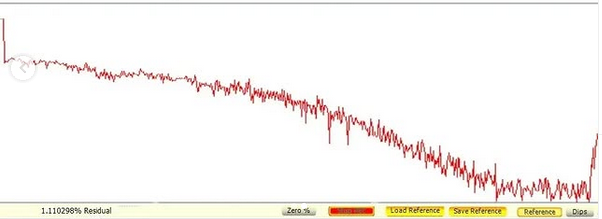
This is how I found our extraction time @ our ratio was by watching the absorbance of light through our solvent over time.

https://www.instagram.com/illuminated_extractors/p/ChQvOanOPQg/?img_index=1

Not necessarily, if your data scientist is worth their salt.

In a previous life I built analytical models for predicting valve and pipeline failures for natural gas companies. It can take a lot less data than you think if you’re using the right analytical tool for the job.

Here’s a free spoon: a neural network probably isn’t the right tool.

I might be willing to give a hand on that part of it, if I can validate that it works and I think it’s worth attaching my name to.

2 Likes

Yeah, I was dumb enough to ask arometrix if they could set up their sensor to enable this trick on the Ace30 many moons ago.

Happy to act as a data gathering resource…can only aspire to @Lincoln20XX’s level of mechatronics wizardry…but I’m workin on it.

2 Likes

Not so easily done with fluorescence…
Very easily done with absorbance… (Beer-Lambert Law)

Since the source light is traveling through the sensor and product onto the detector, if the detector is sensitive enough, will see changes in air quality as well as changes in anything passed across the sensor.

Simply start with a baseline zero of the sensor housing and then anything you put in it becomes a sample… OR you can zero with solvent in the sensor, which removes the solvent from your reading and then your just looking at the extract.

With fluorescence however, you are instead introducing light typically 90 degrees to the sensor so all the sensor sees is the glow of the product if it has fluorescent molecules, otherwise it should remain at baseline zero.

Oh I bet they tried to make it work but with such limited data it just wasn’t possible or reliable. Before I settled on using absorbance detection I considered using fluorescence but the problem was not all molecules fluoresce, but all molecules absorb light. So it was pretty obvious which system was the optimum choice for the project.