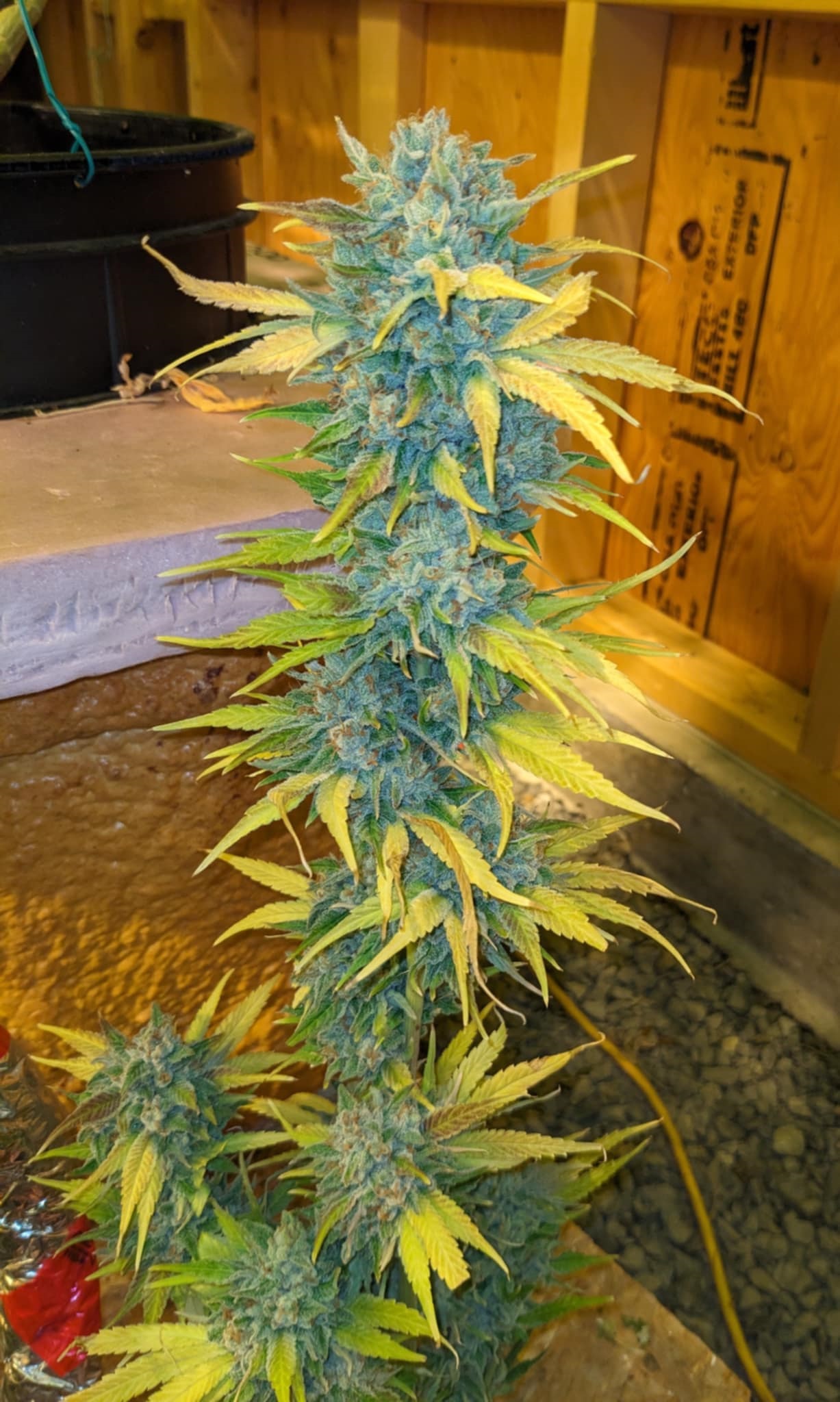
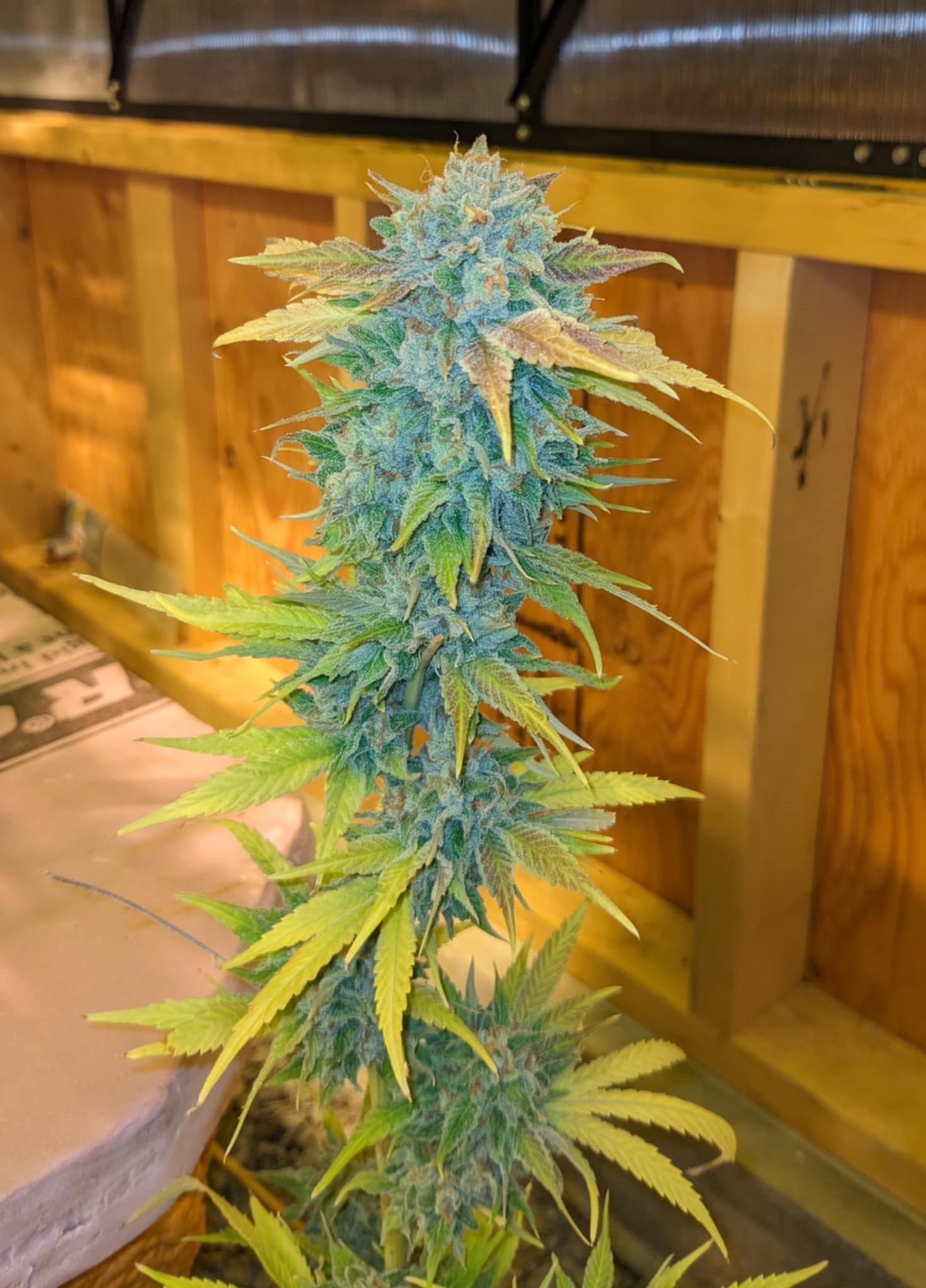
Harvested my first Gorilla G Lemon (GG#4 x Super Lemon Haze). Can’t say there’s much for lemon terps but it’s still looking and smelling nice. Excited to try it out. First finisher is also the heaviest, I’ll wait until I try the other two phenos but this one looks like the keeper so far.

8 Likes
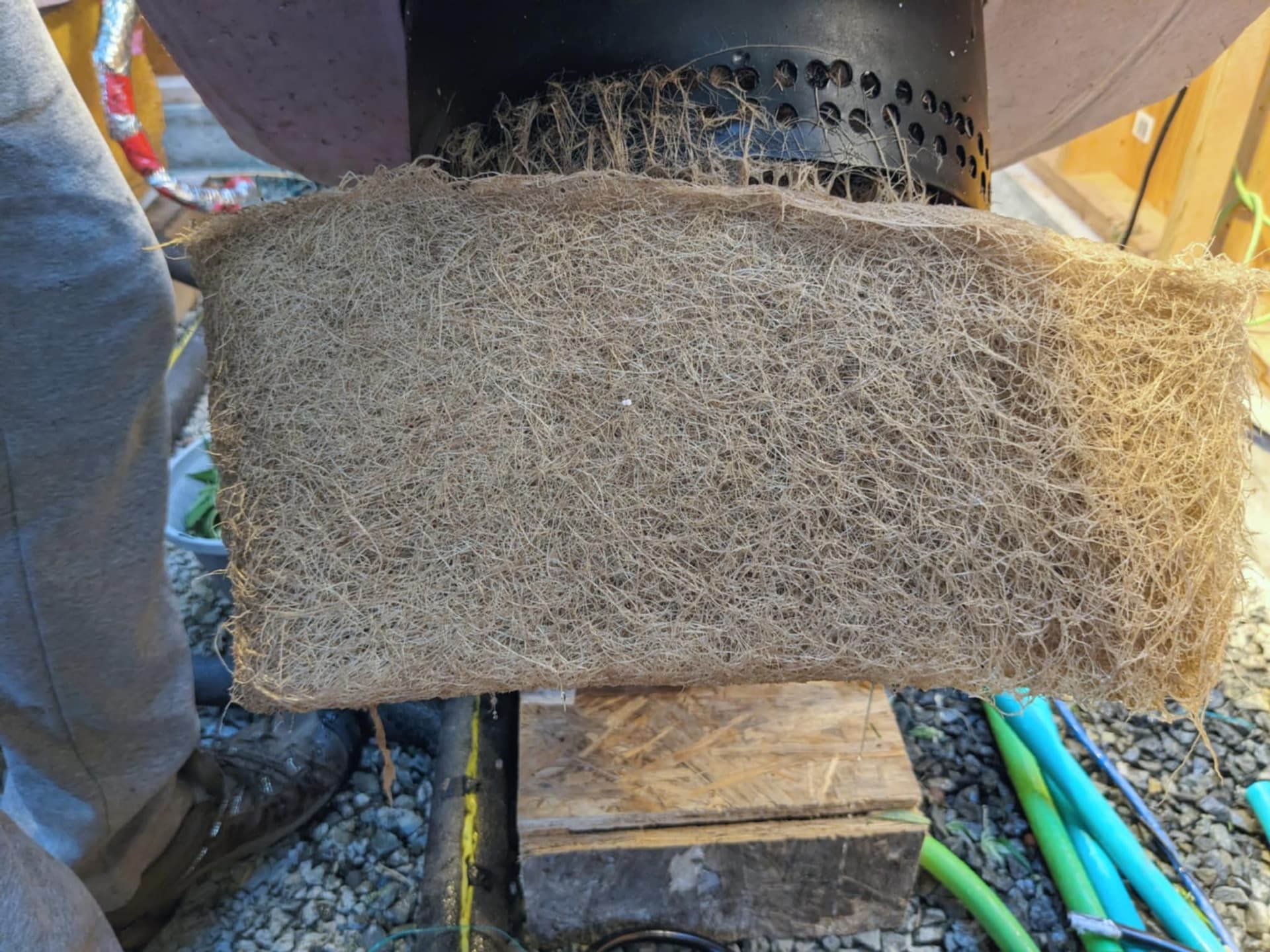
The roots become the media. These containers ended up being a bit too small, no rot though even though it’s very dense. I’d like to try lifting the roots before flip and doing a little aeroponic zone with a misting nozzle above the waterline.
I’m using fungi perfecti bennies from years ago, surprisingly still active. They don’t make them any more though so I’m trying to find another soluble product. Great White is twice the price but seems to fit the bill, hopefully it works as well, have to keep away the dreaded cyanobacteria, that stuff is insane.
3 Likes
Some king crab & orca would work you wonders
I don’t know much of anything about all these endo and ecto bacteria and fungi. Great white looked like it had a long list of it so I figured a few of those must like the aquatic environment and keep the cyano away. It doesn’t have everything from the current product I use though so I’m hoping one of those isn’t the key.
Can’t figure out why I’d want Orca or King Crab over Great White or visa versa? Not much detail on their website, they’re all “cutting edge” products.
I’m also curious about streptomyces, saw it mentioned here a couple times. Why isn’t it in any of these blended beneficial products? I live in the BC rainforest so I’m tempted to just make some tea from the forest floor as I’ve also seen mentioned here, but don’t want to get any pathogens.
Any no green tax products out there like the Mycogrow from Fungi Perfecti that I’m running out of? They stopped making it because of regulatory BS.
If I can’t find anything made for DWC or another big shitmix I’ll probably just go with the Great White, something in there must work, hopefully.
Interesting article about streptomyces here:
Streptomyces: implications and interactions in plant growth promotion - PMC
Comparison of Great White, Orca, King Crab, and MycoGrow ingredients:

1 Like
So you don’t need to use as much and if you’re in DWC the liquid microbes will be a easier application to put into a regimen and they rinse away easier opposed to the staining that can happen from the great white powder itself. Or were you thinking granules
1 Like
I was gonna get the powder, similar to what I’ve been using I guess but without the kelp/B1/humic/clay.
I don’t need the humic or clay but it doesn’t bother me either. I also add kelp regardless, not too worried about staining. My res water is always brown.
The forest floor tea has me enticed though, I get that serious petrichor/goesmin smell when it rains here, must be lots of streptomyces/actinomyces in the soil.
This tidbit from the link I posted makes me think it would work for DWC too, and not just help defend the plants but also possibly improve growth.
“The overall adaptive traits of the Streptomyces genus which make it possible to exist in a wide range of both aquatic and terrestrial environments can be attributed to the formation of spores.”
1 Like
So even in soil I was using both orca on top of the powder and king Krab added once per week, but orca and powder every feeding, running large pots and bed. My growth rates were ridiculously fast, every week I could clone a thousand clones off my plants I had running no problem. I also preach using @AgTonik agt-50 and I’m gonna try out some new products they have to see how well they can get out plants back to performing. I can’t thank those guys enough for what they’ve done for this community and improving all our growth regimens. They really are the best tonik for your chronik
2 Likes
Looks like a lot of the stuff in the Orca and King Crab is already in the Great White, of course it can’t hurt to double up.
@CaptTigerpants @coop Just tagging the folks I’ve seen mention streptomyces.
I’m also on the tonik, though I didn’t get it till about week 2 of flower, those bonus organic acids just in time for terps at least. Before that I was running the Raw NPK full up powder. Seems like good stuff.
I don’t have much to compare to, I’m a bit of a lone wolf out here with the DWC, but to me the growth rate seems astounding.
I’ll do a little photo dump of my greenhouse veg. Lots of supercropping and cutbacks, they grew faster than I remembered and threatened to get away on me. I cut down my black gorilla (right hand row in the middle) on July 28th. Feminized seed dropping pre-flower balls. Canopy filled in like it was never gone.
June 30th:
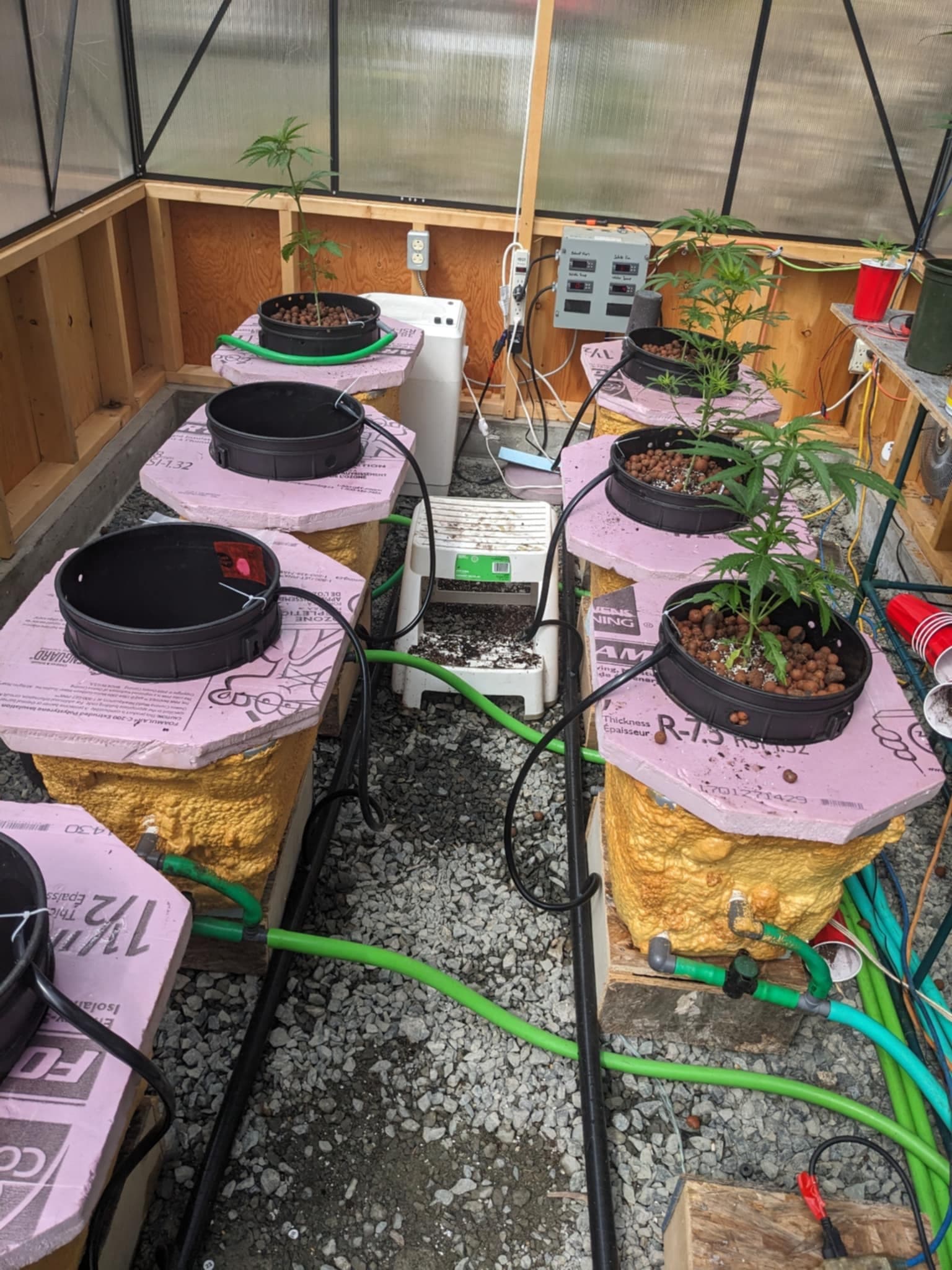
July 9th:
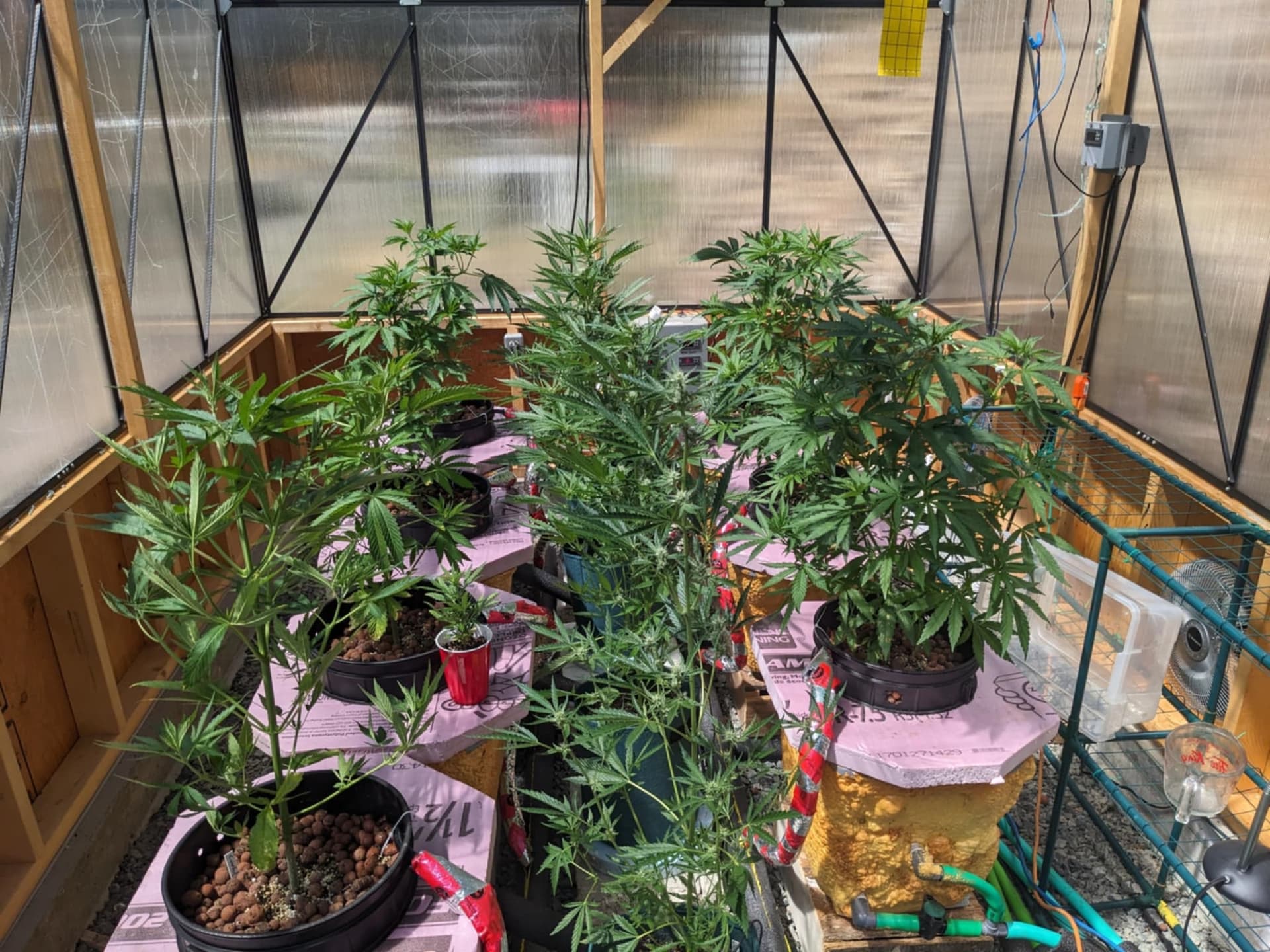
July 18th:

July 27th:
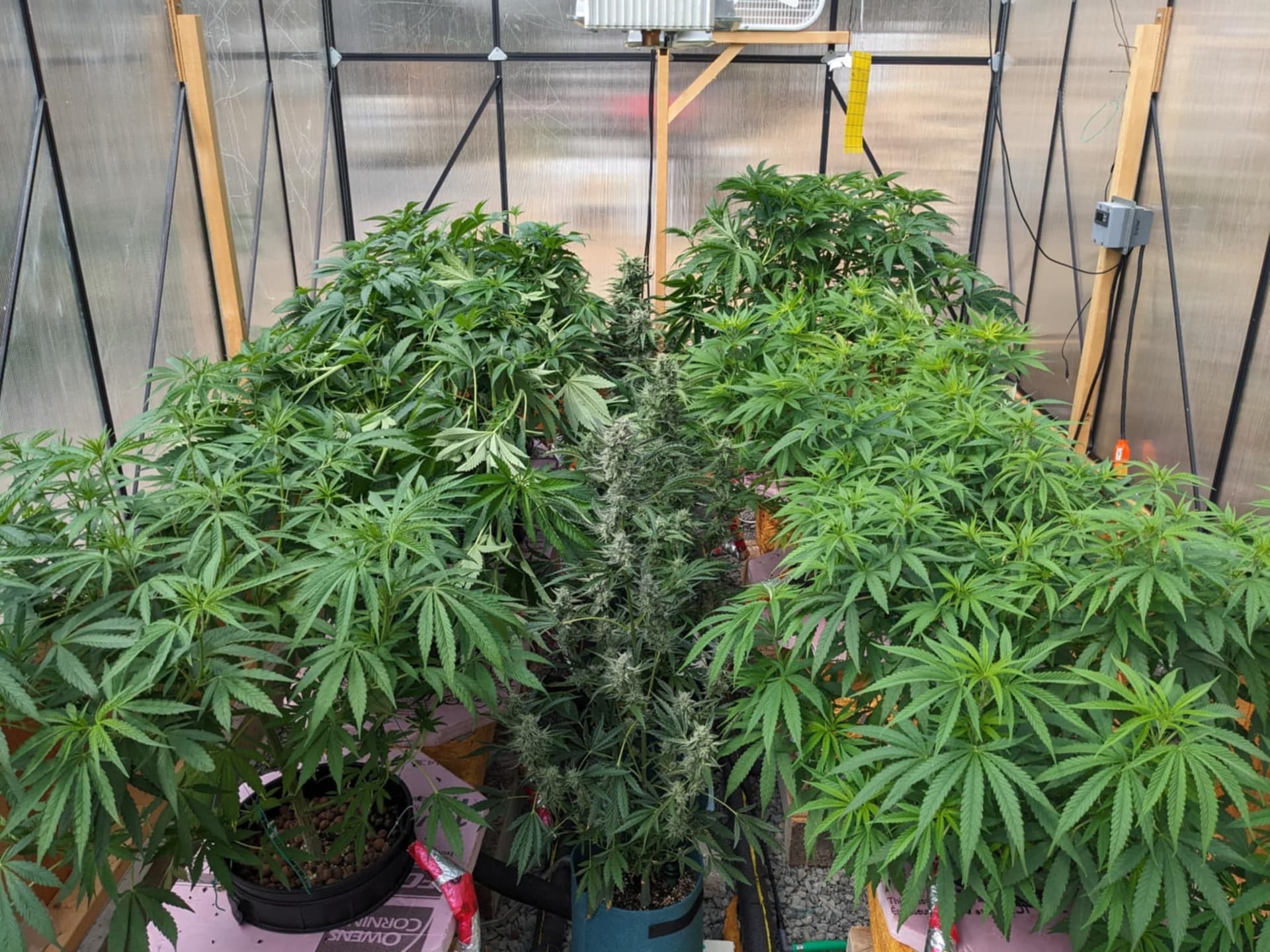

August 3rd: Roots already getting thick 
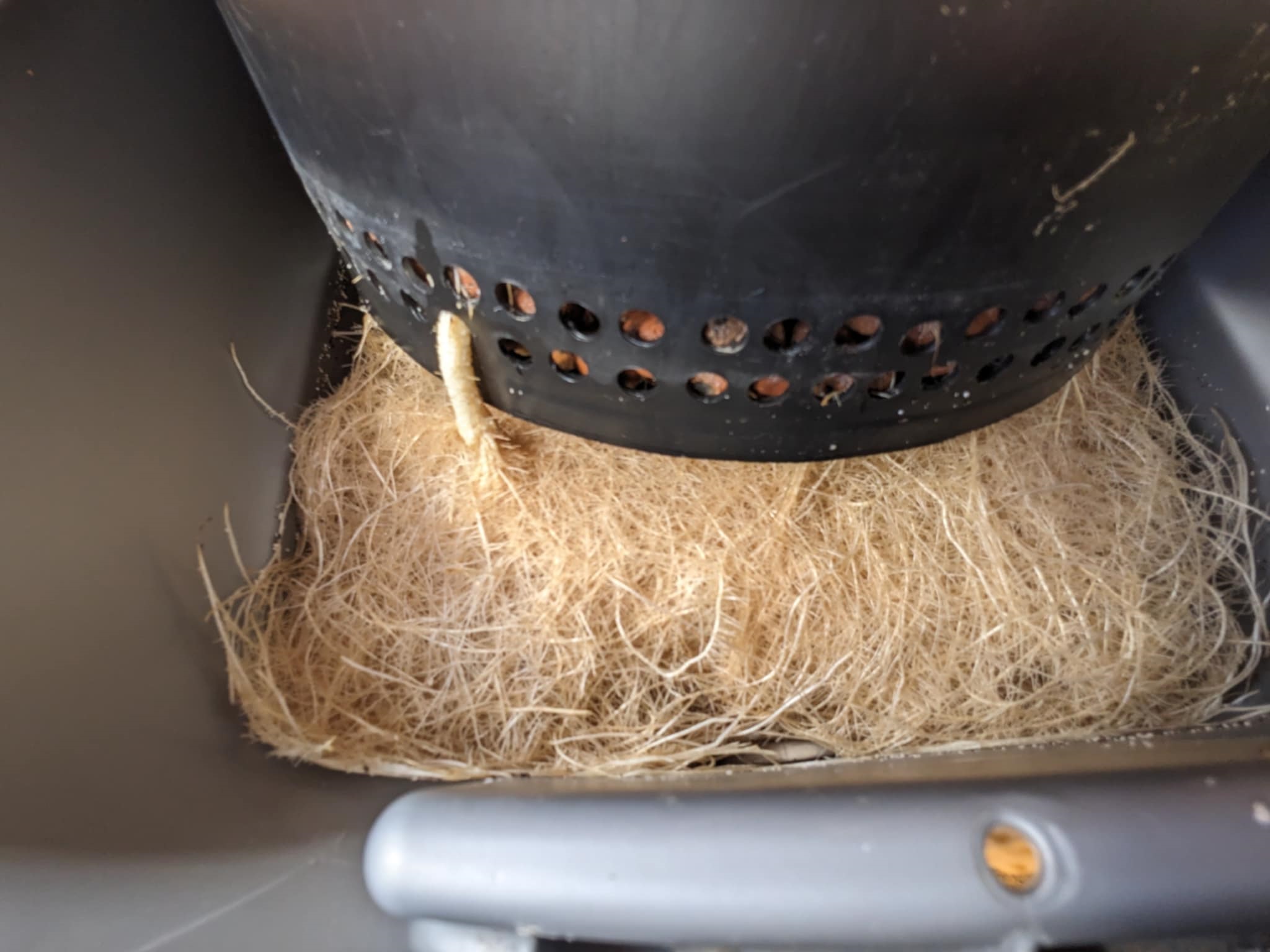
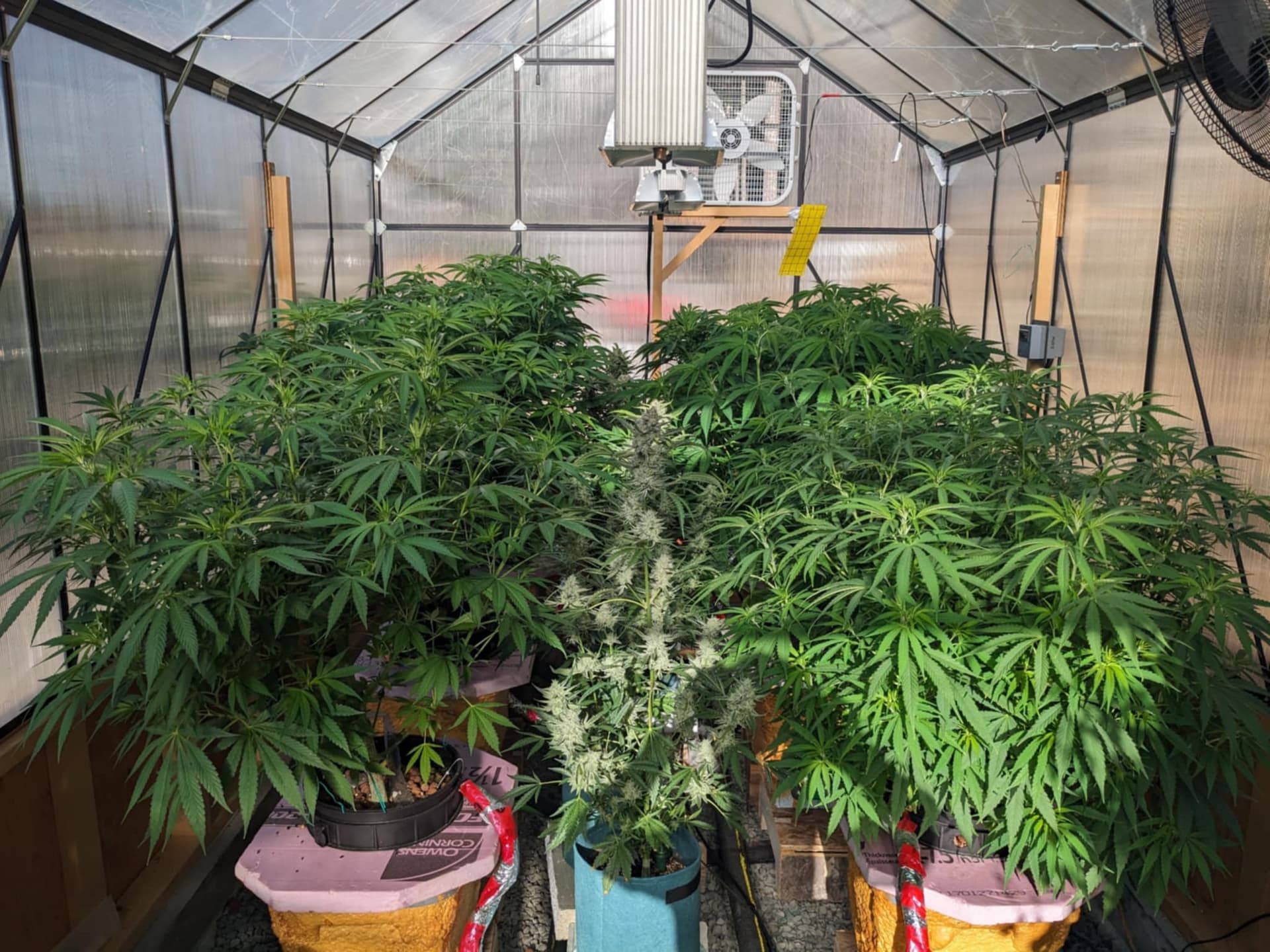
August 9th:
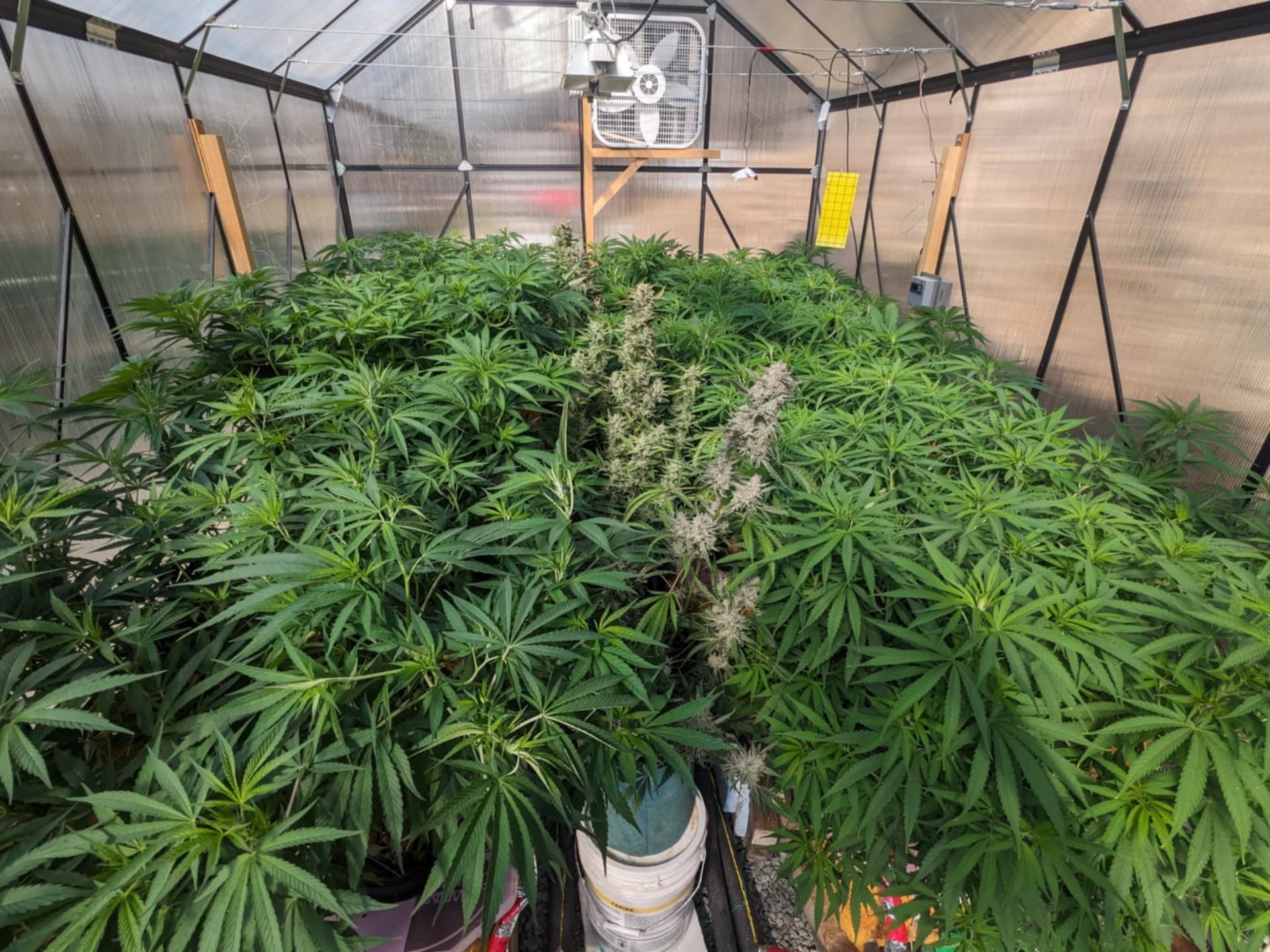
August 17th:
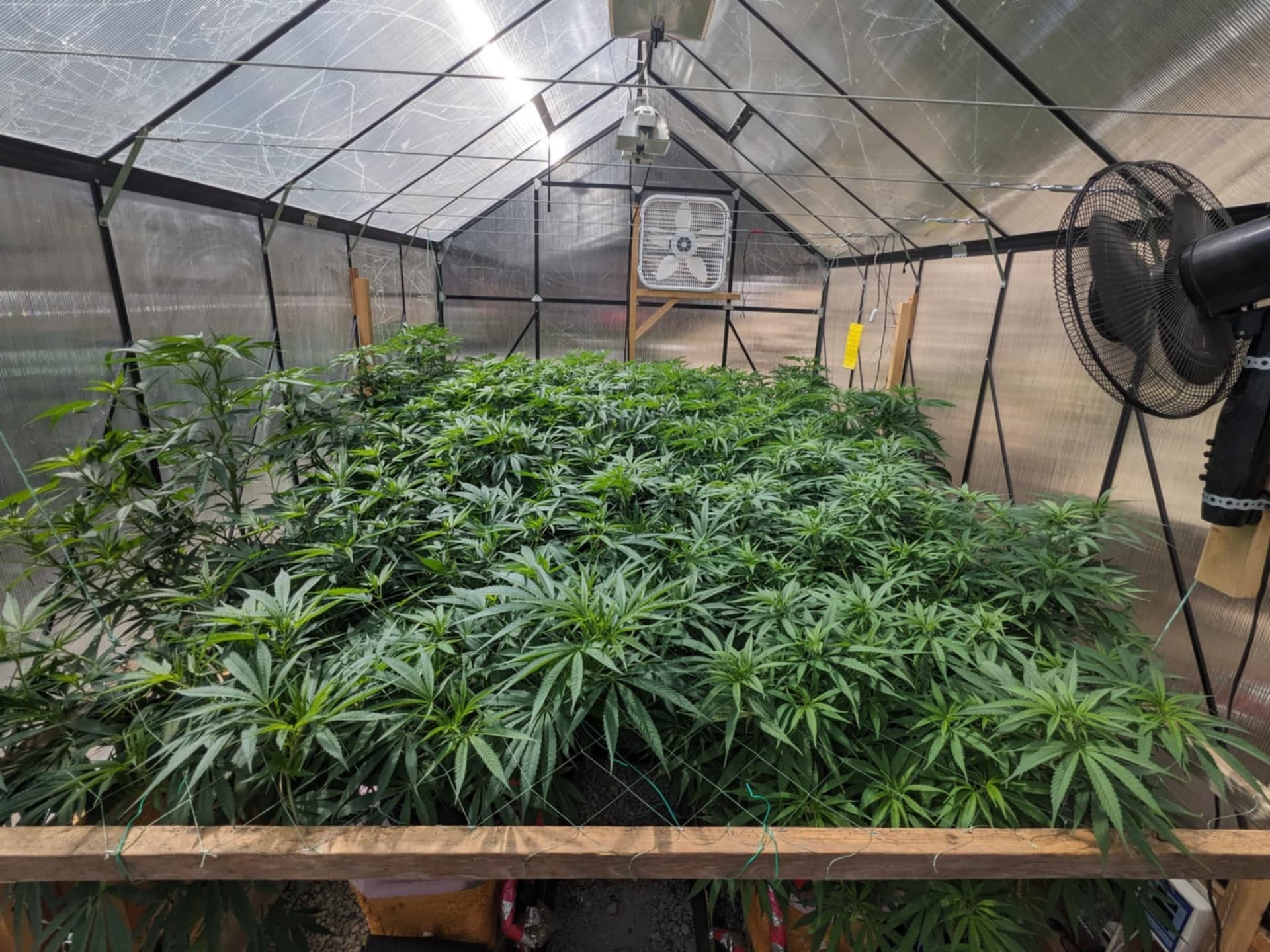
5 Likes
Next pheno up to finish, gonna leave it for a few more days on the flush. Got some fan leaf and petiole trichs, never a bad sign. Running 0.35EC with 0.8ml/gal Mr. Fulvic. 0.35EC pre-used watered down nutrients with 0-1ppm elemental nitrogen according to the nitrate test kit. Got them all on this now except the Cherry Lemonade #1. Mbag also isn’t finished but is flushing because I’m starting to see some hermie action, too bad, smelled nice, was somewhat expected but wanted to have some fun with it.
Any info on keeping the isotonic pressure up compared to straight water during flush helping with end product? I’ve only ever done the old school straight water, but now that I know my nitrate depletes like this I can just kinda leave some watered down version of nutes in there with no nitrate. Trying it out anyway.
Is it possible for a hermie to be infertile and not able to produce pollen? Maybe just too immature but the couple sacks I found on Mbag seem to be empty.
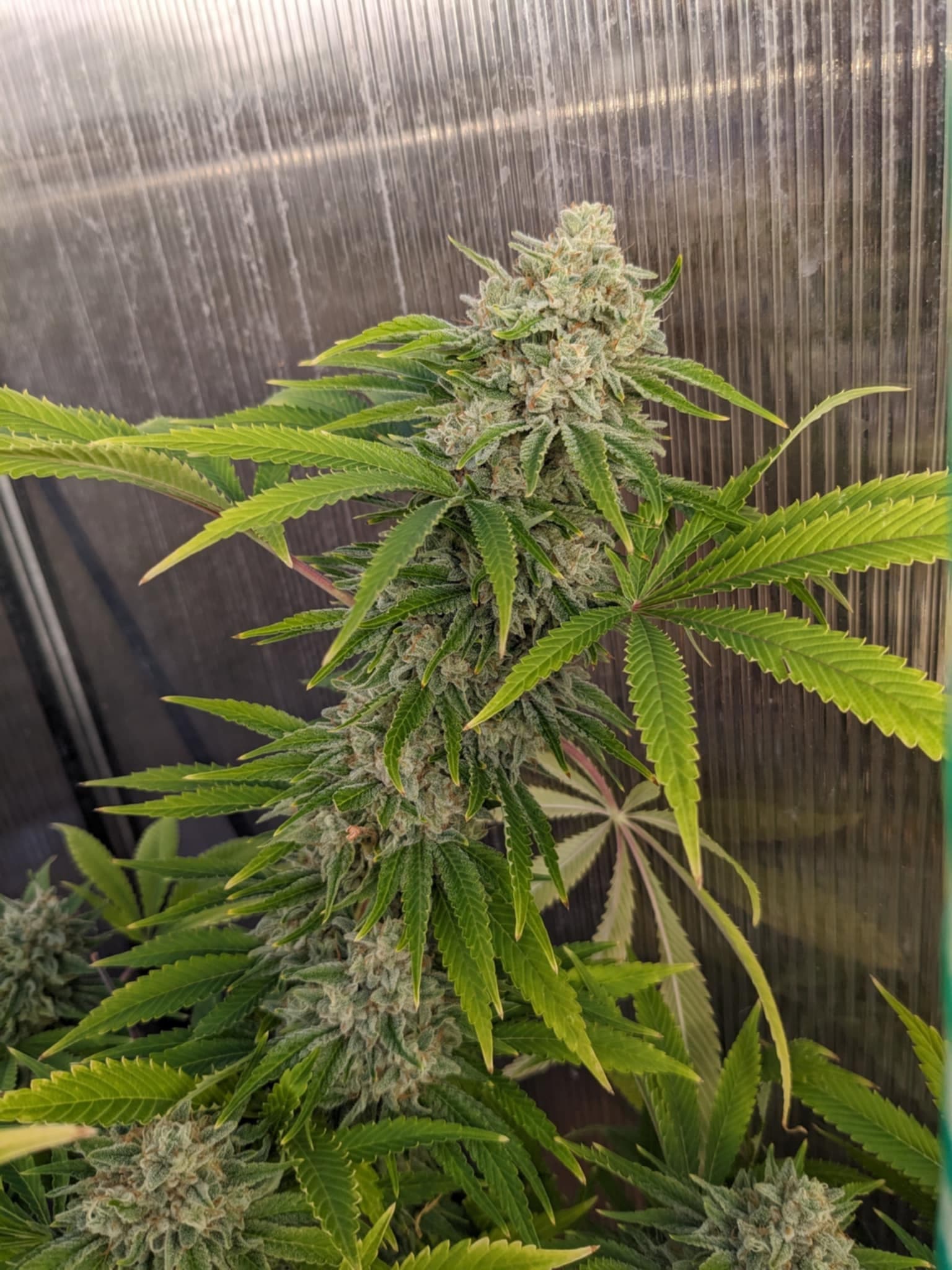

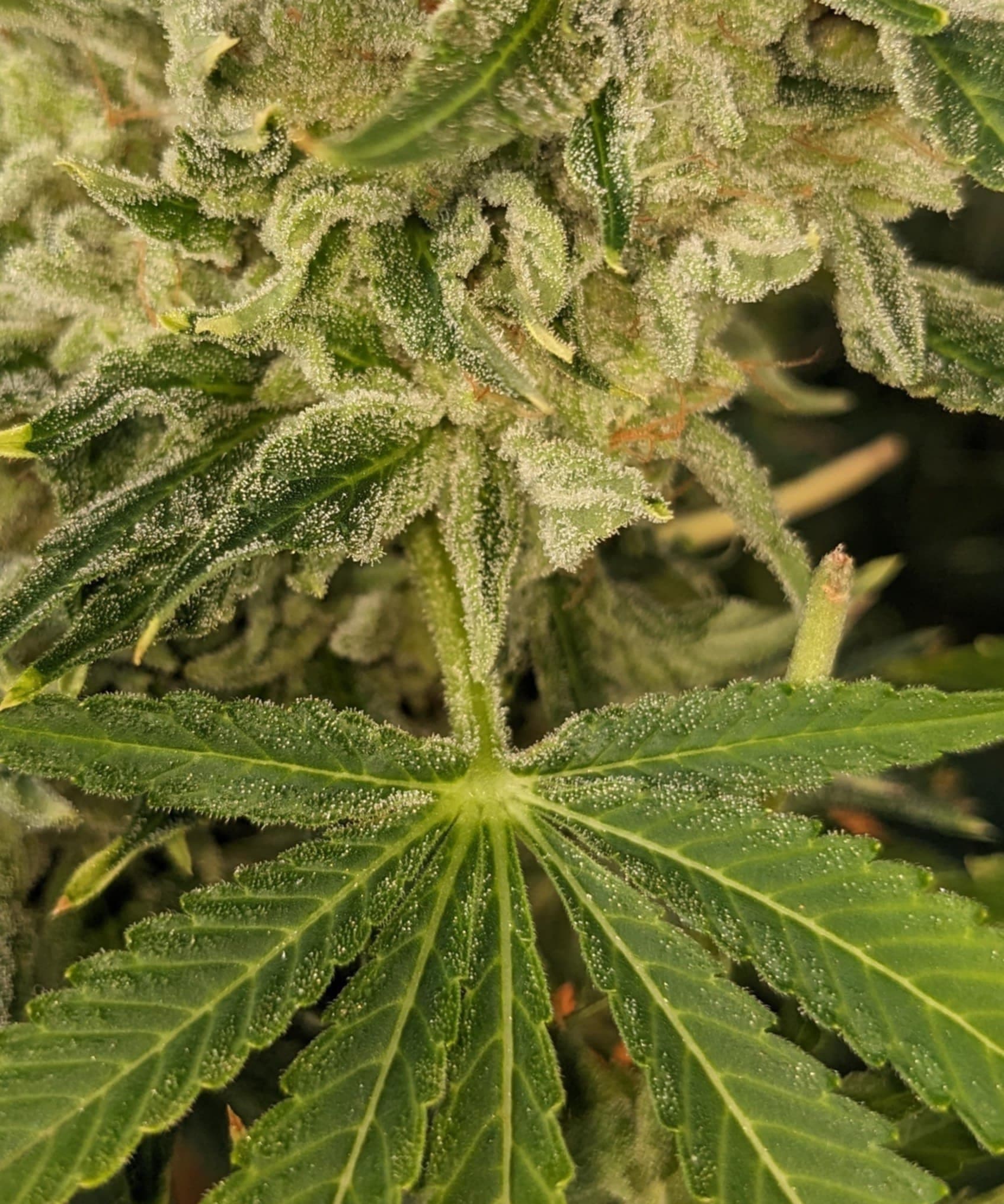
P.S. This bud was in my test spray area where I doubled up with the 2.5ml/gal Mr. Fulvic/potassium silicate foliar spray that caused some yellowing. Burnt the tips a bit in the long run but it looks like the nicest buds on the plant are all in that area, coincidence?

3 Likes
Lots of strains will make pollen that is unviable, hermie or not. It tends to be a much paler shade of yellow when sterile.
3 Likes
I guess I’ll found out when I start grinding it up. Doesn’t look like anything has been pollinated, but maybe there are a few seeds hiding.
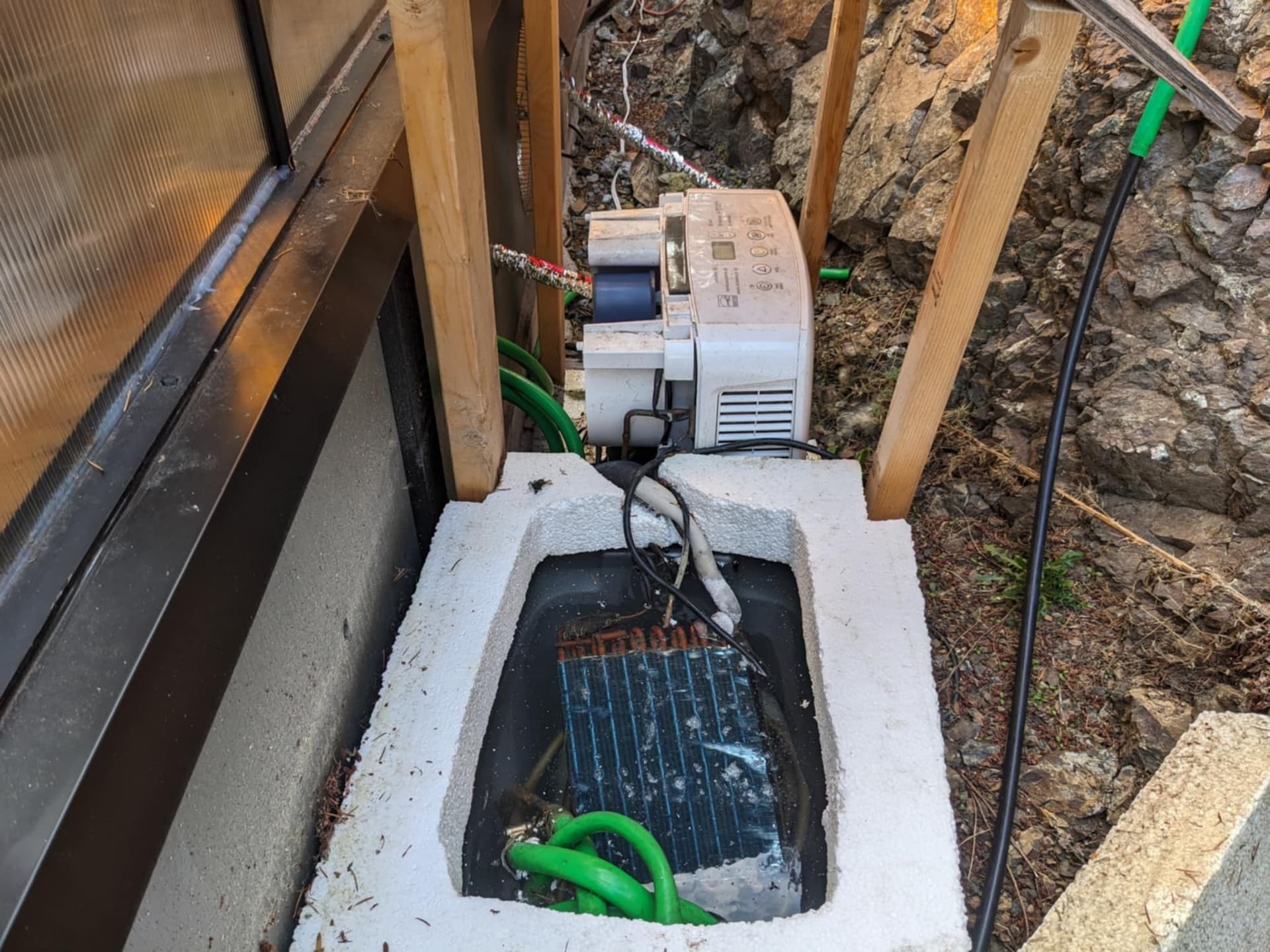
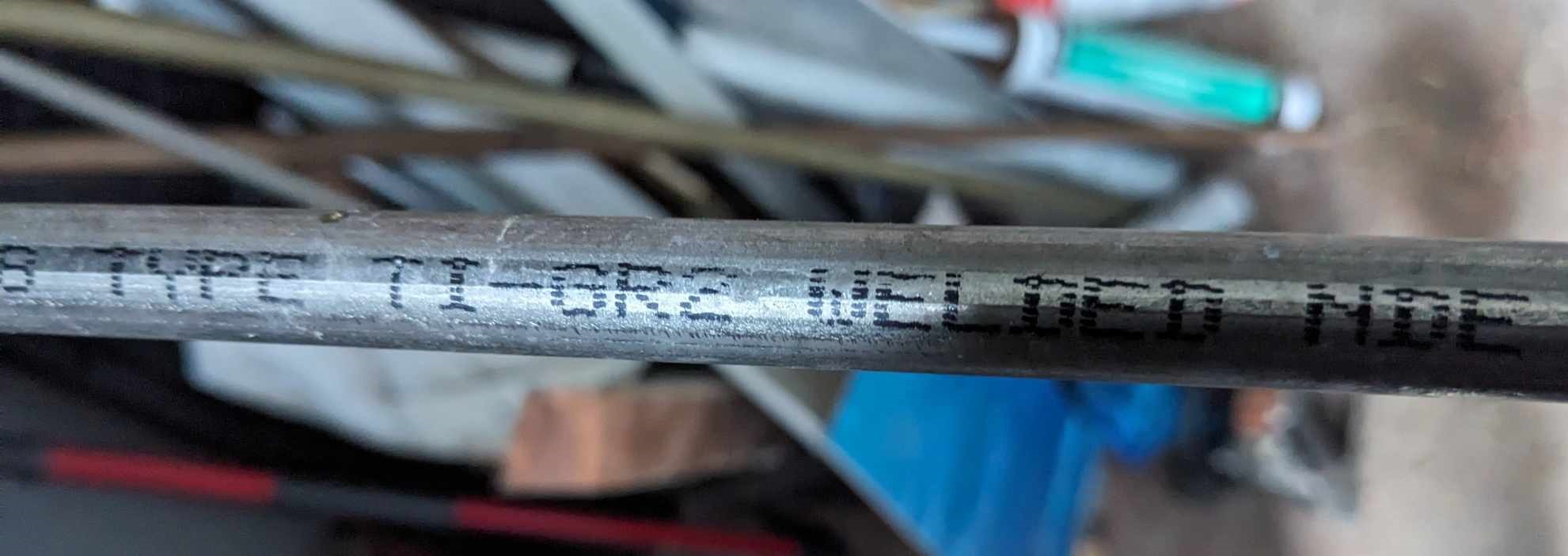
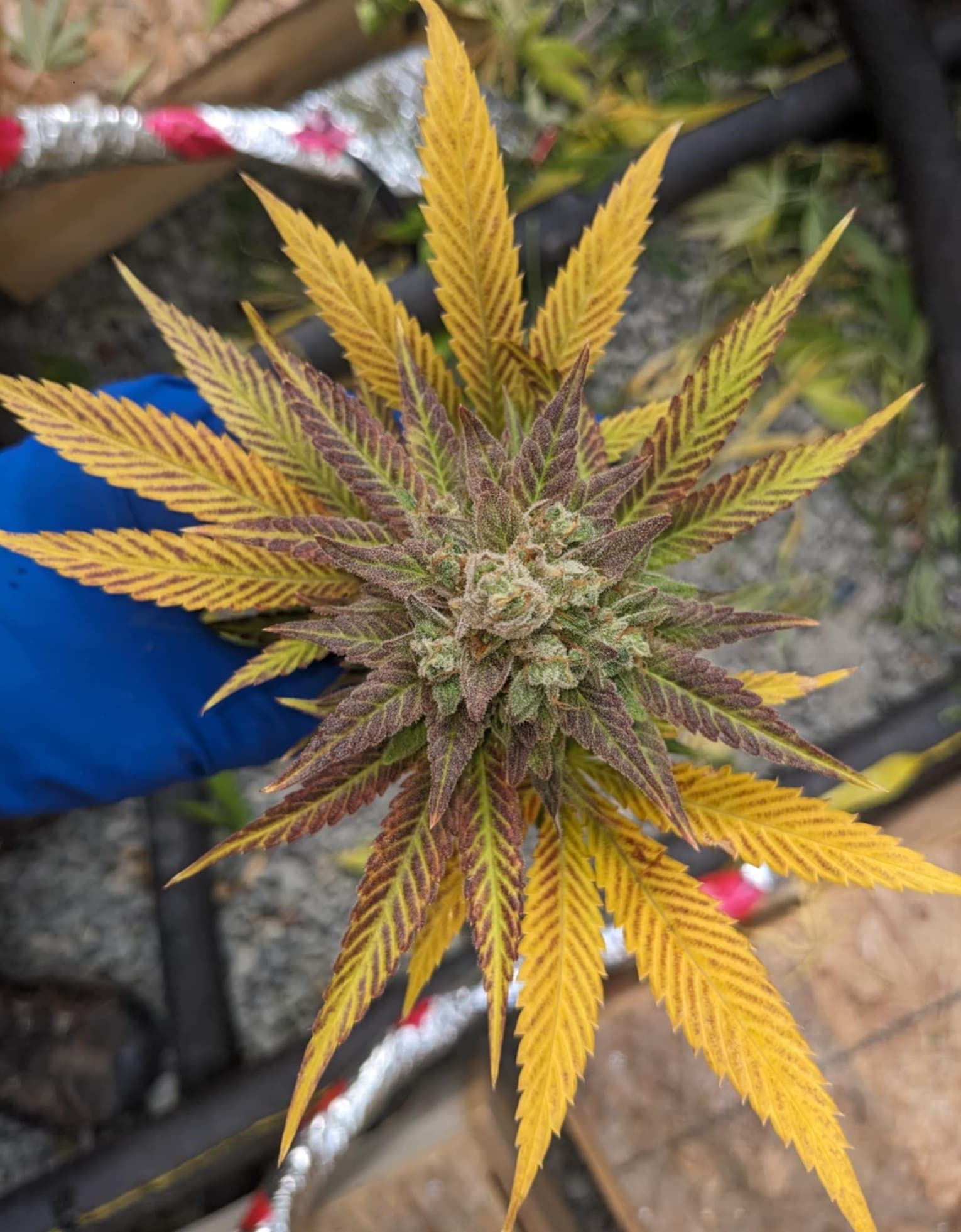
This second pheno is resisting my attempts to get some nice fall colours. Night temps are down to 14-15C, brought my water temp down to 17C. Still using my 10+ year old homemade chiller, I’ve never actually bought one. You can hack a 35 pint into a 1/2hp or a 70 pint into a 1hp chiller for a fraction of the price of a pre-made unit. Just open it up and separate the cold end, bend down into water bath with 5w pump for circulation, and then use some grade 2 titanium tubing in the chiller bath for thermal transfer. Can run multiple loops, either through the chiller bath, or pump chilled water to a titanium tube in a res, it’s less efficient but sometimes makes sense. Use an EMT bender to make the tubes fit. I use 4’ per 1/2 hp in the water bath. Get 4125 BTU/h measuring water temp input/output and flow with a 35pint dehumidifier.
4 Likes
emdub27:
“It’s is important to note that I arrive at certain ratios because I am a weirdo that blends the dark art of brix readings with the scientific method of tissue and sap analysis. I don’t care what the tissue analysis says, if it’s not 12+ brix, I’m unhappy.”
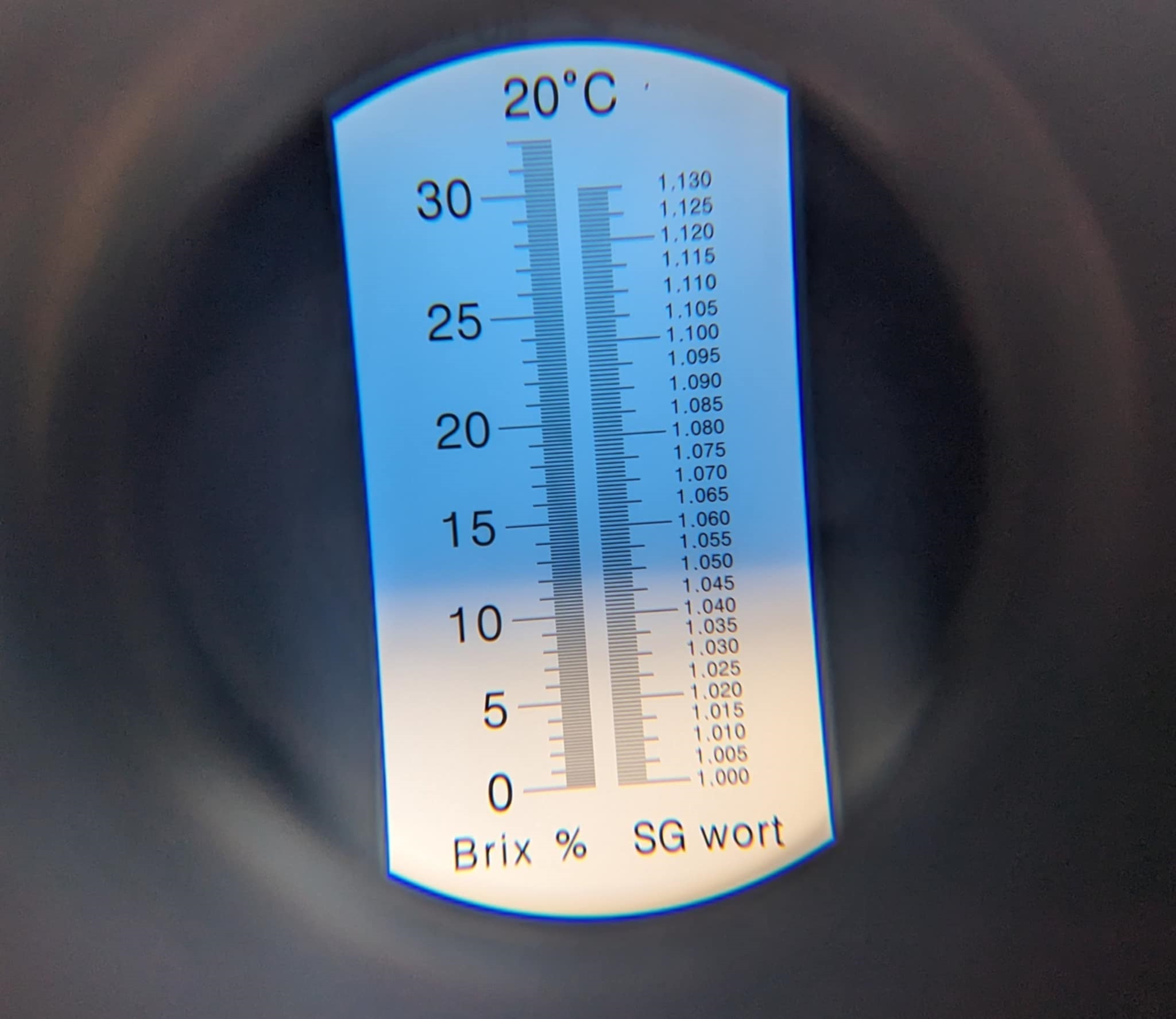
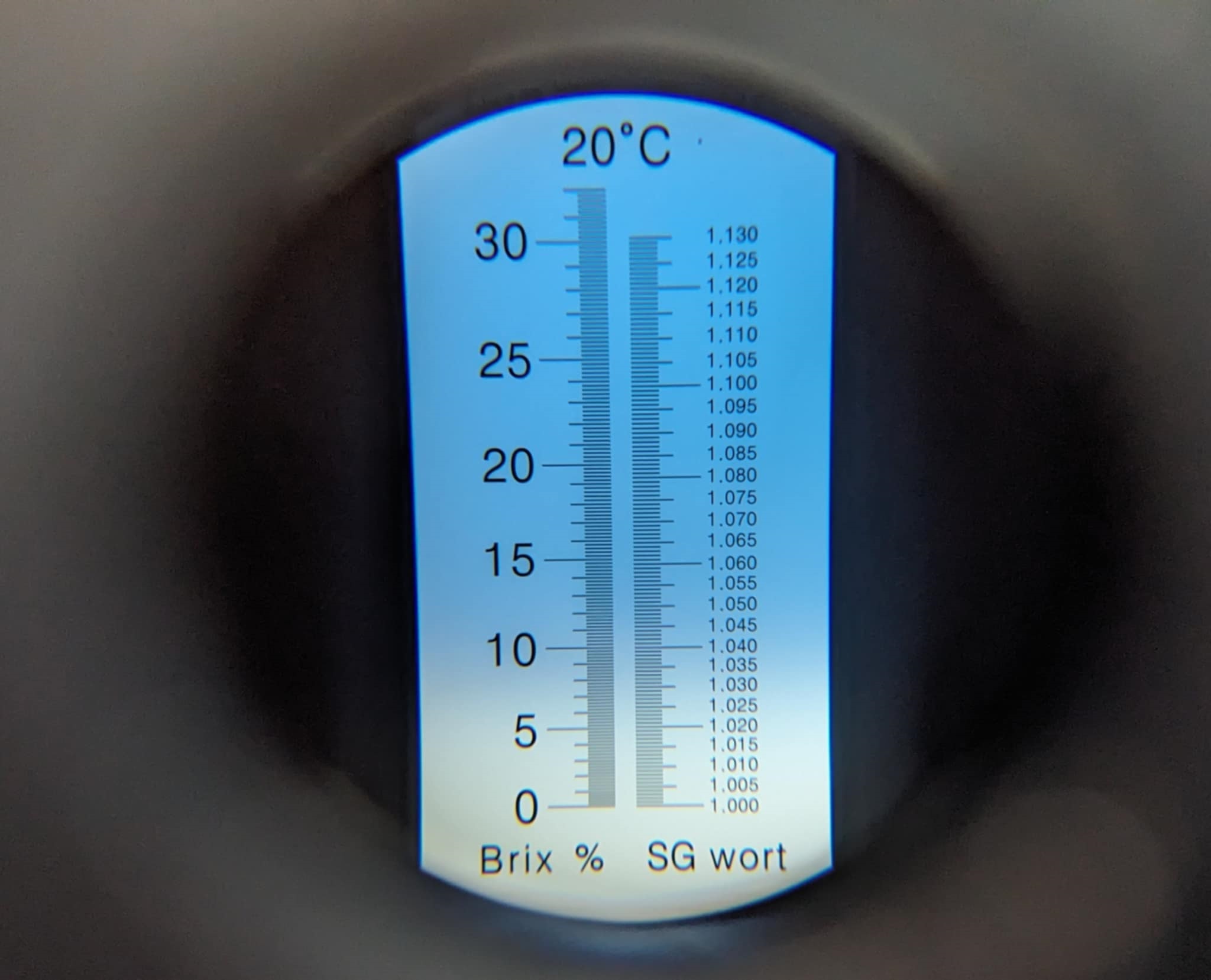
Been reading through a bunch more on this site trying to take it all in. Came across the above and it made me feel a little better at least. I’ve been toying with checking brix through this grow, but I haven’t been able to figure a consistent way to test. Old leaves, new leaves, leaves with more or less light, large leaves or small leaves, leaf and petiole ratio, time of day. If I was growing a single pheno and strain it would be a bit easier, but you can only take so many samples before you’ve removed as much foliage as you’d like to with 6 different plants. In the greenhouse I was losing control of the VPD on really hot days so that was also likely causing changes.
I was seeing anywhere from 4 brix on my nitrogen hog CL#1 plant that has virtually no smell, up to some nice looking numbers, but it would change daily, or even where I took the sample from. I also noticed that as I squeezed the sap out in the garlic press the first drops would read lower. After squeezing the garlic press further the drops coming out later are higher brix by 1-2 points.
The lower brix (4-7) was a milky green colour, while the higher brix (8+) was more of an amber colour.
I’m excited to get a more controlled and homogenous indoor crop going so I can try to wind my way through this dark art a little further.
If anyone else has some experience or info around taking consistent brix samples I’d love to hear it!
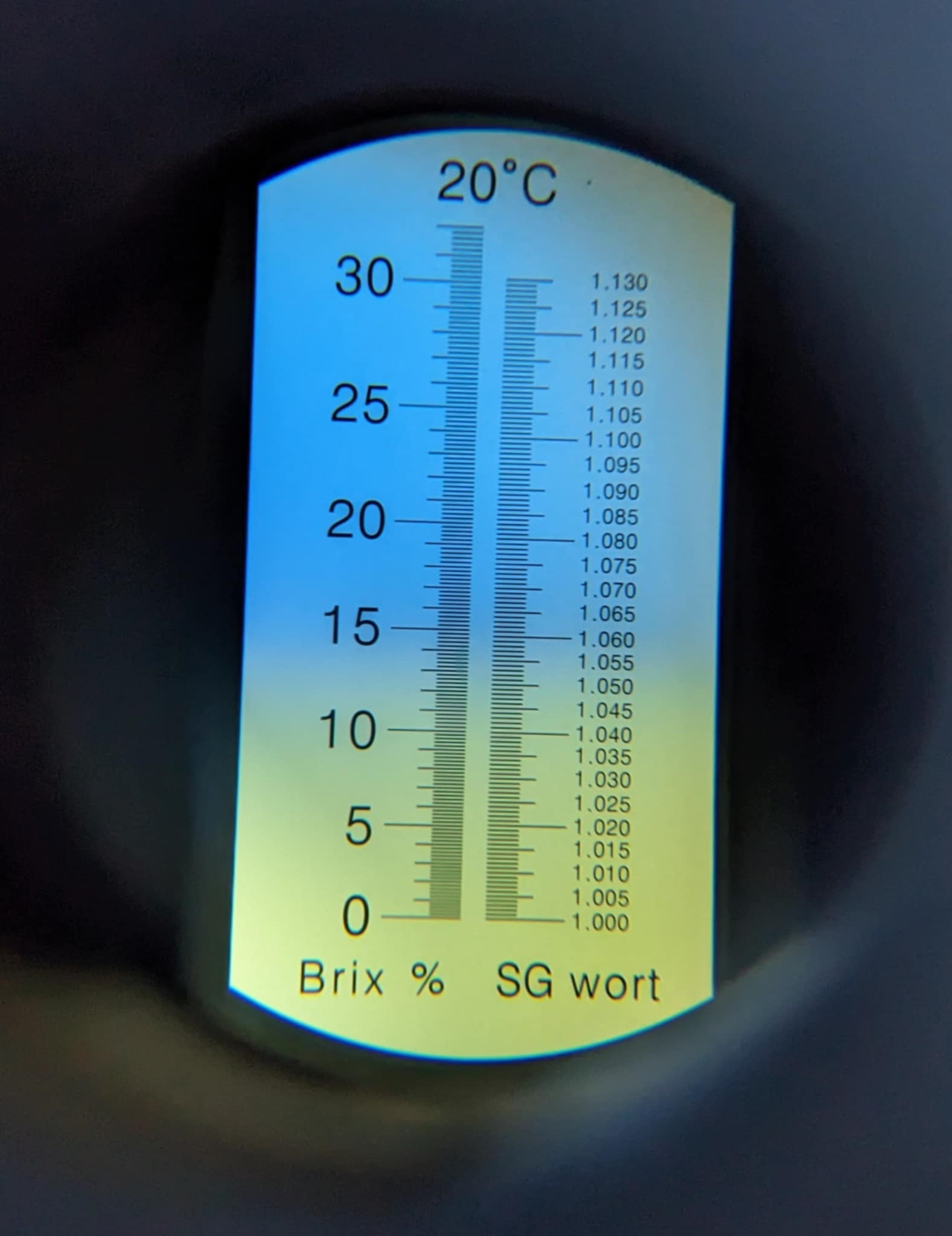


2 Likes
I thought GGL2 would be next to finish but after dropping the water temps the GGL1 really started to ripen. GGL2 doesn’t have it in her, that’s ok, it’s always worth a try, I love the pretty colours.
4 Likes
Hello @GrowStuff. If I remember Correctly, emdubb suggested taking the oldest new growth from various points on the plant if that makes any sense lol! So as the plant grows and is developing new shoots and nodes, I always took the newest leaves that had about five days of development and five leaflets. Take them from various new growth locations and combine them all in a little ball for your press. Readings will be different based on location So to gauge an average, combine them all together. Also, you want to take Your readings about 4 to 6 hours after your lights go on. Brix Will start to decrease naturally as the day progresses into evening giving you a lower and possibly false reading.
1 Like
To be honest, I’ve never had much success achieving high brix Using raw salts in a hydroponic setting specifically Coco coir. It would typically always be between five and 8%. I know it can be done as emdub is proof of this, but of course I could never get him to share his exact ratios lol! I know he put a lot of time and money into achieving those results so they have a direct correlation on his livelihood! I have read using a more carbon based form of N In your mix will help achieve a better brix reading, but I have never put this in to practice myself. I’m all ears if you figure it out and want to share your mix, lol!
1 Like
Sorry for all the editing. My phone likes to change my words on me.

Hello again everyone. I’m starting to get excited for this year’s greenhouse grow. I kept Gorilla Glue Lemon #2 and #3 from last round, both turned out excellent. I’d like to try out something new though, will probably buy from Vancouver seed bank again. Any suggestions? I’m very out of touch with the hype.
I’m going to try and get better control of the VPD on hot days this time, I need way more humidification. The hydrofogger mini at 0.4GPH is nowhere close to enough. I’m thinking of maybe getting one of these:
Direct Feed | Jaybird Manufacturing
which is 5GPH, or possibly a scalable ultrasonic solution like this:
VEVOR 12 Head Ultrasonic Mist Maker 9000mL/H Ultrasonic Fogger IP67 Waterproof | VEVOR CA
The ultrasonic uses more energy, but the smaller droplets might be a better option in my space limited greenhouse, worried the jaybird will just overload the immediate area and condense on nearby plants and surfaces.
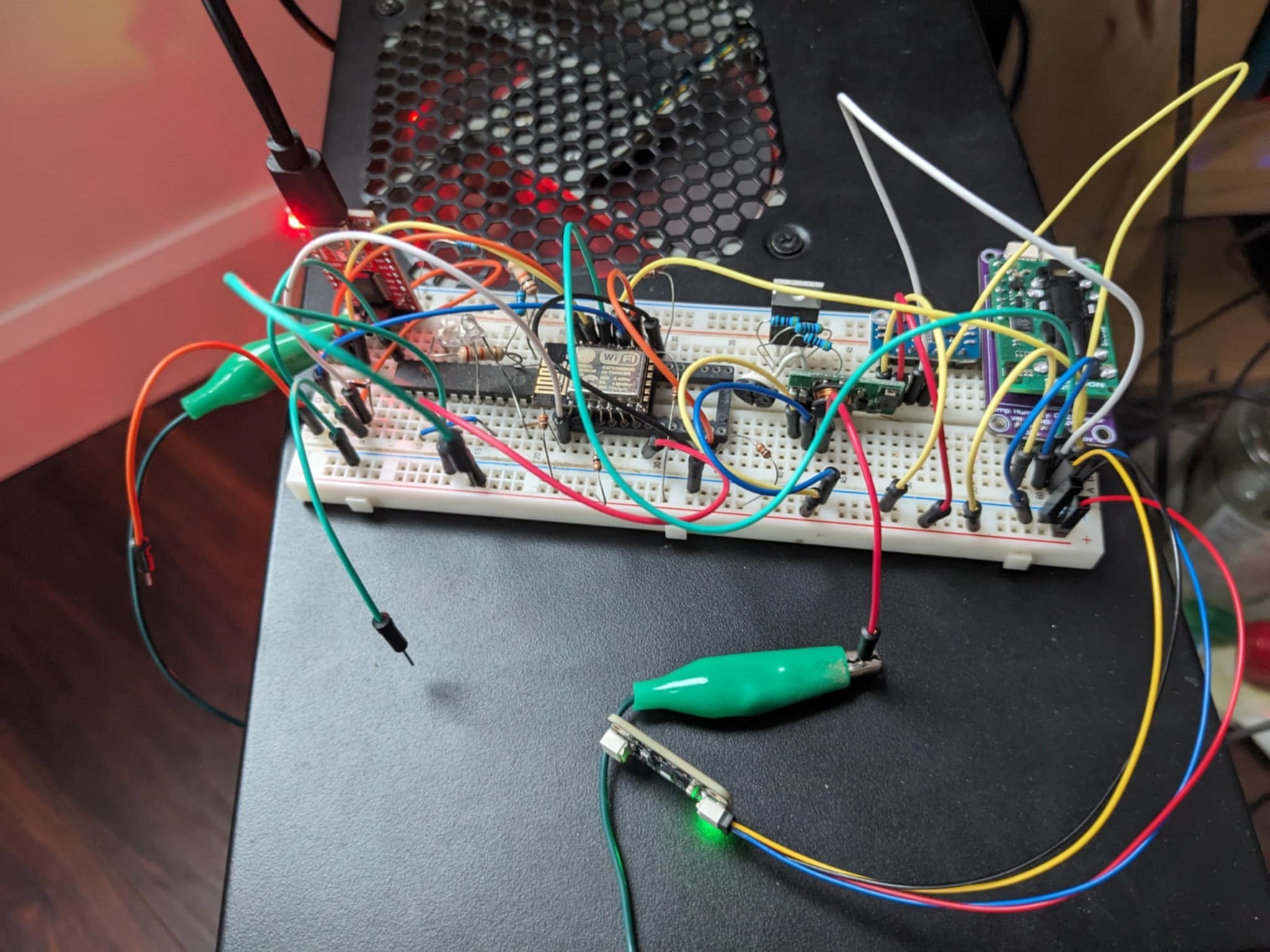
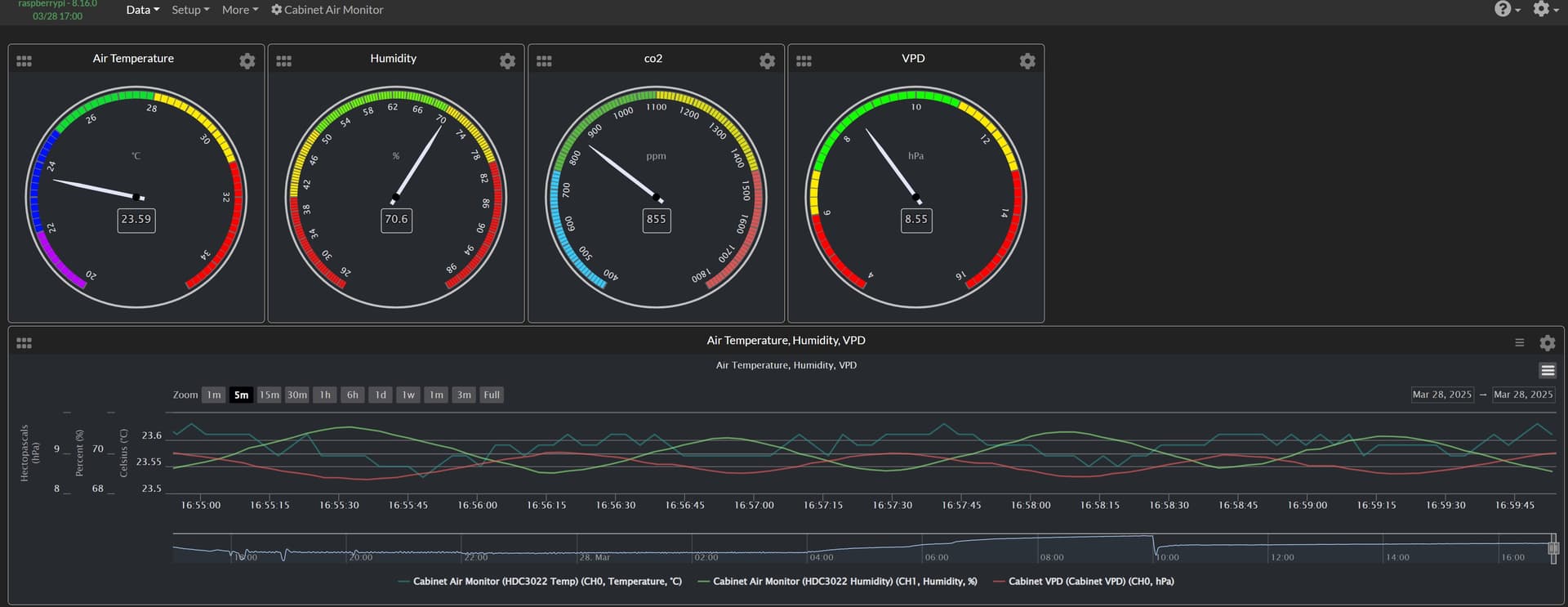
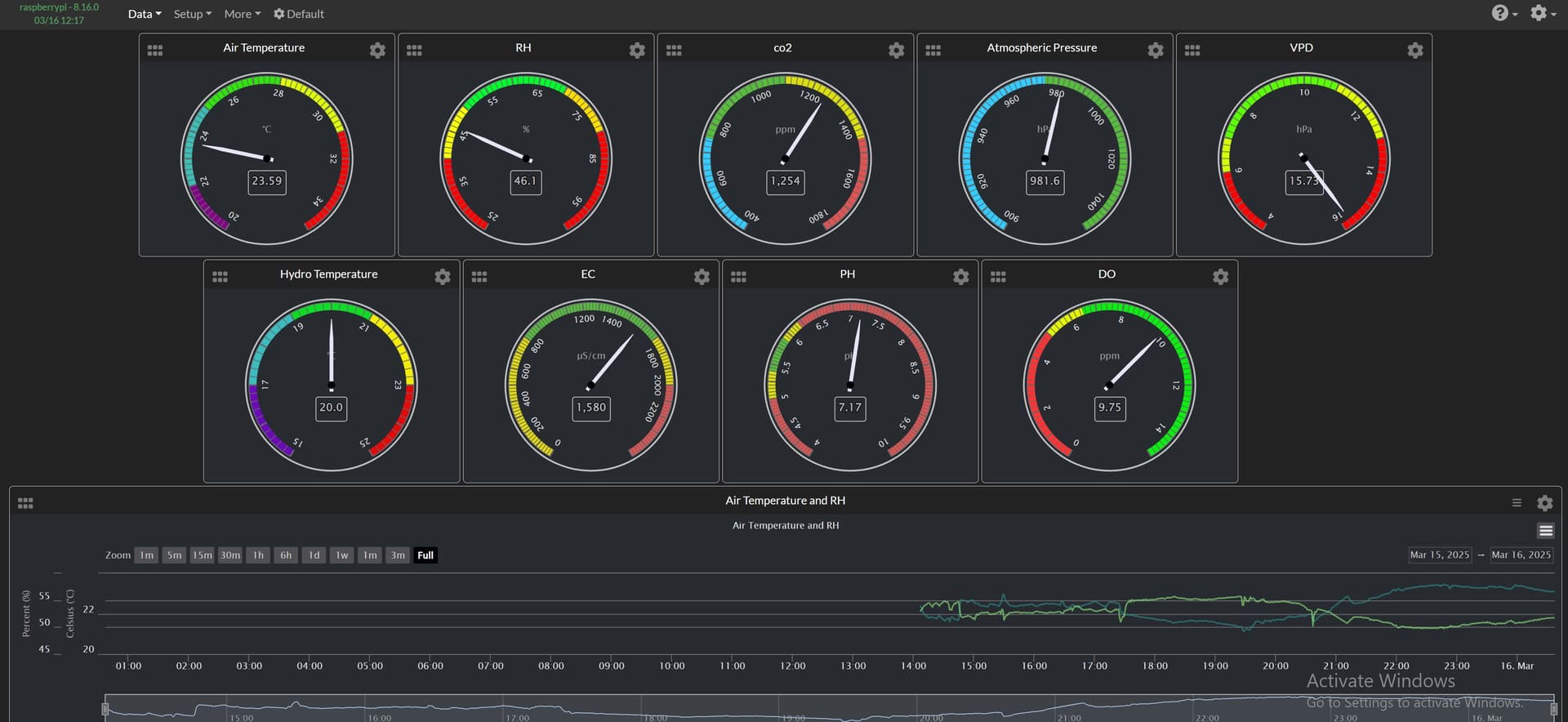
The thing I’m most excited about though is upgrading my control and monitoring of everything. Depending on the dehumidifier built in humidistat and then a separate humidistat for the humidifier was very annoying. I had to leave a very large hysteresis between them or I’d end up with both on at the same time. I’ve spent some of my “off season” free time building and coding a system that uses arduino and ESP8266 sensor and control stations that send and receive data over wifi via MQTT to Mycodo running on raspberry pi. Big thanks to Dr. Daniel Fernandez for outlining this method.
I’m now using TI HDC3022 sensors with +/- 0.1C and 0.5% error, better than any commercially available option I know of. Along with the PID control Mycodo offers vs the “bang-bang” I was previously using, I’ve reached pretty amazing stability in the grow cab. 0.2C and 2% RH total drift.
I bought a bunch of gear from Atlas Scientific too, for monitoring the hydrponic solution. The EZOs are great, but their probes I’m less certain about. The DO probe leaks electrolyte, which I’m sure I can fix with a different size o-ring, but it’s not a good look. The ORP probe doesn’t work, I’m waiting for another one but their communication is not awesome. For PH and EC I’m using bluelab probes. I Cannibalized an old guardian for the EC probe.
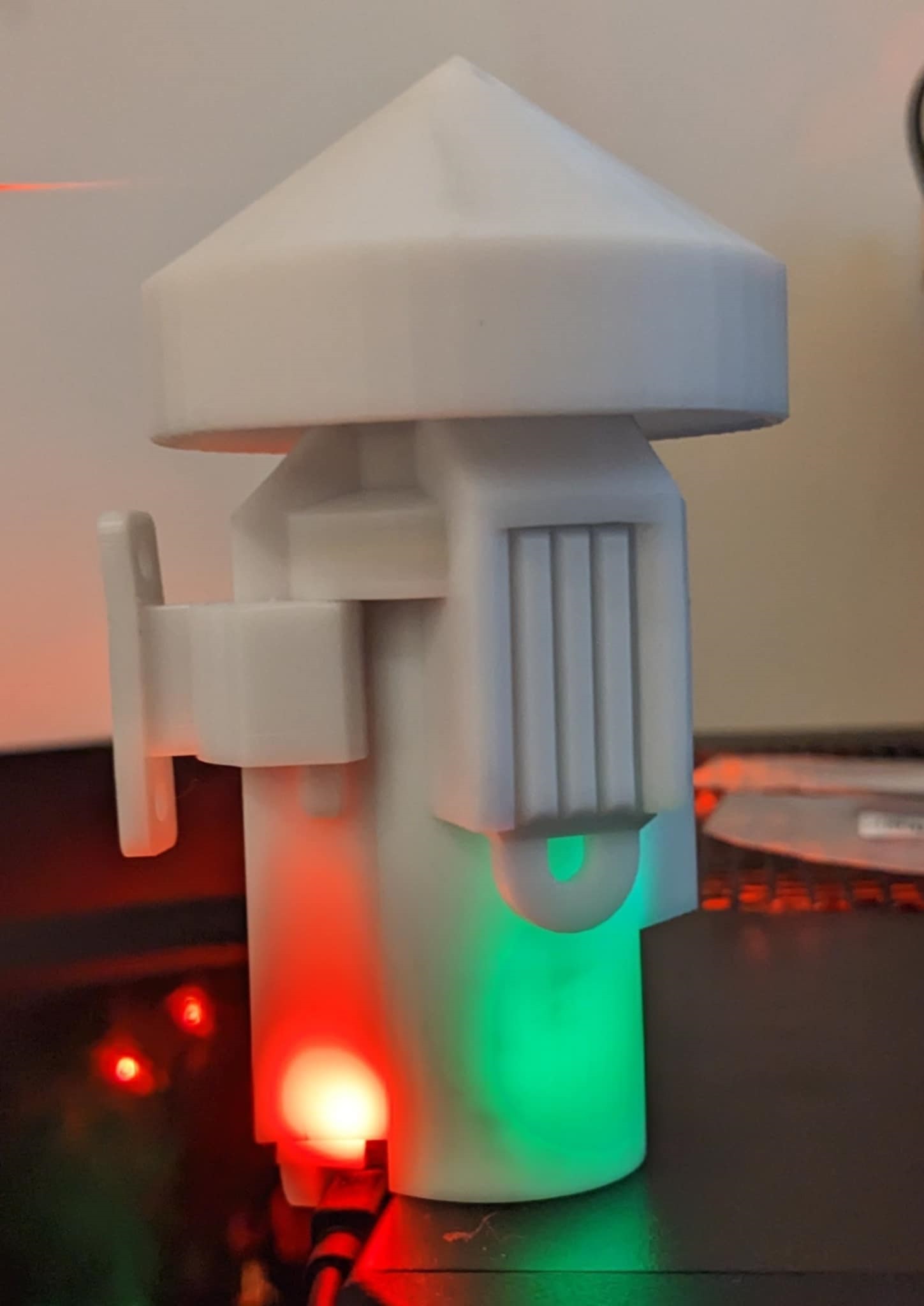
Here’s the air monitor circuit on a breadboard as I was prototyping, I then printed a mini “aspirated radiation shield” to house the HDC3022 (temp and RH), SCD30 (for co2) and BMP390 (for atmospheric pressure, to compensate DO reading)
Hoping to design a nice housing for the Pi and hydroponic solution monitor soon. I love dorking out on all the data. It’s hypnotic watching the graphs. I’m also going to be adding current transformers to monitor all the energy/cost for HVAC, lighting, water pumps, ect, controlling PH with peristaltic pump, with a graph showing added PPM of phosphorus (or whatever acid is being used), and instead of just a float valve filling the system, I will use two more pumps or flow meters and a valve to either refill with plain water or hydroponic solution to keep EC at set point, which will then also provide fertilizer cost data in mycodo. I’ll also be able to drop the EC to avoid burning if VPD gets out of line. Last but not least, an IR sensor for leaf temperature. Probably just a point measure at first with an MLX90614, but I’d like to get a full IR camera going eventually, to see the whole canopy.
2 Likes
Hello @emdub27 gave valuable advice
After depends on the vpd
Ration emdub is simple
1 Like
Can you share the mix your currently running?