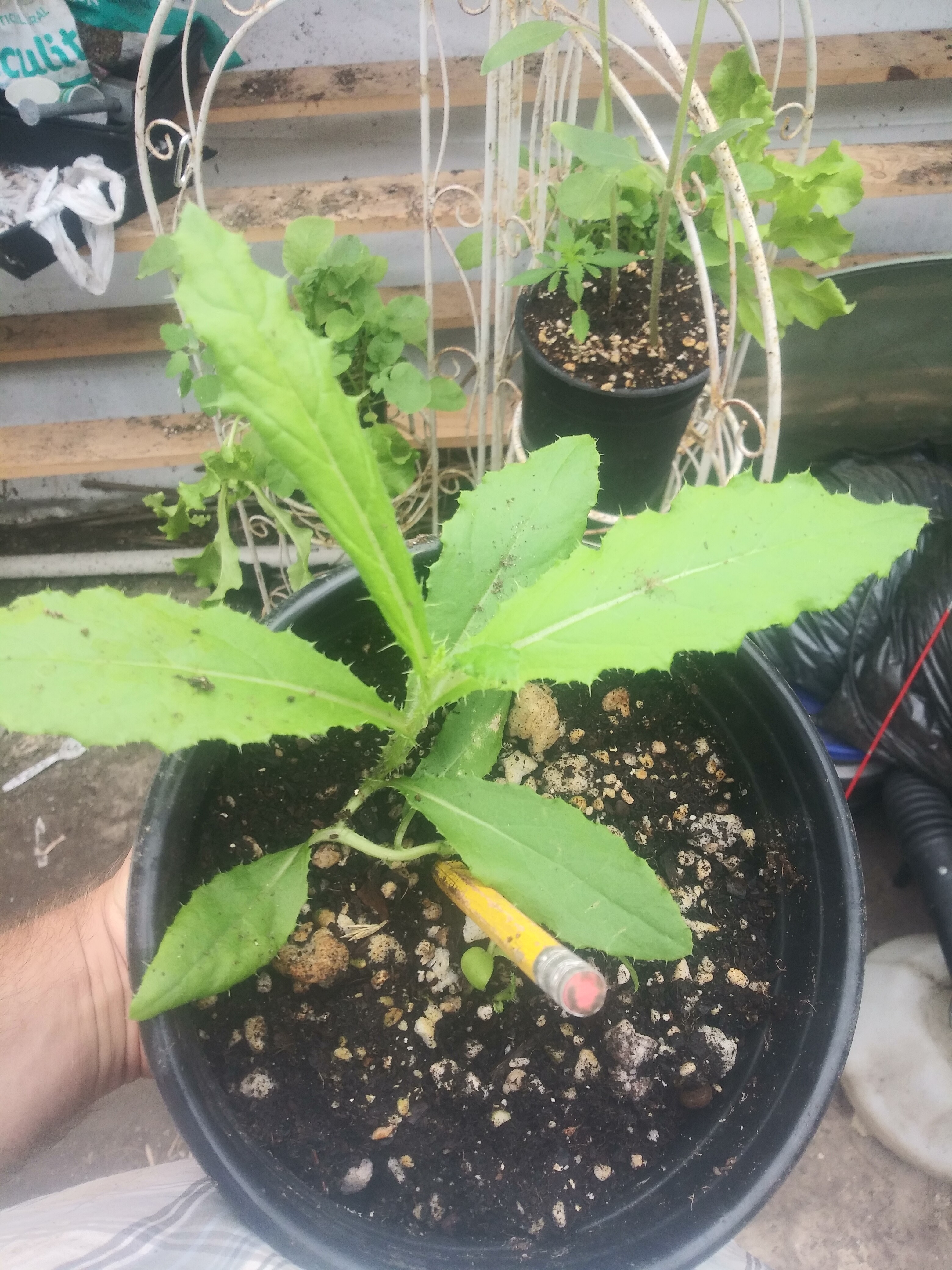
Pretty safe to say at this point that it isn’t cannabis. Haha. Still thinking the thistle or dandelion family. This one is in my yard. Should probably pull it since I don’t feel quite enough like Eeyore to eat it.
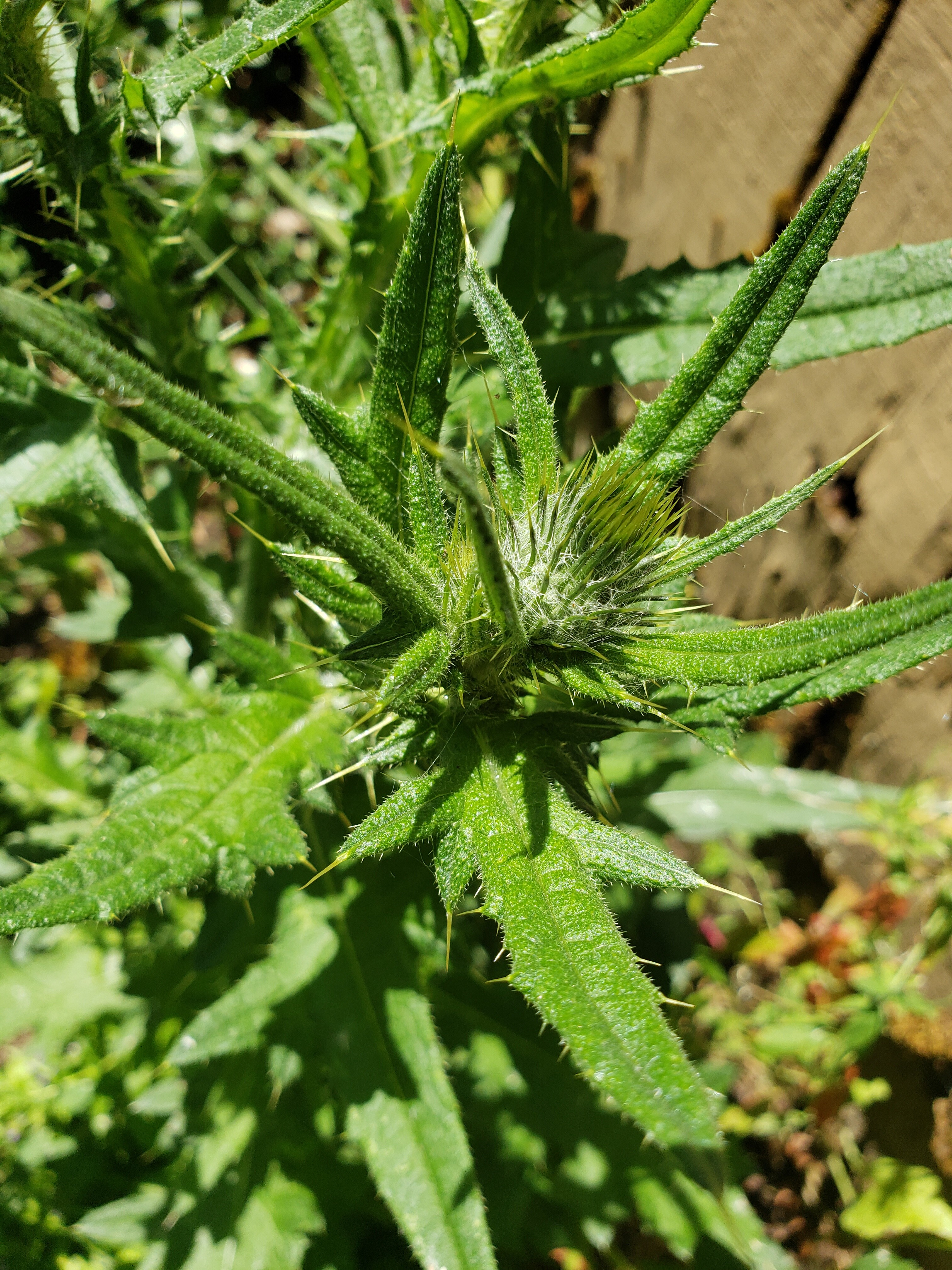
Allegedly, thistle (or 1 of them anyhow) is supposed to be good to use in a tea for garden plants I forget the exact reason why though.
I bet just about any thistle that hasn’t been sprayed with herbicides n such would be great in a ferment like knf or the like. They probably have a pretty nice spectrum of nutrients locked in their cells. I’ve also heard they make great livestock feed, but there might be some processing involved.
Back to the mutes, mine from the op have grown out of their issues. I think it was caused by too hot of a soilless mix. I tried pro mix organic straight off the bale instead of mixing with coco and perlite like I have with great success for seedlings in the past. Had really poor germ rates with uncut mix, too. Used at about 40:40:20 organic pro mix:canna coco:perlite gave pretty nice results, but honestly I think straight coco is less messing around, with less variables for starting seedlings.
The altered phyllotaxy is a result of a shoot apical meristem homeodomain transcription factor mutation called fasciation. It’s sometimes accompanied by stem bifurcation. It’s separate from polyploidy.
That’s stem bifurcation, which is a common trait associated with fasciated varieties.
Scroll up my friend… But thnx for pointing it out again:)
Care to elaborate which strian exibit this…
Can confirm fat bannana, carmagnola, tiborzsallasi, antal… For now
Sorry, I just saw the post and responded, prior to reading the rest of the thread.
I’ve had it happen to a bubblegum years back, but the fasciation locus responsible is recessive and I never saw it again.
Do you deduct the recesivness due to lack of app3arance in populations or did you by anychance do a RFLP, AFLP, SNP check on that…
We need this fieeeeeld bad 
Oooooooo neat break down, interesting, Polyploid was my best presumption, good hot take on that, wouldn’t have considered fasciation… I haven’t heard that term since Bio classes.  Ooof, healthy reminder to keep up my study.
Do you still have this strain by chance?
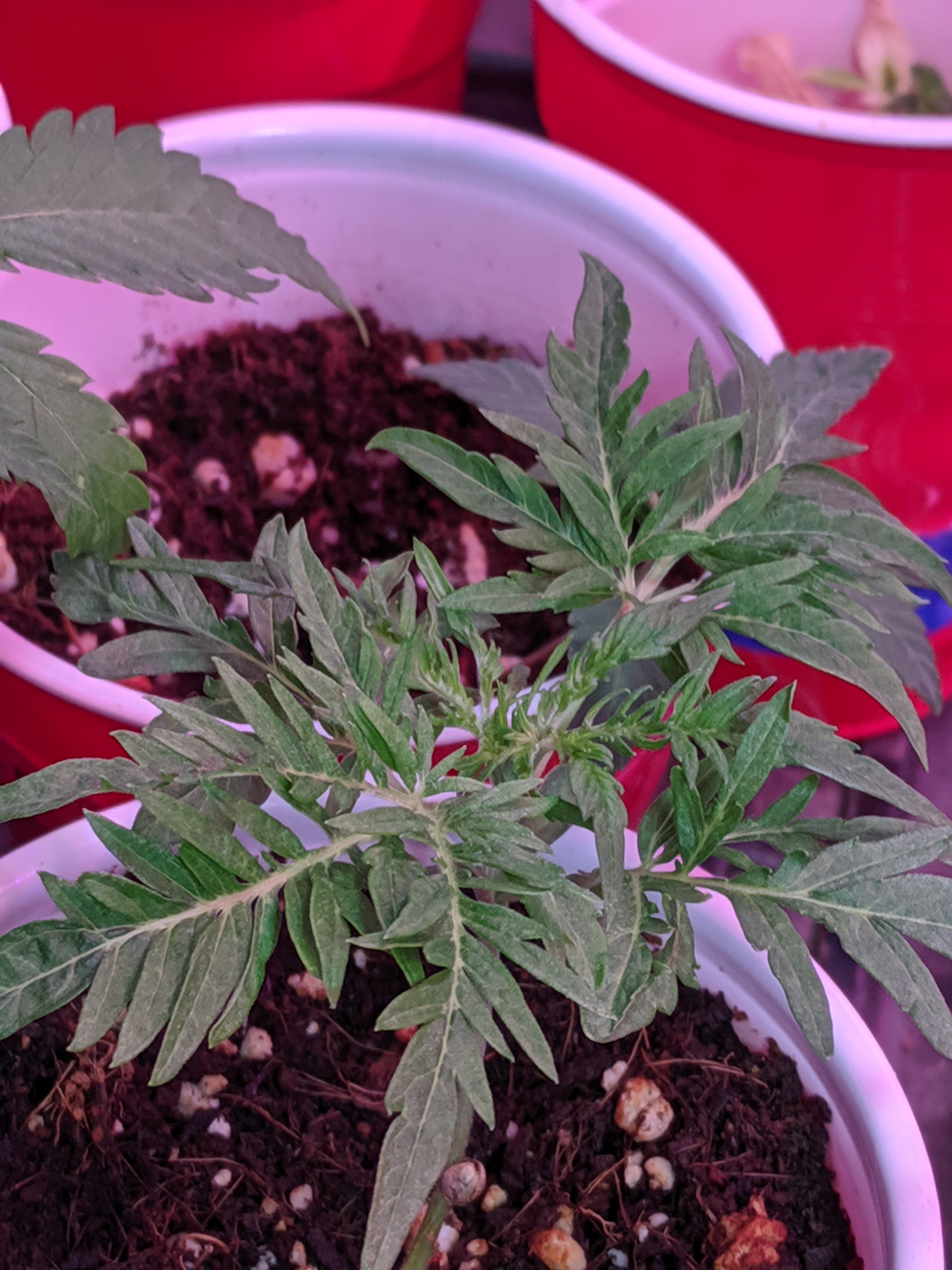

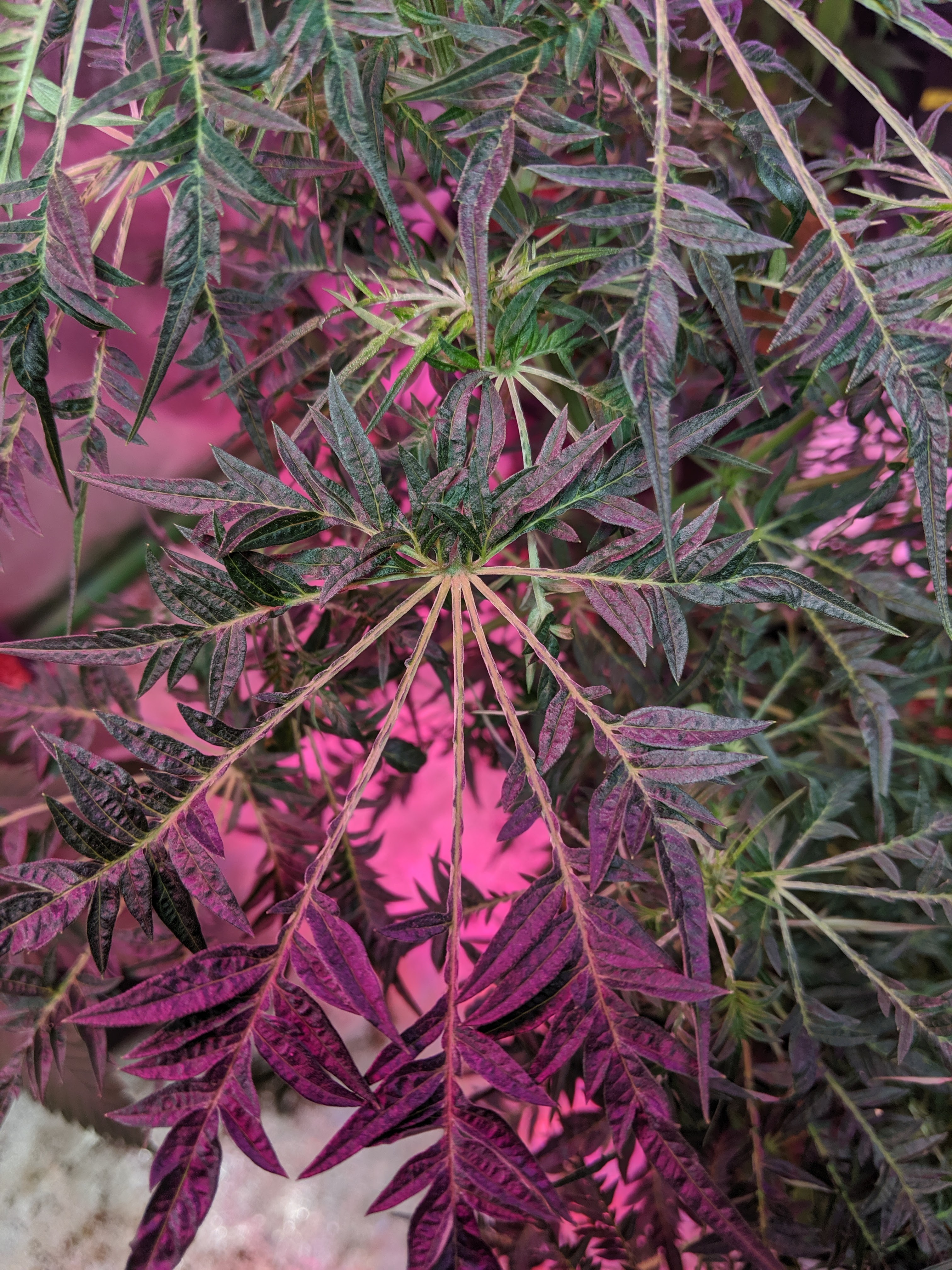
Nice! Looks like it won’t have too many issues with light penetration. Does look quite a bit like Freakshow, but less mass in the leaflets compared to mine. It will be interesting to see how they look in flower. Please tell us more about the Sawtooth Skunk, and keep us posted.
Well I never had a genetic analysis done, however the FAS1/FAS2 loci mutations are known to be recessive within peer-reviewed literature, but yeah physical observation in subsequent progeny was never observed after that. In fairness though, I lost that particular variety about a year or so later. Not really a mutation that I want in my lines, but it’s definitely cool to observe.
That particular variety, I do not. Not really a mutation that I want in my lines, but I do have a few Bubblegum S1’s from CSI Humboldt and Mosca and another Bubblegum line from Ice River Genetics that I have to get to.
This is where we need to take our lessons from imo… Provide light pen or remove leaves that are not adjacent to flower sites. Some might disagree and I love to hear their point of wiew.
Providing a quality basin for optimal light absorbtion is the hallmark of fruit defoliation be it chemical or physical in apples, apricots, cherry u name it. .
The leaves actually at one point of growth start to provide just for them selves due to their enormous size and not for the branch attached adjacent as they do until critical mass is reached.
Meaning the big leaf is starting to parasitise the rest of the branch and flower sites, as not providing and sending carbohydrates down the stream to other parts wich might be more favorable for us, but instead keeping all the photosynthetic products for its selfish needs…
Outdoor with massive rootsystems and nutes and space this might occur later than indoor…
Anyway derailing as usual…
Such a plant might not need defoliation as the leaf morphology might just require a clip of a brach or two and ur done… Imagine the work hours saved on a hectar of these ladies!!!
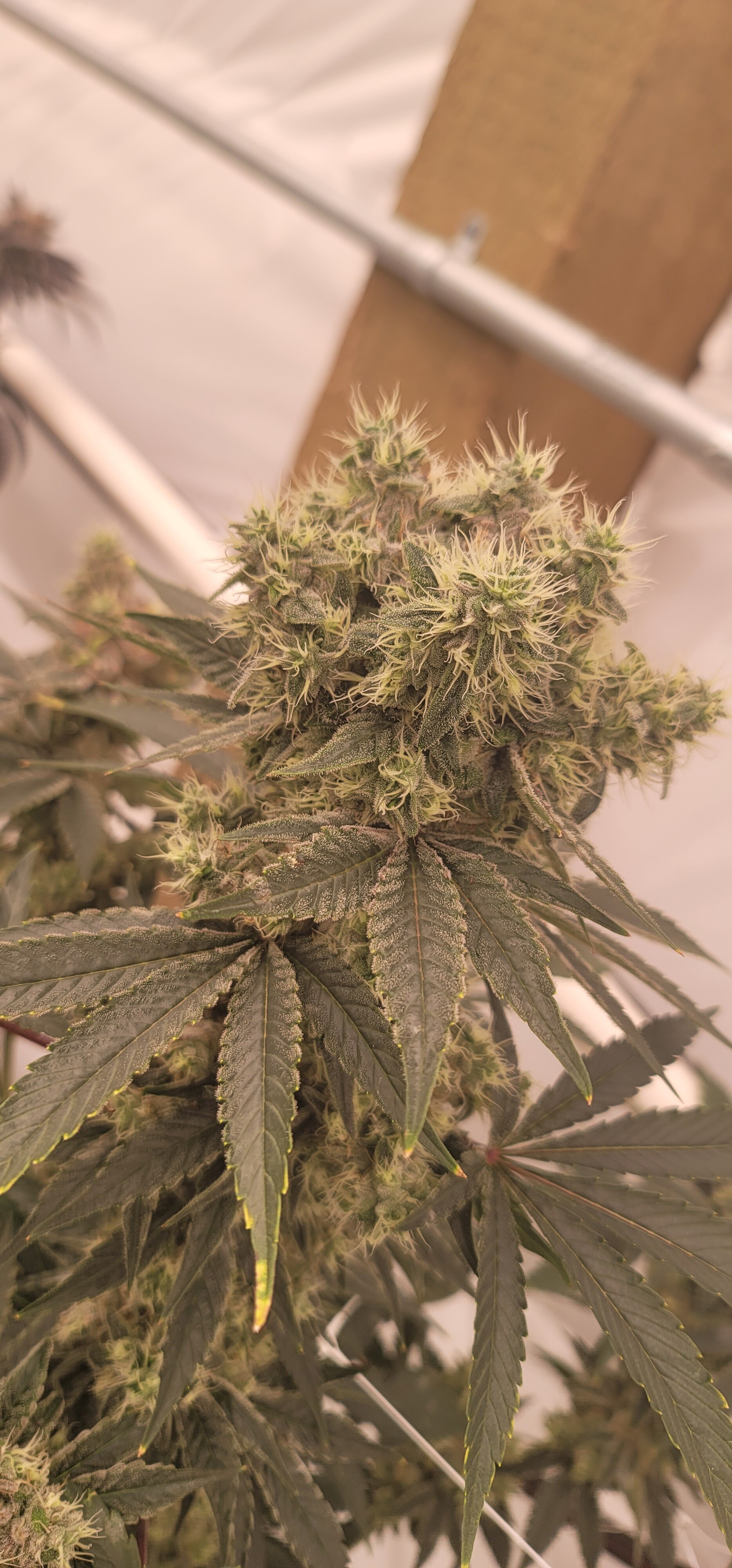
Candy store, not too sure what happened but about half of the planted girls looked like that when pulling down, they definitely have a ton of weight.
Man that’s rad! Thanks for sharing.