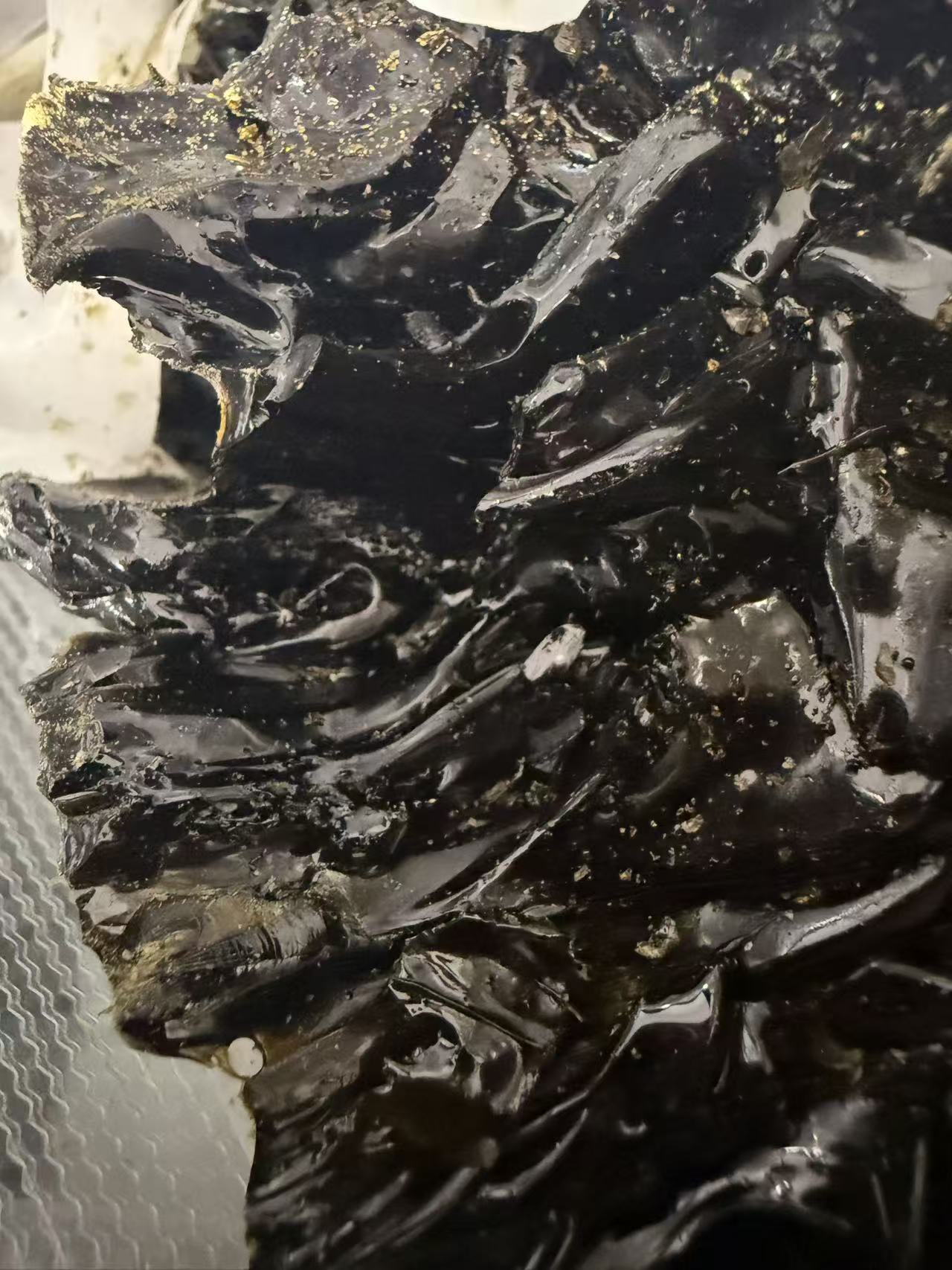
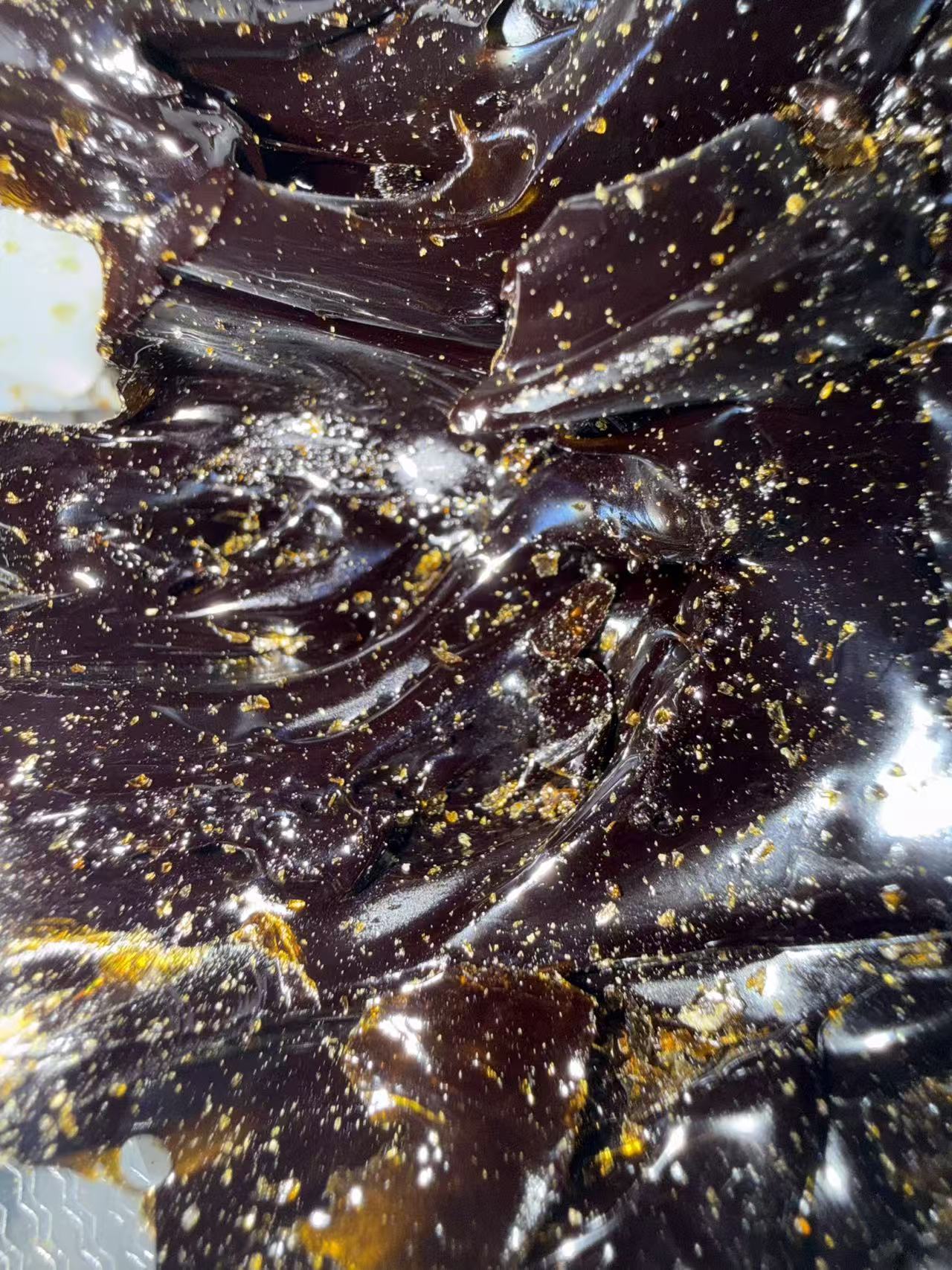
I’m working on vape hardware (atomizers/cartridges) and exploring compatibility with different types of cannabis extracts.
I’d like to understand whether BHO (Butane Hash Oil) is generally suitable for use in vape cartridges, from a formulation and performance standpoint — not looking for step-by-step processing methods, but more about feasibility and risks.
Some specific questions:
How does BHO typically behave in terms of viscosity for cartridge systems?
Are there common stability issues (e.g., crystallization, phase separation) over time?
What are the main safety concerns when formulating BHO for inhalation? (e.g., residual solvents, additives)
How does it compare to distillate or live resin in terms of hardware compatibility?
What kind of atomizer designs (ceramic core, coil resistance, airflow) tend to handle thicker extracts better?
For context, I’m focused on hardware optimization rather than producing the oil itself, and I want to better understand what constraints different oil types impose on device design.
Appreciate any insights or experience from formulators or hardware engineers.
If you’re processing THC biomass, decarboxylate before loading into carts. Live resin generally performs better due to higher terpene content. Hardware between decarboxylated live resin and DST formulations is generally interchangeable. Good cured flower is also not a problem if terp content is decent. Make sure you’re filtering thoroughly as small particulates can get through the aperture holes and burn, negatively affecting taste. For thicker formulations, larger aperture is beneficial as wicking can be problematic.
Unfortunately these guys are right. I didn’t even realize that was extract in the pictures you uploaded… Decarb a small amount and load it in and try it for yourself, but I don’t think you’ll enjoy it. Distill it if you can.