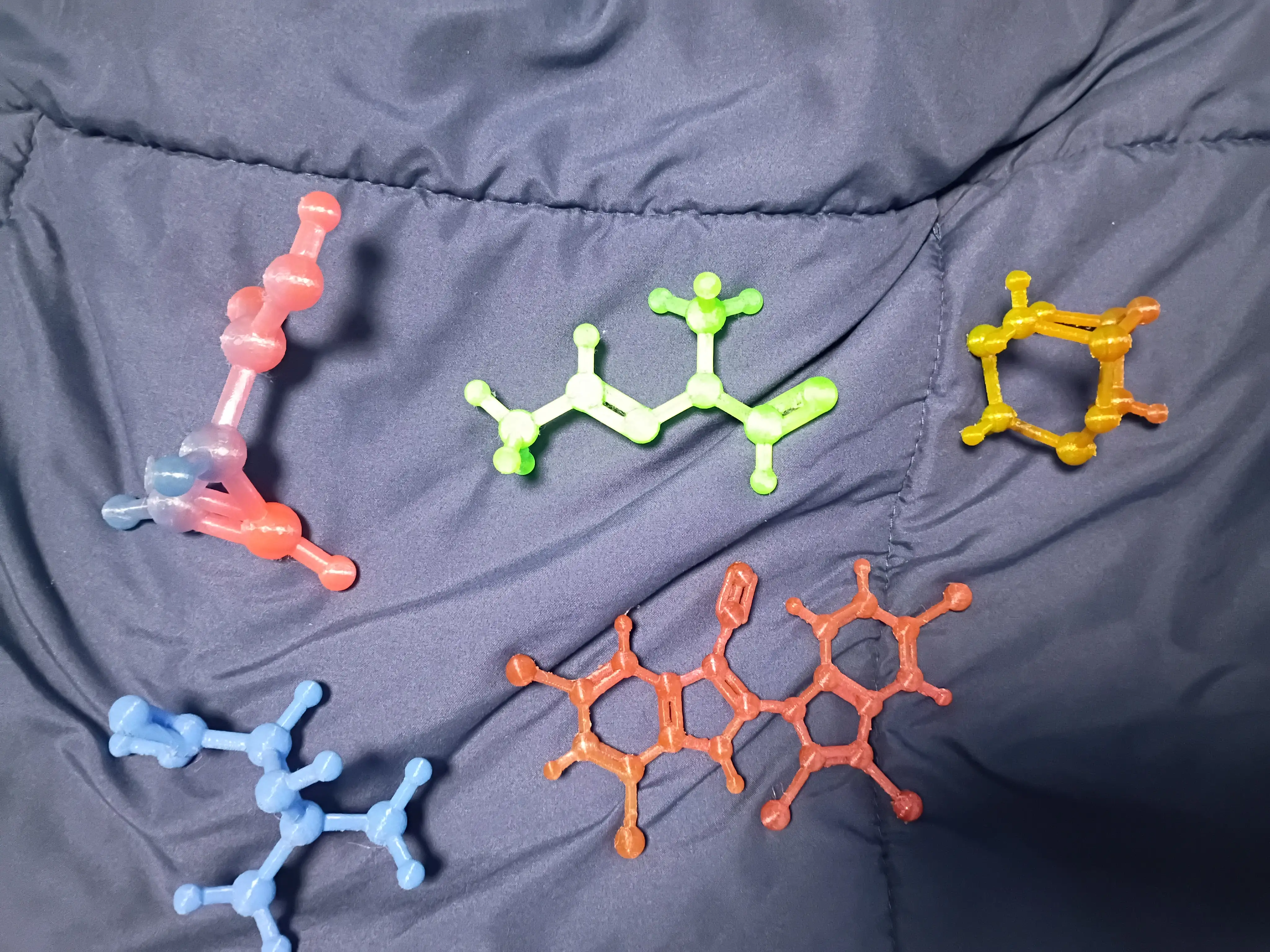
Compounds featured:
Dimethylaziridine carboxylic acid or pleurocybellaziridin is a naturally occurring non-proteinogenic amino acid that contains the unusual aziridine ring. It is found in the potentially deadly angel wing mushroom.
Dimethylaziridine carboxylic acid occurs in enantiopure 2S form in the mushroom Pleurocybella porrigens. The compound is very unstable, but can be isolated as an ester of benzhydrol by reacting the methanol extract of Pleurocybella mushrooms with diphenyldiazomethane. In one case, 23 mg...
Gyromitrin is a toxin and carcinogen present in several members of the fungal genus Gyromitra, like G. esculenta. Its formula is C4H8N2O. It is unstable and is easily hydrolyzed to the toxic compound monomethylhydrazine CH3NHNH2. Monomethylhydrazine acts on the central nervous system and interferes with the normal use and function of vitamin B6. Poisoning results in nausea, stomach cramps, and diarrhea, while severe poisoning can result in convulsions, jaundice, or even coma or death. Exposure to...
Aetokthonotoxin (AETX), colloquially known as eagle-killer toxin, is a chemical compound that was identified in 2021 as the cyanobacterial neurotoxin causing vacuolar myelinopathy (VM) in eagles in North America. As the biosynthesis of aetokthonotoxin depends on the availability of bromide ions in freshwater systems and requires an interplay between the toxin-producing cyanobacterium Aetokthonos hydrillicola and the host plant it requires to live (Hydrilla verticillata), it took more than 25 y Th...
Cycloprop-2-ene carboxylic acid is a toxin found in some mushrooms such as Russula subnigricans.
When ingested, the molecule is known to cause rhabdomyolysis.
In mice, the oral LD50 of this molecule is 2.5 mg/kg and poisoning is indicated by an increase in serum creatine phosphokinase activity. Polymerization via the ene reaction abolishes toxicity.
3-(Cycloprop-2-en-1-oyl)oxazolidinones are a class of ‘unusually stable’ derivatives of cycloprop-2-ene carboxylic acid that have been synthesized...
Just a little reminder that nature does not fuck around…
2 Likes
Relevant: NIH 3D I have used cannabinoid models from here and printed them in resin to use on our pop up displays. They also have the fun chemicals too.
3 Likes
I use a piece of software called JMOL to acutally create the STL file to then slice using OrcaSlicer
JMOL has the ability to pull 3d molecular data from the NIH pubchem database and turn it into an STL
@somethingsims
Both bits of software I use are free and open source and have versions for both linux and windows:
Jmol is computer software for molecular modelling of chemical structures in 3 dimensions.
It is an open-source Java viewer for chemical structures in 3D. The name originated from the Java programming language, molecules, and also the mol file format.
JSmol is an implementation in JavaScript of the functionality of Jmol. Hence it can be embedded in web pages to display interactive 3D models of molecules and other structures without the need for any software apart from the web browser.
Both Jmo...
Official OrcaSlicer website for verified, open‑source desktop releases on Windows, macOS, and Linux.
1 Like
That’s a cool molecular modeling program. I love Orca slicer, I run my own fork of it for my voron prints.
For everyone else, if you actually click the link you’d see that you can literally download ready to print stl’s - With multiple different versions per chemical structure.
The nice thing about my method is it preserves any double or triple bonds in the molecule (a so called “ball-and-stick-models”), the NIH slicer only does so-called “space filling models”:
Space-filling model - Wikipedia vs Ball-and-stick model - Wikipedia