So I am starting up a small company and I’m focusing in on a line of infused coconut milk based drinks ( cold brew , chocolate shake, strawberry shake, and orange cream)…all coconut milk based…(so delicious brand coconut milk) (which I also plan to incorporate into the drinks by heating disty sunflower lecithin and MCT oil on a magnetic stirrer ) I have a question about shelf life and bottling! Most ingredients mabe besides the cold brew concentrate I’m going to be using are already pasteurized so I’m curious if it’s an absolute must to still pasteurize or not still? Could I just sterilize my PET bottles with bleach solution and not have to worry about repastuerizing? Would this be shelf stable as long as refrigerated until opened? I’m trying to formulate a product that will have a 6 month or more shelf life without going bad. If I have to go the pasteurization route I was thinking either low temp long time or high temp short time. Would I absolutely need PET bottles that are compatible with hot filling in that scenario or could I for example just either directly heat my liquid to the proper temp around 150 for 30 minutes then fill into sterilized bottles or could I just put the bottles with the beverage into the heated water for a specific temp and time?? Any help at all in the right direction is so appreciated ! Thanks to this super smart community for the help 
No bleach on food contact surface.
Potassium sorbate.
Thank you 
You should probably try to find a food scientist to ask these questions to rather than a forum (unless there are food scientists lurking here).
If you are just using Sunflower Lecithin and MCT Oil in Coconut Milk, it will most definitely crash/separate, so if you want to avoid telling people they have to shake it like they’re mixing paint, you may want to look into other emulsifiers.
Your kill step is definitely important in production, but if you have a sub-par formulation to start you’ll be dead in the water (or a layer of oil floating on top of it). Safety is absolutely important, but if the formulation is unstable, you’ll be spending a lot of money to deliver a safe product that nobody will buy a second time.
I would first focus on the formulation of the product and get it down solid, then find some resources to help with the kill stage (again a food scientist would be able to help with both of these, but your budget may not allow that).
Here is a good video on a pretty cool emulsifier that will be a better option than Lecithin (btw, I fucking love lecithin, but it’s not the move for drinks). You may want to look into others, but this would at least be a massive step up in that regard.
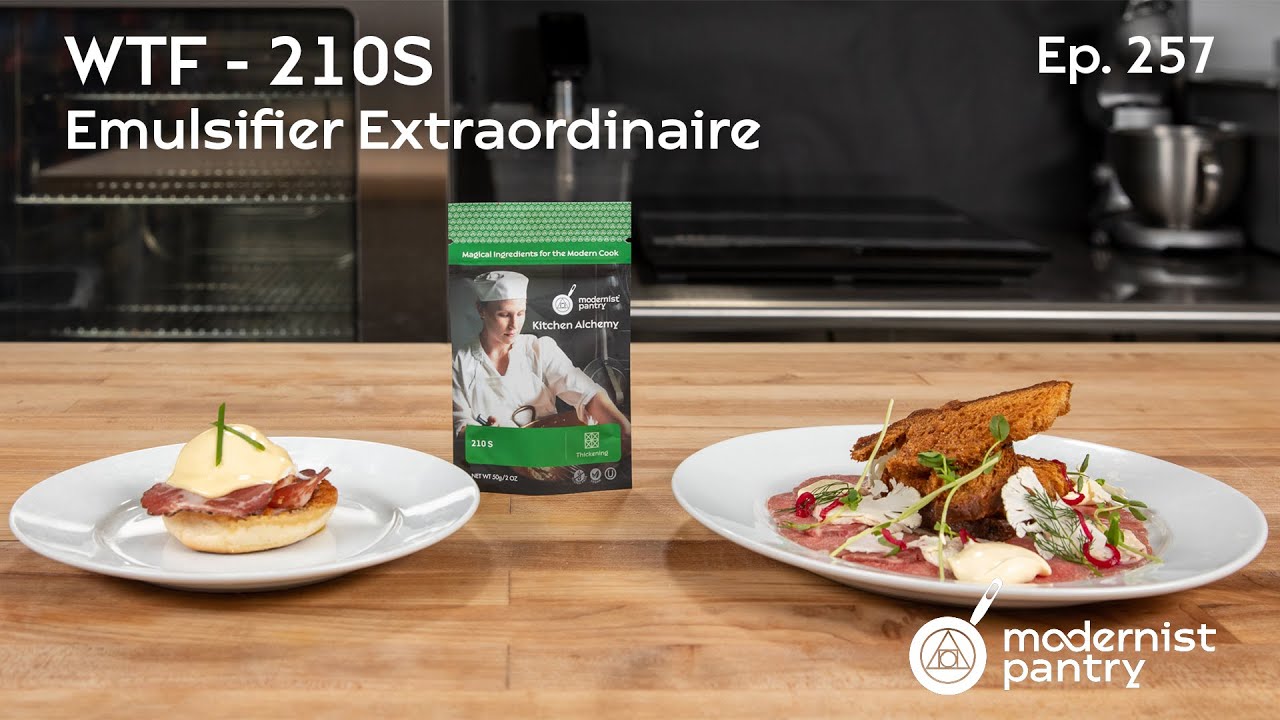
Their channel has some pretty cool products/tech/info on different recipes that you may find interesting.
Also, this is separate, but I think this vacuum blender might be pretty cool to use with a strong emulsifier to help make a more stable emulsion (though the vacuum made emulsion won’t be enough on it’s own for shelf life, in combination with a good emulsifier it could be an interesting/relatively low cost option).

Good luck!
Thanks for commenting with such great references and leads in the right direction…I think if I were to combine say a mixture of guar gum and zanthan gum(version of homemade 210s) combined with the sunflower lecithin and MCT oil that should be more than sufficient to emulsify the drinks?..I also just bought a ultrasonic homogenizer so I’ll be utilizing that as well.