Citric Acid Tek: gotta keep em passivated

No worries about nitpicking, I must have missed the part talking about jackets and not just the interior of tanks. We didn’t have to passivate our glycol loops when I was in the brewing industry.
I can’t remember off hand how we handled cleaning/maintaining the steam jackets and boilers, that wasn’t on my workload so I never learned monthly/bi-annual cleaning SOPs.

Good question about the electrostatic, I am a big baby idiot on that front so can’t help there.

Maybe there’s some info on this in places like probrewer.com message boards. I can reach out to old brewery pals if you don’t get answers to your questions and see how they handle it, too.

2 Likes

@cyclopath

EDIT: I just realized you want to remove rust and passivate inside the jacket. My bad, I thought you wanted to passivate the tank interior. In that case, ignore my recommendations of a spray ball and CIP cart, lol.

I would use clean-in-place recirculation and take the lead from brewers. I have done this type of passivating innumerable times.

I recommond Birko as a passivation chemical supplier for nitric acid and oxider, or Madison Chemical for nitric acid. I have used them for a long time in various industries.

The following info is from a few resources:

If you can temporarily install a tri-clamp spray ball inside your vessels, that’s the best option. Otherwise, you’ll need more solution - enough to fill your vessels/path. You must also keep the solution hot, around 130-150’F, for up to 30 minutes. If you’re using recirculation, and don’t have a way to keep the solutions hot, installing an SS exchanger inline and using hot tap water is one way to heat the solution, but ia CIP cart would be better for tighter temp control.

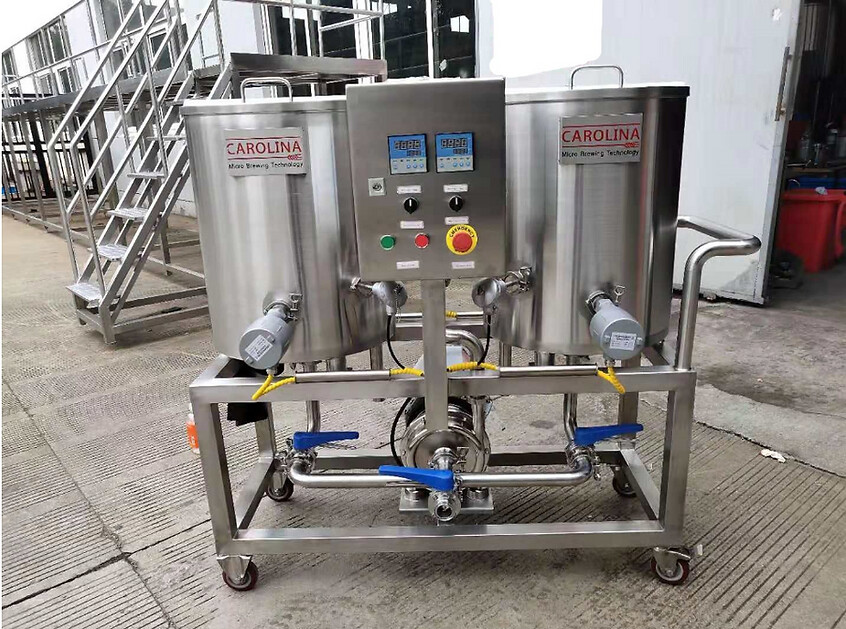
However, a DIY CIP cart may be a good option because CIP carts can range from $5K to $9K for 20-30 gallons and you’re so good at building stuff. You can build one using two SS vessels, SS tubing, SS immersion heating elements, a pump (strong if you’re using a spray ball), and a PID. Check out Electric Brewing Supply and The Electric Brewery for parts and ideas.

Passivatvaiton of stainless steel requires a minimum of 10.5-12% chromium in the metal because oxygen combines with chromium to create a film of chromium oxide on the surface. Traditionally, nitric acid is used to passivate as a single-step process because it dissolves rust and trace minerals on the surface of the SS, and it’s a strong oxidizer. After the metal surface has dried, the chromium oxide layer forms under ambient oxygen over 24 hours.

Citric acid is sometimes used instead of nitric acid. However, unlike nitric acid, citric acid doesn’t passivate because it’s not an oxidizer. So it cannot oxidize the chromium automatically, which happens when you passivate. After running citric acid and allowing the surface to dry, the layer of chromium oxide will form over time (a few days?) from contact with air through natural oxidation, but it’s not optimized for passivation.

In both cases, with nitric acid and citric acid, the vessels/system can’t be used until the chromium oxide layer is formed after passivation. Meaning the equipment is out of commission for 24 hours with nitric and a few days(?) with citric. However, immediately following the acid passivation step with a non-caustic phosphate-silicate oxidizer instantly forms the chromium oxide layer, so the equipment is ready after rinsing.

But, according to Dana Johnson, Technical Director at Birko and a well-known and respected source of passivation information, “Acid cleaning and drying to form the Cr203 layer no longer work as well as they once did and create a condition called “flash rusting” (iron deposit), especially around welds.” Flash rusting is common after traditional passivation due to increased CO2 in the air (I’m guessing), especially at welds, because steel corrodes if a layer of chromium oxide does not protect the free iron from carbon steel.

For passivation, Birko recommends acid passivation immediately followed by a non-caustic oxidizer step (to form the chromium oxide layer) and rinsing. According to Dana Jonhson:

Remember, the aforementioned acid drained but not rinsed and immediately followed by noncaustic, oxygenated, alkaline cleaner method of passivation is known to metallurgists as a phosphate/silicate conversion coating, and should not be confused with the traditional high nitric acid method, which is drained but not rinsed and then followed by a 24-hour air dry to form a chromium oxide layer on the metal.

As soon as the alkaline detergent is fully rinsed away, the metal is passivated and can be put into service immediately if needed. This is simply because the conversion coating occurs as soon as the acidified metal surface comes into contact with the oxygenated, phosphate- and silicate-containing alkaline detergent.

Notes:

  • Repassivate every 3-6 months.
  • If your rust is extensive and heavy, citric acid should be used as the initial step to remove rust through chelation. If it’s just light rust, you can skip the citric acid step because nitric acid will remove rust.

Method:

  1. The vessels/system should be clean before you start. In brewery lingo, “soil” refers to residue from the brewing process on the SS surface. But our vessels should be clean, so we can ignore the cleaning steps to remove soil.
  2. To remove heavy rust, add 57 grams of citric acid per gallon of water, maintaining a solution temp of 120-130° F, and CIP (recirculate) for 15-30 minutes.
  3. Rinse well
  4. Use a 25-40% nitric acid product following mfg directions. Typically, prepare a solution with pH <1.5, maintaining a solution temp of 130-140° F (not hotter), and CIP (recirculate) for 30 minutes.
  5. Drain, but don’t rinse.
  6. Immediately follow with a mixture of sodium percarbonate, sodium metasilicate, and phosphate following mfg directions. Typically, 57 grams per gallon, maintaining a solution temp of 120-140° F, and CIP (recirculate) for 15-30.
  7. Follow with a thorough rinsing with purified water at 100°-120°F until pH is neutral.

For more info specific to your situation: contact Dana Johnson at Birko (he’s very informative and happy to talk):
DJohnson@birkocorp.com or (303) 289-1090.

Read more here:

Protecting Your Stainless Steel: Passivation for Brewery Equipment (by Dana Johnson; a great white paper)

Passivation of Stainless Steel (from M.G. Newell company)
10 Likes

About electropolishing:

IMO, when passivating and repassivating extraction vessels in the lab it’s better just to use tried and true chemical passivation techniques the brewers have used for a long time.

Passivation of Stainless Steel (from the Federal Group)

Electropolishing is not true passivation but we are discussing it here because, although the process is different, the results are similar. With electropolishing the iron is removed from the surface by immersing the part in an electrolyte solution and then applying a positive charge under controlled time and temperature. This process removes the iron and leaves behind the oxidized chromium.

One important difference is in the surface finish. During the electrolysis process the high points of the surface get removed first, making the surface much smoother. Smoother surfaces not only look better but have improved anti-corrosion properties because less surface area is exposed to the degrading effects of the environment.

6 Likes

Unfortunately not.

Starsan is a high foaming phosphoric acid sanitizer with benzenesulfonic acid. It’s similar to citric acid in that it will remove rust and other minerals, but it’s not an oxidizer, so it’s not well suited for passivation.

While PBW is a non-caustic oxidizer (sodium percarbonate) and includes silicate (sodium metasilicate), AFAIK it lacks the phosphate required from the “phosphate-silicate conversion coating” when seeking to form the chromium oxide layer immediately. And it has other ingredients we don’t want. It’s comprised of 29% sodium percarbonate, 31% sodium metasilicate, and 23% sodium sulfate. It also contains surfactants and chelators (5% each) and a gelling agent (7%).

5 Likes

So what are you waiting for?!

2 Likes

Damn, @Ralf for president. Very informative and helpful post. Thanks dude

6 Likes

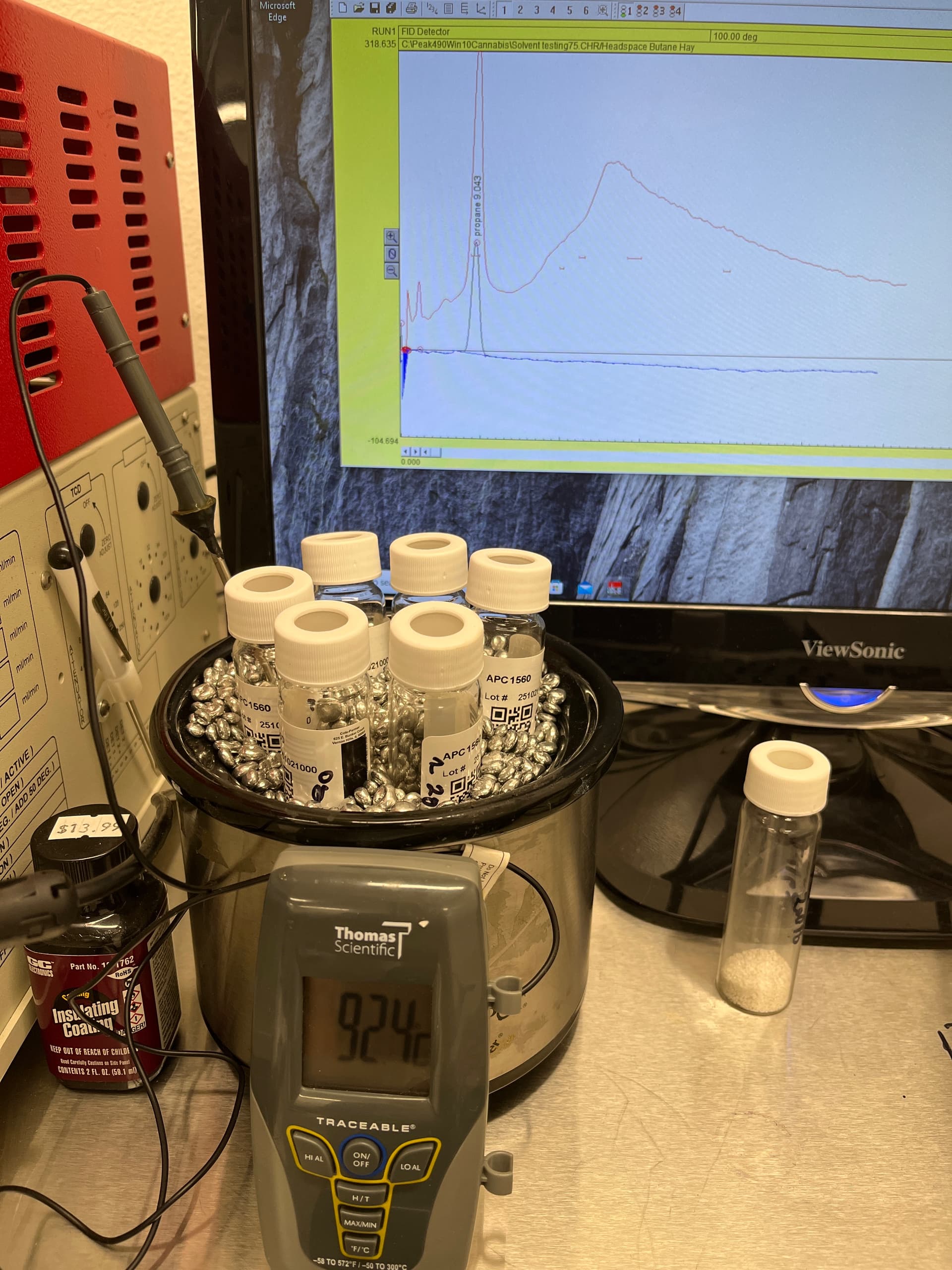
Currently draining the isopropanol that duratherm reckons will get the siloxane out.

Will do my homework this weekend and get back on it Monday…

In the mean time I’ll be trying to degrade two different batches of Duratherm S at ~100C

…and figuring out where things elute running this column at 100C

edit: eg, that peak labeled propane is actually butane. the big hump in red AFTER butane is most likely “paraformaldehyde”…but I’ll have to await a standard or third party testing to confirm.

5 Likes

LOL, thanks. I’m glad it’s helpful.

I didn’t realize @cyclopath wanted to passivate inside the jacket when I posted. I thought he wanted to passivate the inside of the vessel. So my suggestion of a spray ball and CIP cart must have seemed pretty silly. My bad.

For reference, if someone only wanted to use traditional passivation with high concentration nitric acid, here are the steps:

  1. Clean the surface, so it’s free from grease, oil, coolant, etc.
  2. To remove rust, add 57 grams of citric acid per gallon of water, maintaining a solution temp of 120-130° F, and CIP (recirculate) for 15-30 minutes.
  3. Rinse well.
  4. Prepare a solution with ~15-30% nitric acid (w/w) and maintain a solution temp of 130-140° F (not hotter) while CIPing (recirculating) for 30-60 minutes.
  5. Follow with a thorough rinsing with purified water at 100°-120°F until pH is neutral.
  6. After the surface has dried, wait 24 hours before for the chromium oxide layer to form. At this point, the passivation is complete, and the equipment is ready for use.

From the TDS of Passivate (don’t use >140’F water):

Thanks for posting this. They described the same methods I did in my post, but they had better explanations. With the exception that in our case (and @cyclopath’s goal), we can use nitric acid without phosphoric acid. So, Nitro-CIP from Birko would be a better choice than Ultra-Niter from Birko.

From your CMG link:

The “old school” passivation method (nitric acid in high concentration and then allowed to air dry 24 hrs.) puts down a thin layer of chromium oxide that protects the inside of tanks. This tried and true method works well and is what many brewers use. However, this method does have some drawbacks to newer methods.

The “new” (circa 1990’s) method of passivation deposits a microscopic layer of alkaline cleaner which creates a smooth glass-like surface on the inner walls of the tank whereas the traditional chromium oxide method leaves a rougher surface in the tank which allows soils to adhere more easily. The new method is also faster because you do not need to wait 24 hours to form a protective chromium oxide layer, easier on gaskets and safer overall as you do not need to use as high of temperatures and higher concentrations of chemicals in the process.

My bad @The_Lone_Stiller, I just realized you suggested those products to wash the jacket, not passivate. I need to pay closer attention, lol.

Using a non-caustic alkaline wash would probably be a good idea considering the inside of the jacket was probably never cleaned well or passivated by the mfg. It could be used after a thorough water rinse after removal of the residual Duratherm S. However, I’m not a fan of PBW, because IME doesn’t dissolve well (has undissolved particles) and can leave a pretty gnarly residue. I imagine that would be worse inside a jacket that’s hard to flush well.

A commercial qulaity non-caustic alkaline cleaner from Birko or Madison Chemical would probably be better.

I’m not sure ISO will work as well as hoped unless you’re leaving for a contact time of >20 minutes or warming the jacket. And neither is the United States Department of Defense.

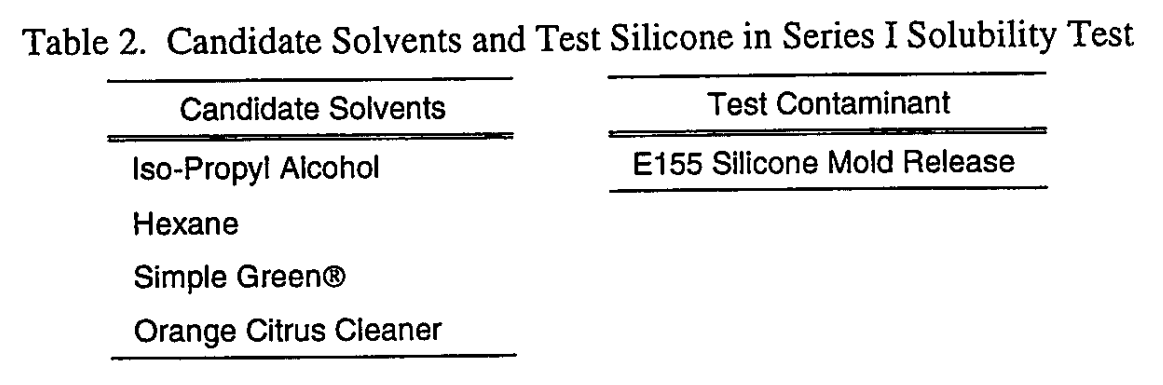
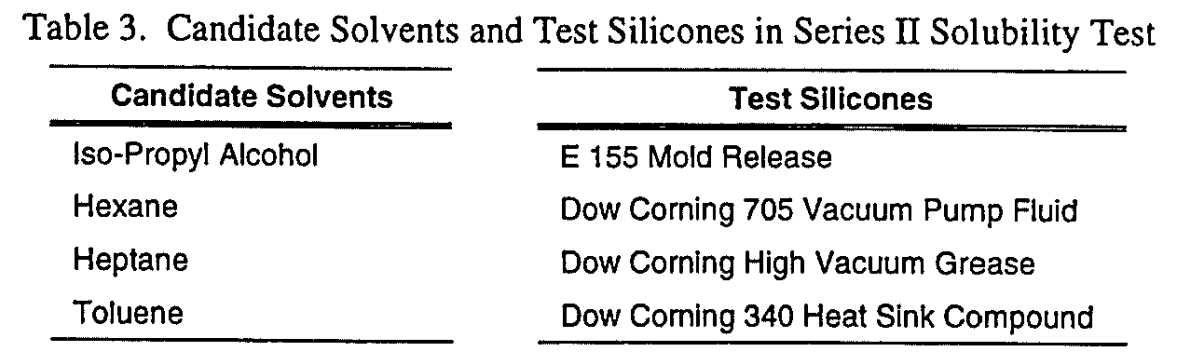
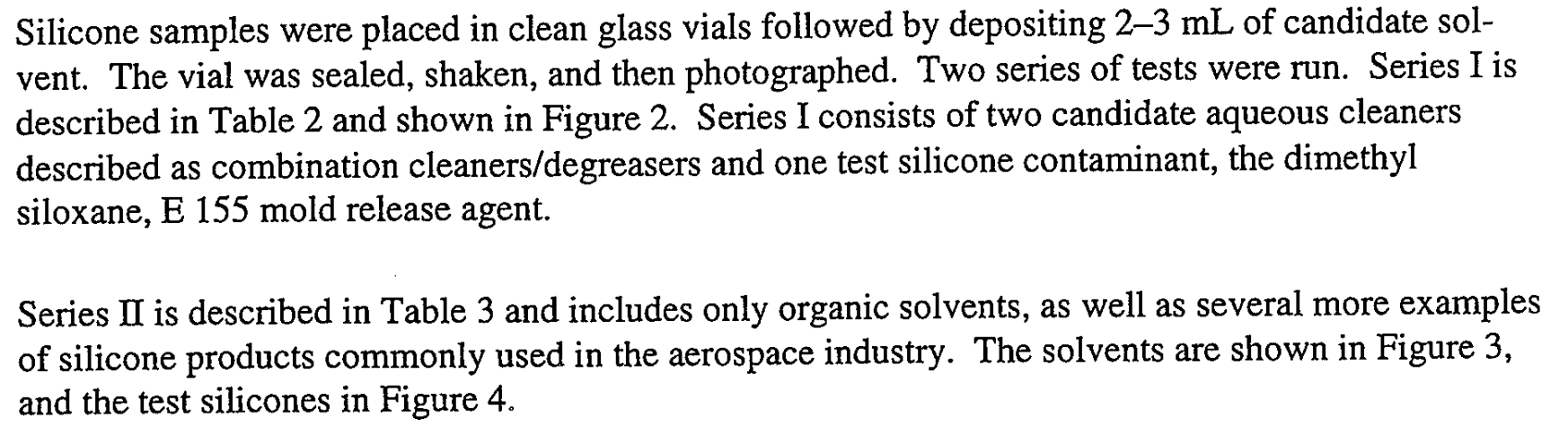
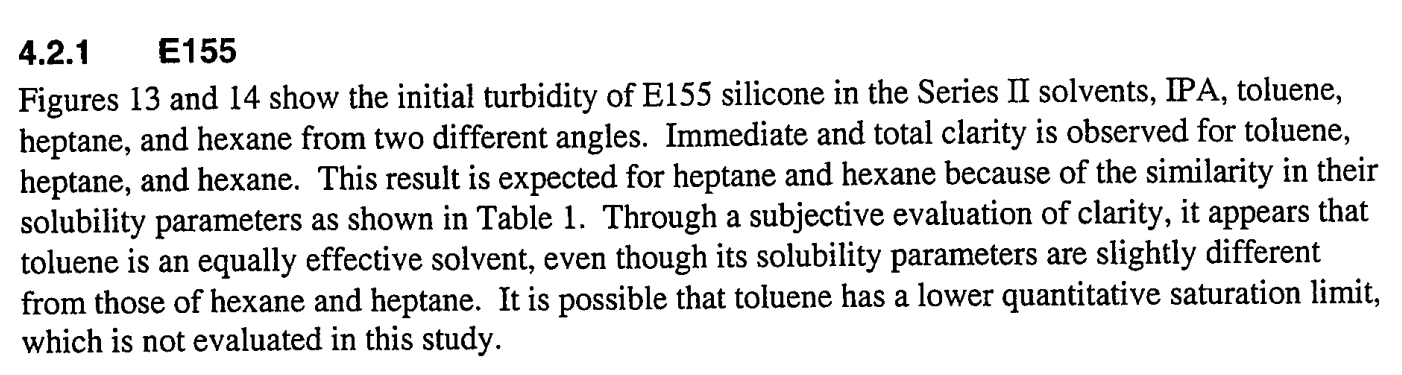
See the results from test series I and II for the surface removal and solubility of dimethyl siloxane (Wacker E155 Release Agent) in various solvents, including iso, heptane, hexane, and toluene, from:

The Removal of Silicone Contaminants from Spacecraft Hardware (full text)

Abstract:

Silicone compounds are found in a wide variety of aerospace applications and are thus frequently encountered in ground processing accidents. Silicones are largely inert with respect to many chemical reactions, which make them highly desirable as sealants, adhesives, and vacuum pumping fluids. However, this same property makes them difficult to remove. In the course of several major accidents in the last five years, many cleaning approaches have been used. The most common approach has been the use of isopropyl alcohol IPA. In this report, we test the solubility of various silicone products in an array of organic solvents and two commercial cleaning agents. The solubility was evaluated by visually assessing the turbidity of the solution. Good solubility is observed for most silicones in hexane, heptane, and toluene. Only modest solubility was observed for the commercial cleaners. Initially, silicones were found to be insoluble in IPA. However, with extended time of up to 20 min, or slightly elevated temperature, silicones were seen to eventually dissolve in IPA. Thus, IPA could be an effective remover of silicones if the contaminated part can be immersed in an IPA bath. Silicone removal using CO2 jet spray is also discussed.

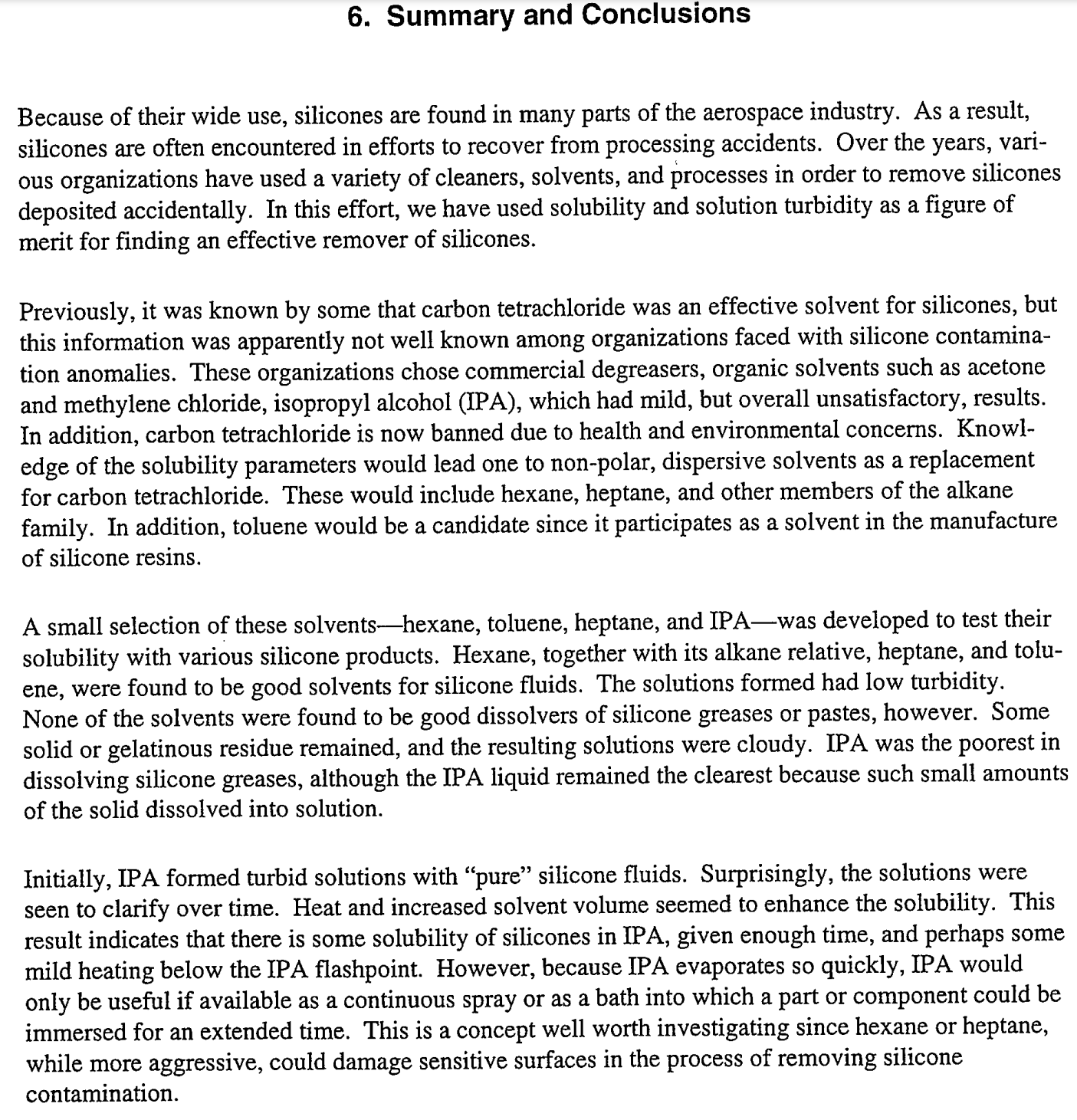
They found iso can work with caveates. And that hexane and toluene worked very well:

It may be worth your time to call Dana Johnson from Birko to pick his brain about whether a wash step after removing the siloxane but before the citric acid rust removal step is useful. I spoke with Birko today before posting to make sure I was listing the correct products for you, they’re always happy to talk shop.

5 Likes

circulated about 4 gal of Isopropanol though there for over an hr. about 26C final temp. turning the heat on for that step seemed like a bad move :wink:

water might be next, but I’d like more in the way of surfactants. I’ve got alconox on hand, but will likely hit up Dana Johnson from Birko.

thanks!!

3 Likes

Anytime brother! I’m glad it was helpful. I owe you for all I’ve leanred from you.

1 Like