I’m thinking about grabbing 8 of the new 8ft Model 5 under canopy fixtures to try out
1 Like
Hit my dm I got you! I’ll put you in a direct conversation with my global partner
1 Like
Appreciate it. I’ll be in touch soon! 
1 Like
I’ve been informed the ucl model 5’s are selling out quick if you’re trying to get some of talk in on those now!
Doing meetings with our partners to setup folks all day with some of the best lighting systems this coming season, tap in now!
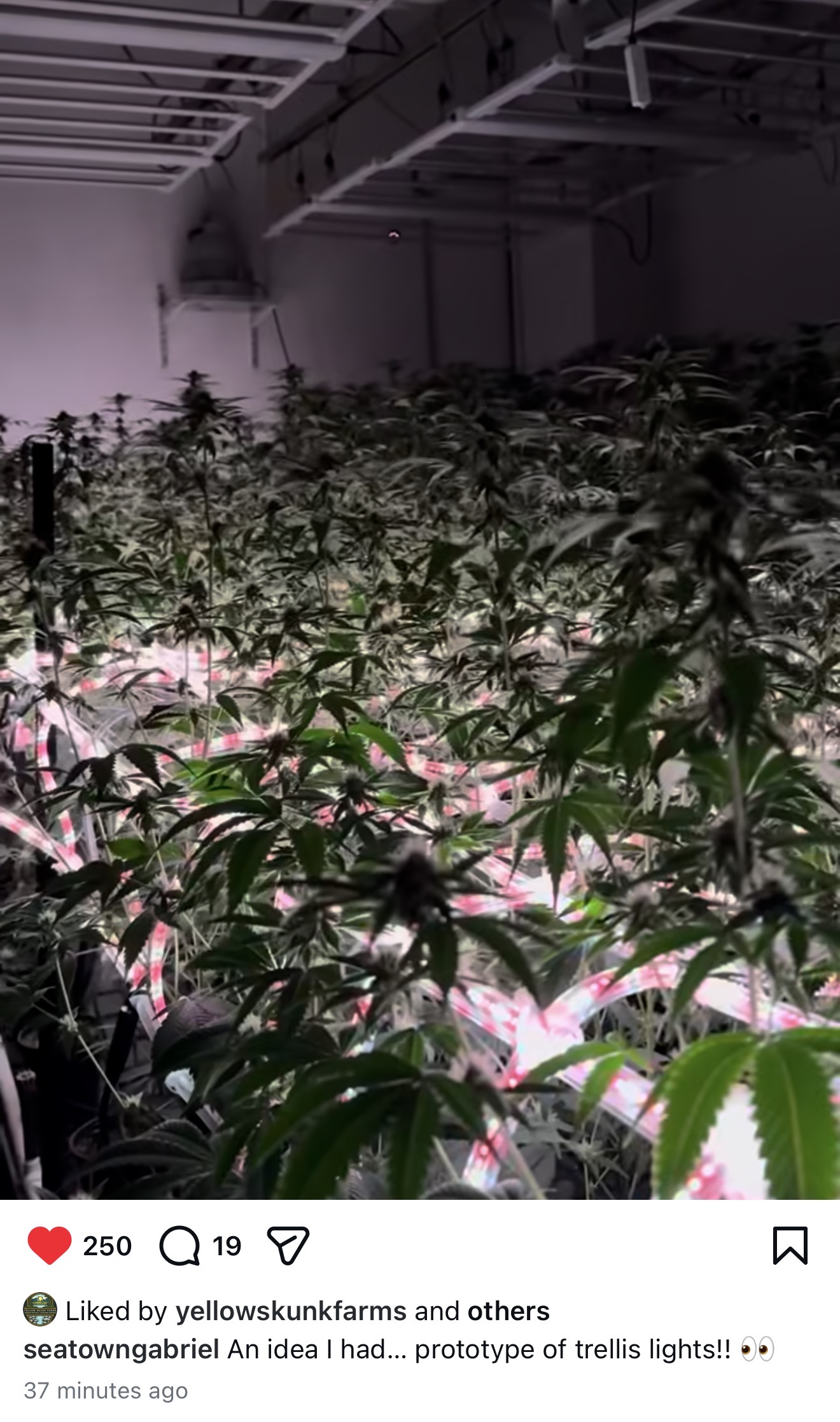

Sounds like a great way to have nugs ripped off while trellis itself is already a lot of the technicians don’t know what the heck to do or how to cut it properly. Giving them another obstacle, no thank you plus I hate to reiterate this one, but with lower wattage lighting like those you’ll never see the same bulking or production of resin from 250-300w fixtures. Even the spot in currently at runs 120w fixtures from faven and the bulking isn’t there. Fixed spectrum far red doesn’t help as much for bulk at all.
If you’re pulling lines taut to form a grid, harvest may be easier than traditional trellis. If you’re weaving them together and using cable ties at every square, harvest will be a nightmare. Big round ropes are a lot less likely to catch buds than thin trellis. Pulling them out horizontally vs. vertically would make all the difference.
I feel the biggest downside is cleaning. PVC trellis frame on the outside of the canopy already gets caked with resin. I can’t imagine how bad these lights would get in the center of the canopy.
I can see its place in a tent grow, if they’re developed in a better spectrum. You also don’t need 250-300w fixtures, if the buds are literally up against them. This is 200w over a 4x4. Should be interesting to see how it turns out.
1 Like
That’s because far red alone leads to stem elongation. More stretching, less stacking.
Emerson effect (photosynthetic enhancement) vs. EOD far red (photomorphogenesis). Many confuse the two, or don’t implement them correctly.
Don’t use far red alone during the main light cycle. It must be used in conjunction with deep red to achieve the Emerson effect.
1 Like
“The under canopy lights were set to far red and left on for an extra hour each day after the top lights were turned off during week six. This error was due to a controller issue and a Daylight Savings miscalculation.”
Just another reason they’re still behind in the tech. Anywhere I go that has “flexstar” favens I immediately look into trying to get them upgraded. they’re stuck on the far red and deep red. When I all reality you’re real ripening is happening from uv further into flower. The entire photochromatic shift relies on more blue as opposed to the far or deep red spectrums. Even if it’s the 120w bar from any company idc the bulk isn’t there. You can have same ppfds, but unless you’re actual wattage is similar you won’t see the bulk you would see all the way through to the bottom as you would with a 250w+ fixture.
I was going to bite my tongue and respectfully agree to disagree, but this is completely backwards. I feel it’s important for other readers to have the correct understanding.
Phytochromes are the primary receptors for red/far-red light. They only absorb a minute amount of blue/UV-A.
Cryptochromes and phototropins are the primary receptors for blue/UV-A.
Cryptochromes (CRY1-3) handle photomorphogenesis and de-etiolation, while phototropins (PHOT1, PHOT2) mediate phototropism, stomatal opening, and leaf expansion.
Cryptochromes also regulate the plants circadian rhythm in response to blue and UV-A light.
Cryptochromes and phytochromes work together to regulate photomorphogenic responses (seedling development, cell elongation, flowering, etc.).
“Phytochrome acts as a molecular switch in response to red and far-red light. It occurs in two reversible conformations (Pr and Pfr), which absorb red light (R) and far-red light (FR) respectively.”
Deep red turns the “switch” on, while far red turns it off. This is reversible depending on wavelengths.
Blue light mediates responses via cryptochromes (not phytochromes), the photochromic “switch” is a R/FR-specific mechanism.
I will bite my tongue on this one.


2 Likes
I do appreciate how you dropped info on the phytocromatic shift. But I again am referencing the photocramatic shift. As in when you’re turning to fade and wanting to pull more color. Which is also why I had referencing being further into flower which is where I’d would definitely suggest implementing more uv opposed to pushing more red spectrum.
I’ve ran side by side trials for months on end to see the difference and have data to back up a far independent red spectrum will always be less supportive to your photochromatic shift in plant expression. It doesn’t produce the same as a full spectrum with uv.
That’s a rather ignorant statement.
1 Like
To be clear, I’m not saying blue light/UV-A isn’t beneficial. I simply said not to use far-red alone during the main light cycle.
There’s plenty of studies that support your observations (not exactly for the reasons you claim).
“Blue light can be perceived by phytochromes, thus partially rebalancing the red:far-red ratio even when far-red light is not available [171], and blue light stimulates additional stomatal opening, mediated by the blue-light-absorbing carotenoid zeaxanthin [172]; these factors explain why red LEDs are usually less efficient than blue LEDs and why blue light can partially reverse the negative effects of pure red light [67].”
It’s just that this statement was not accurate
Using your own words
*photochromic
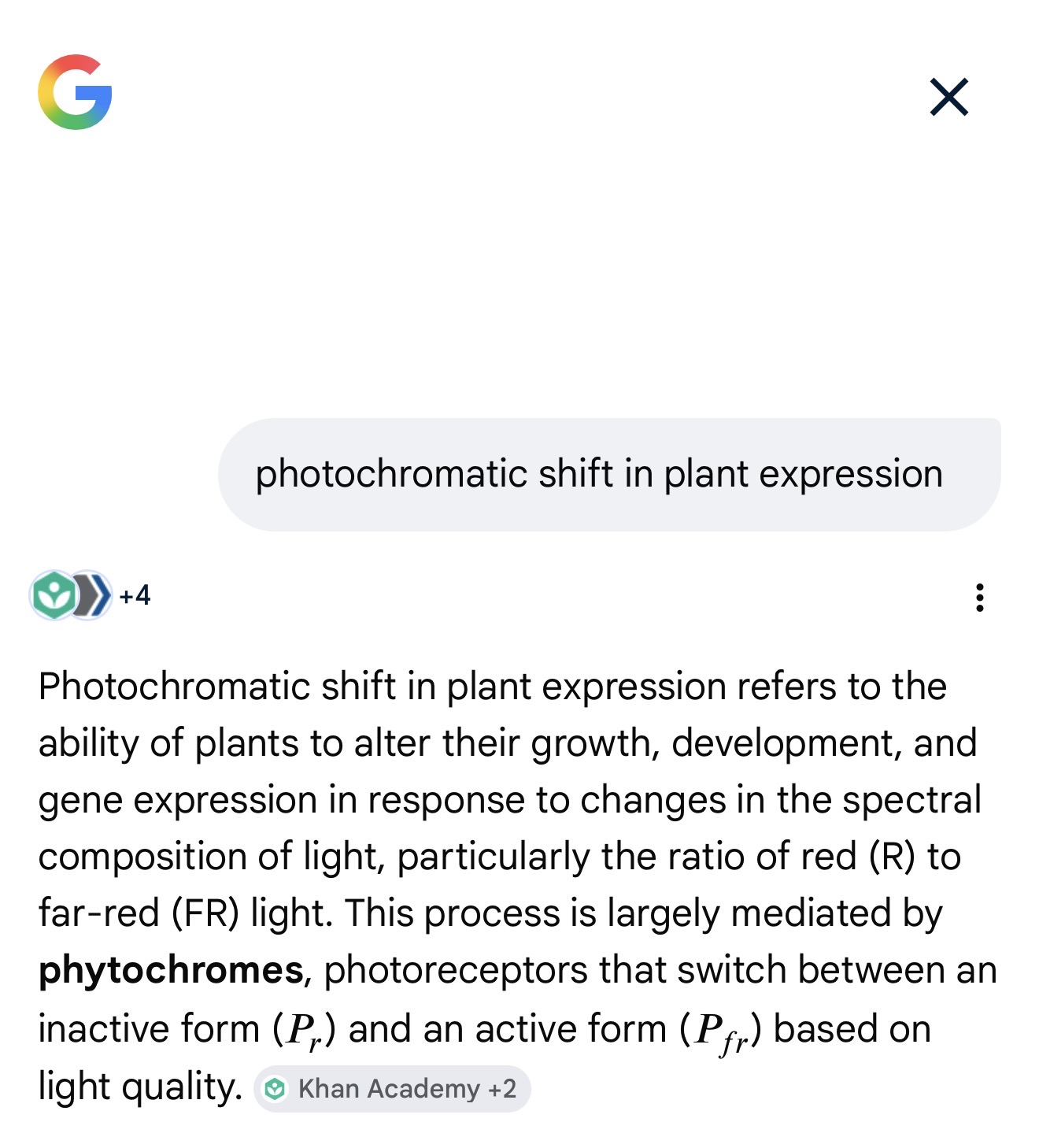
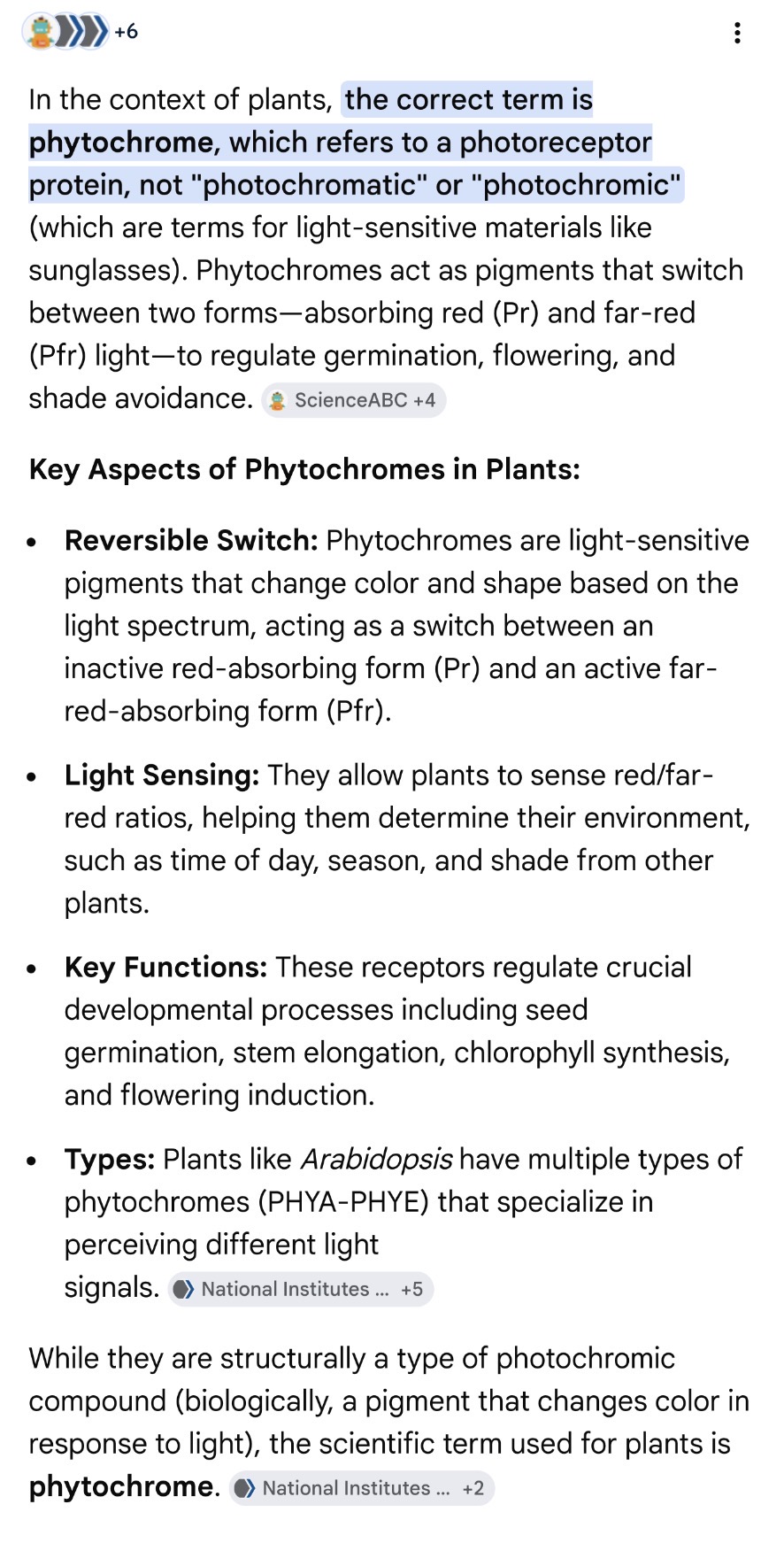
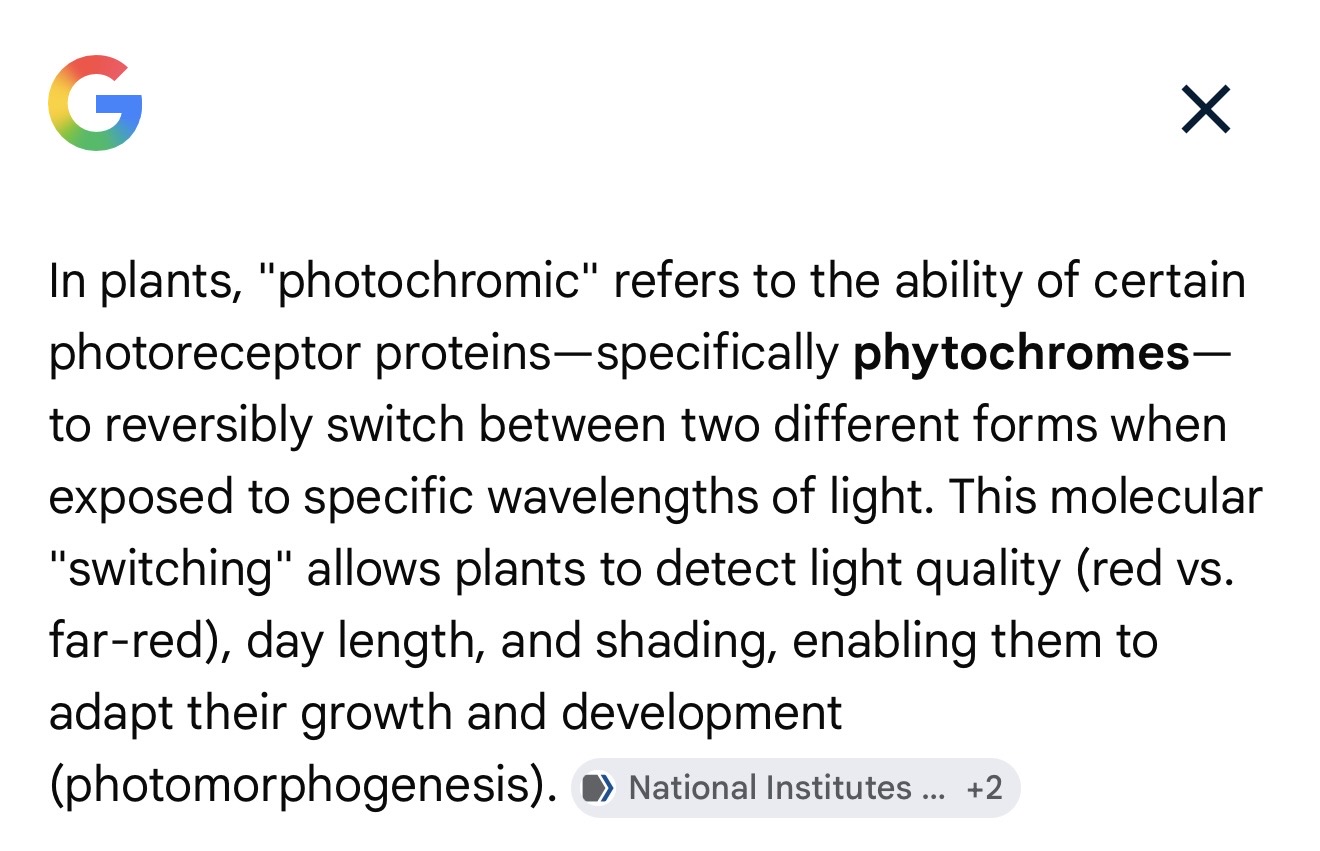
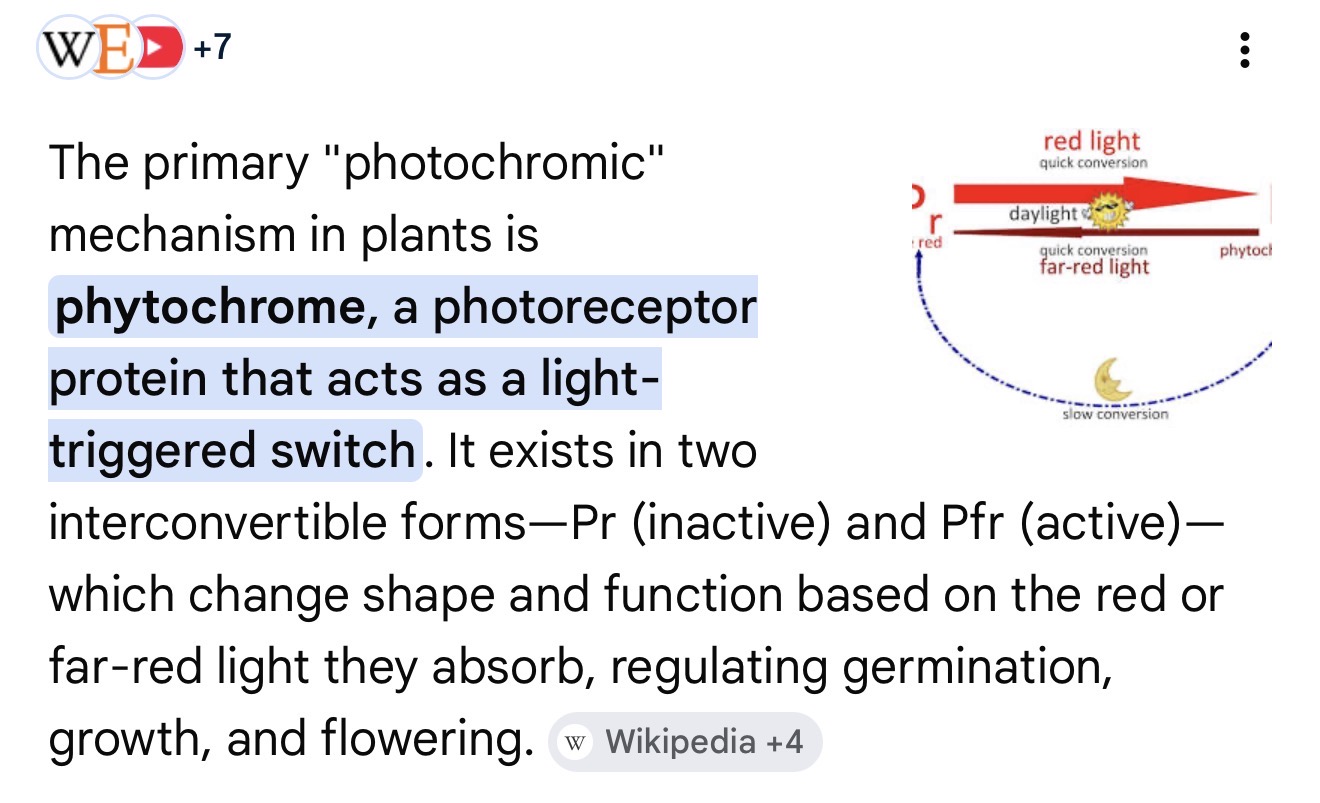
The term phytochrome, meaning “plant color”, was originally coined to describe the proteinous pigment that controls photoperiod detection and floral induction of certain short-day plants (such as cocklebur and soybean) (Garner and Allard, 1920), and the reversible seed germination of lettuce (c.v. Grand Rapids) by R
and FR light (Borthwick et al., 1952).
Hopefully we’re on the same page now
2 Likes
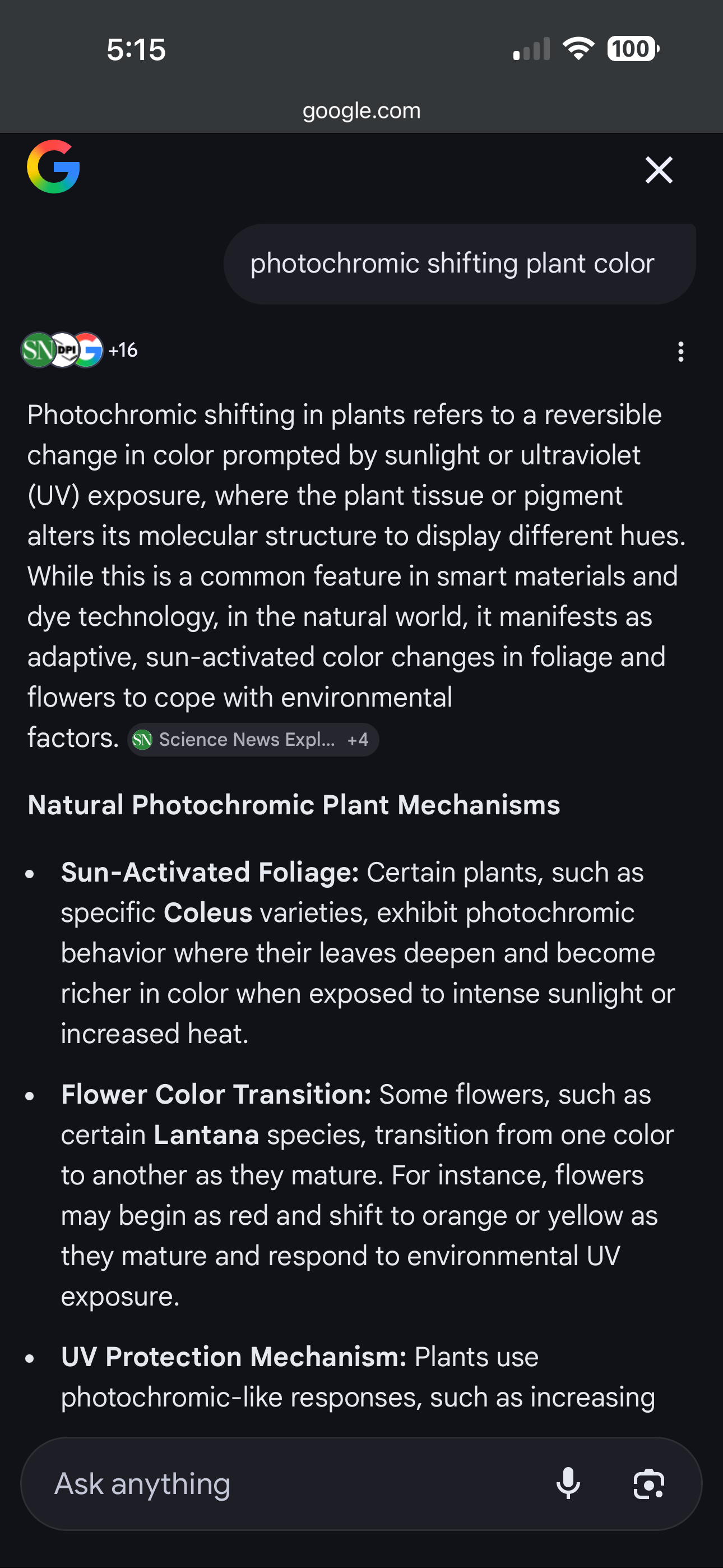
I was hoping that if I shed some light on the matter, it would force you to change colors. I can see that’s not going to happen, though…
All good. Thanks for the discussion.
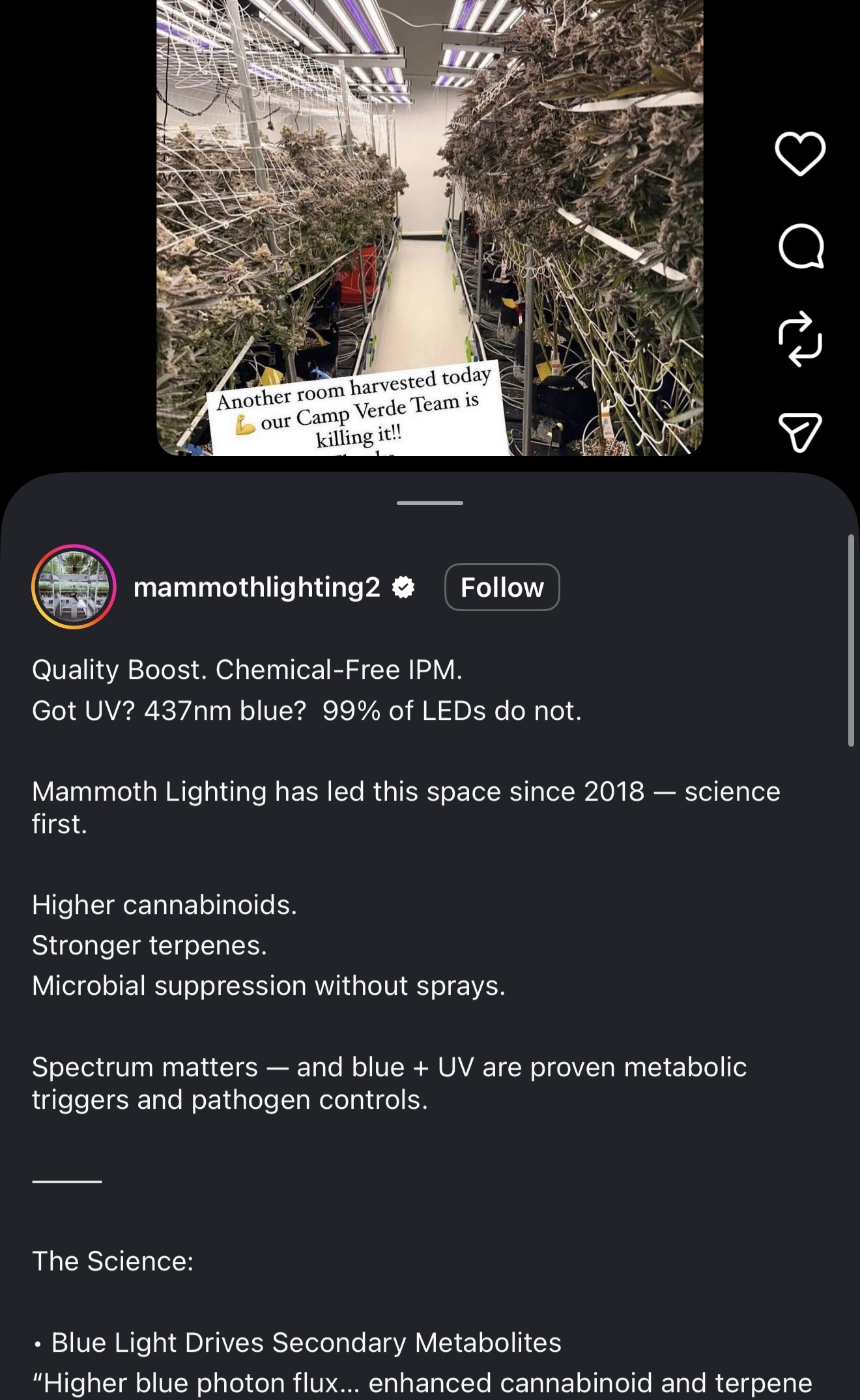
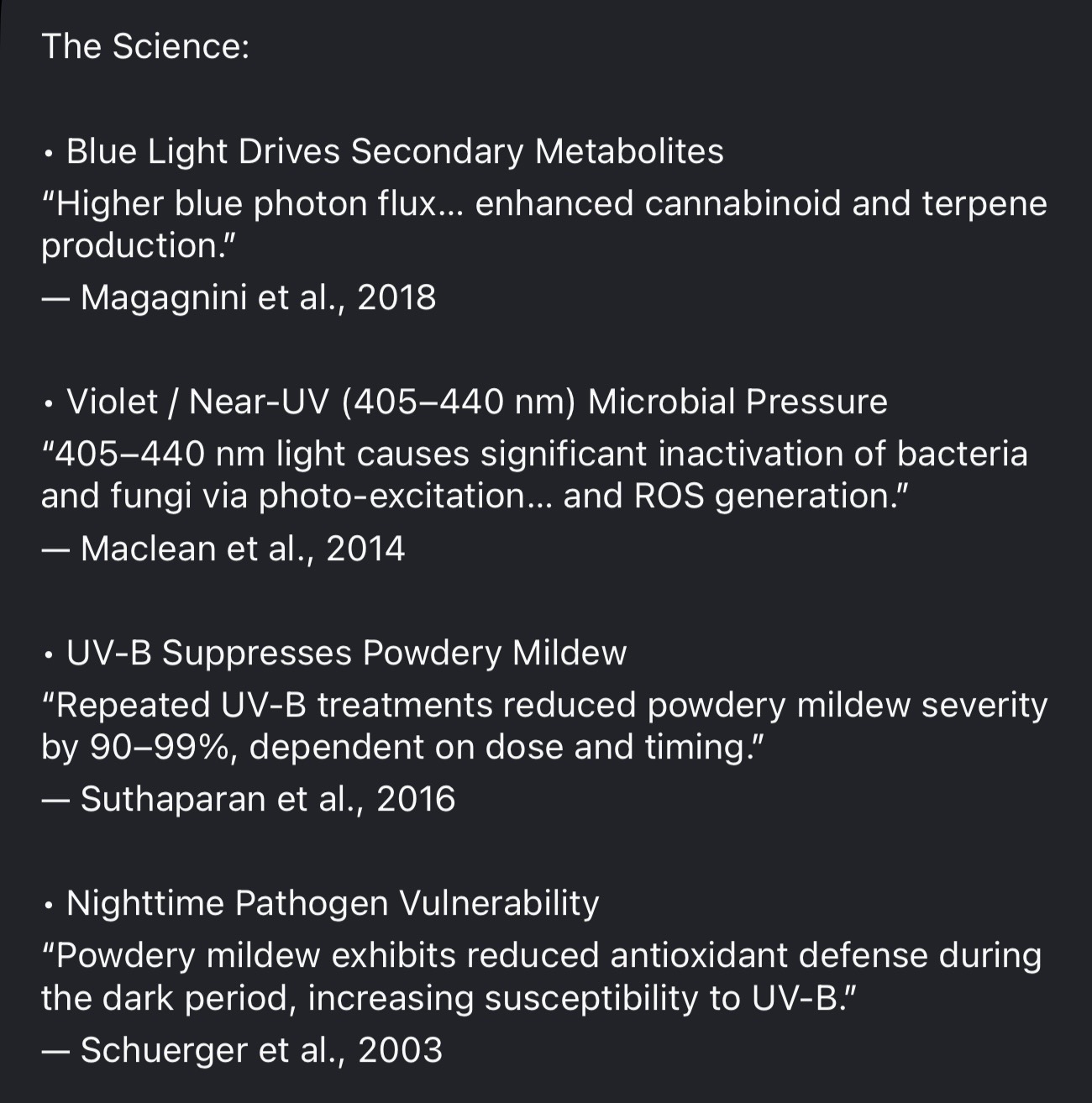
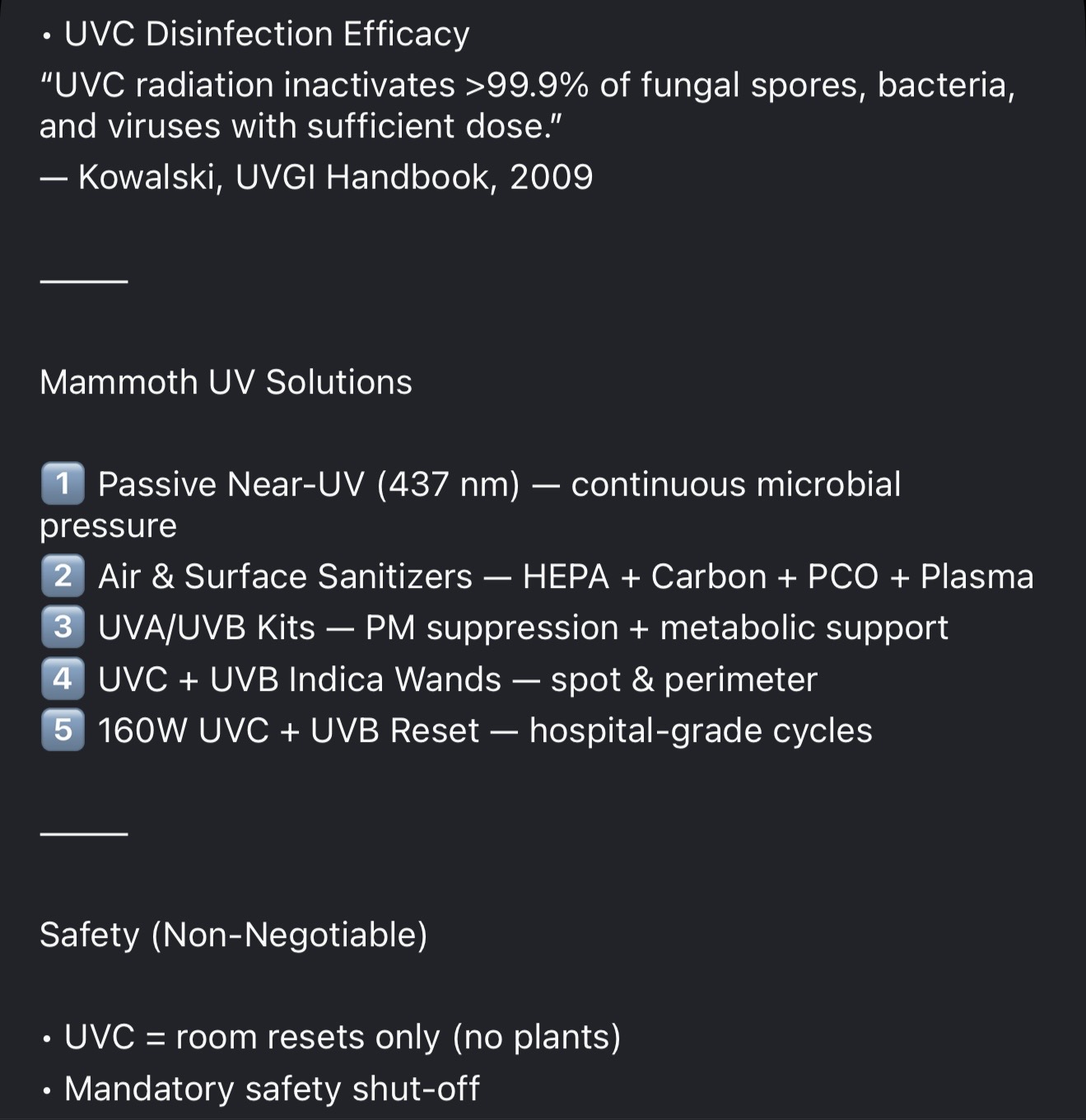
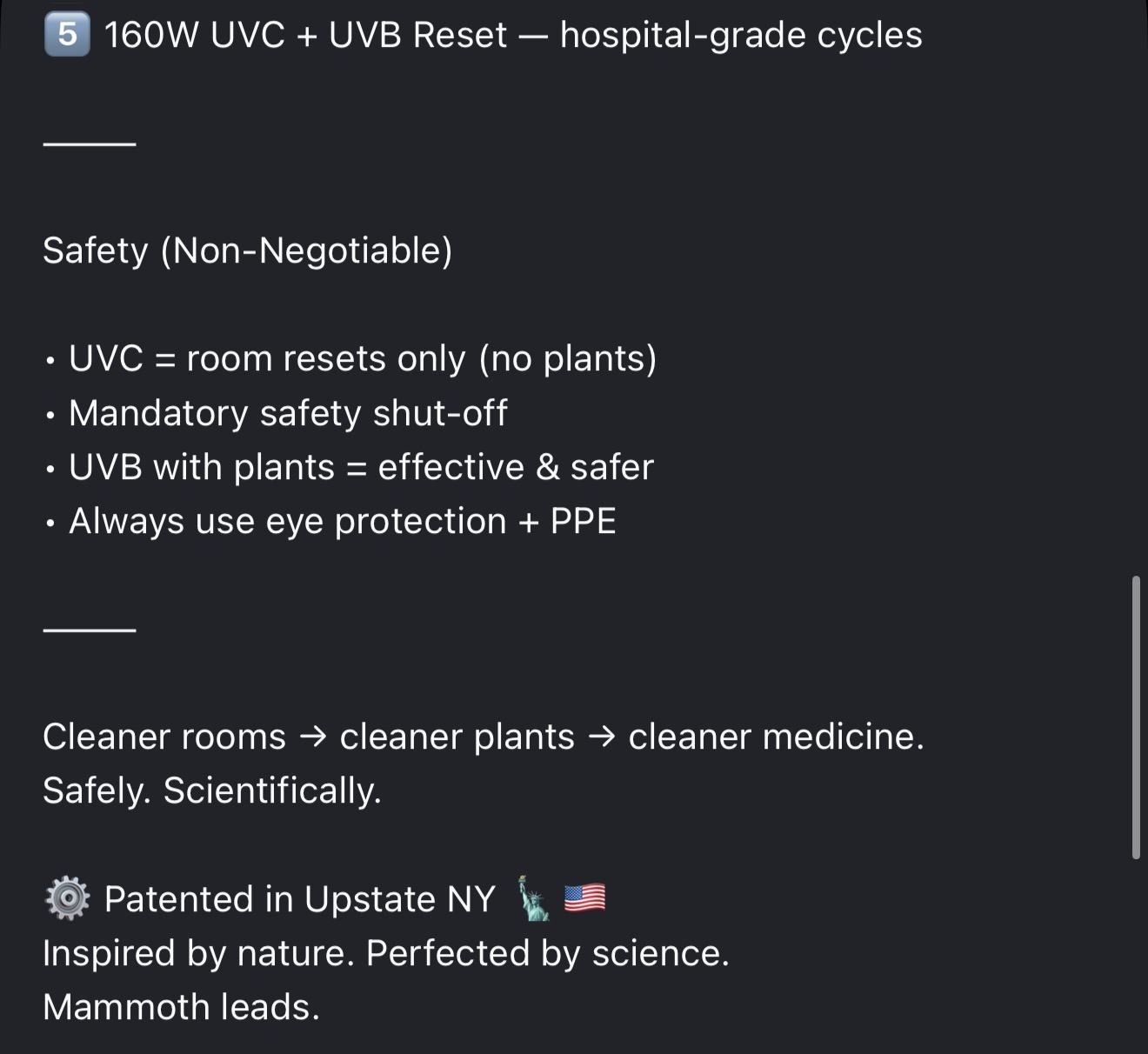
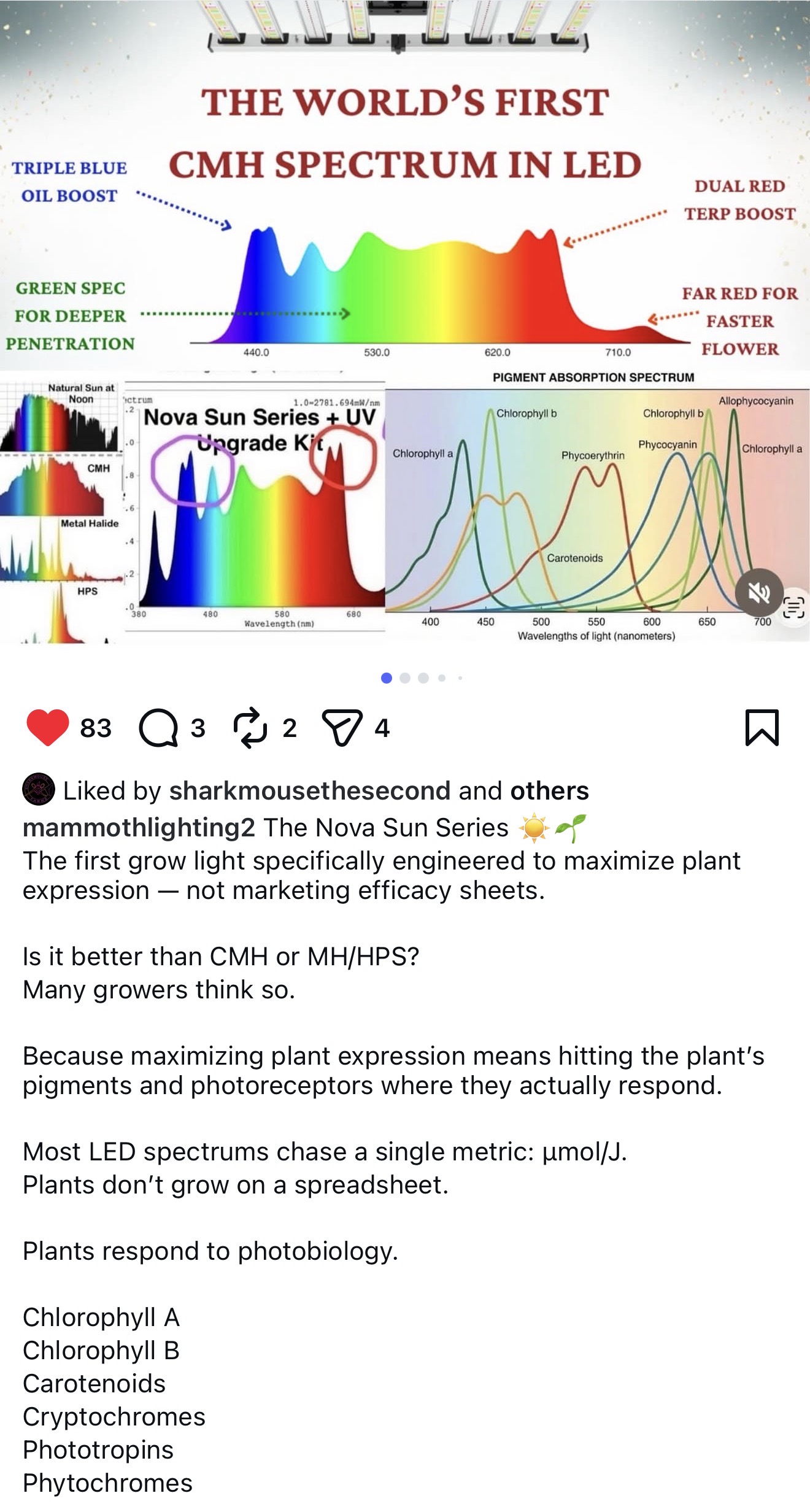
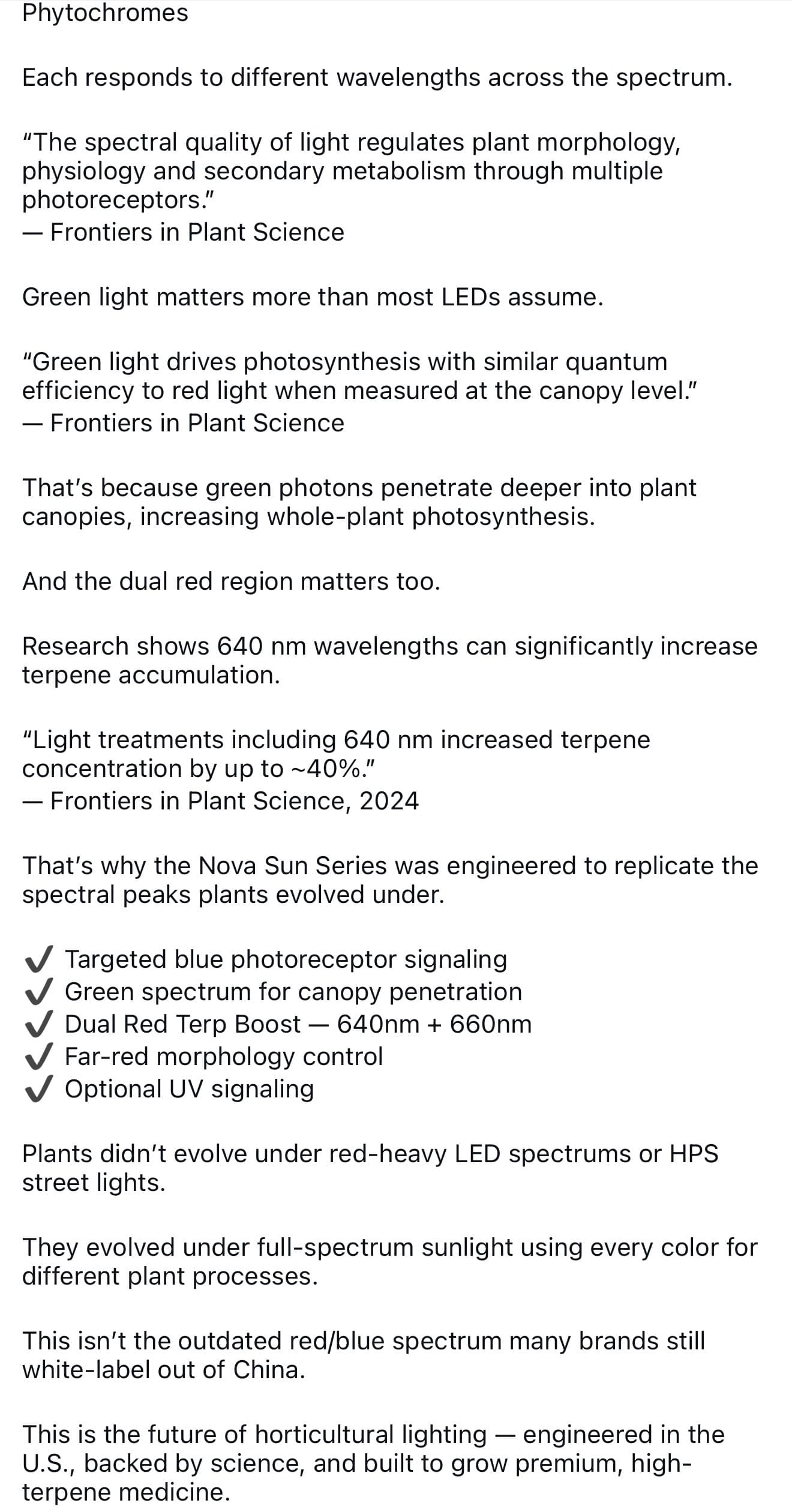
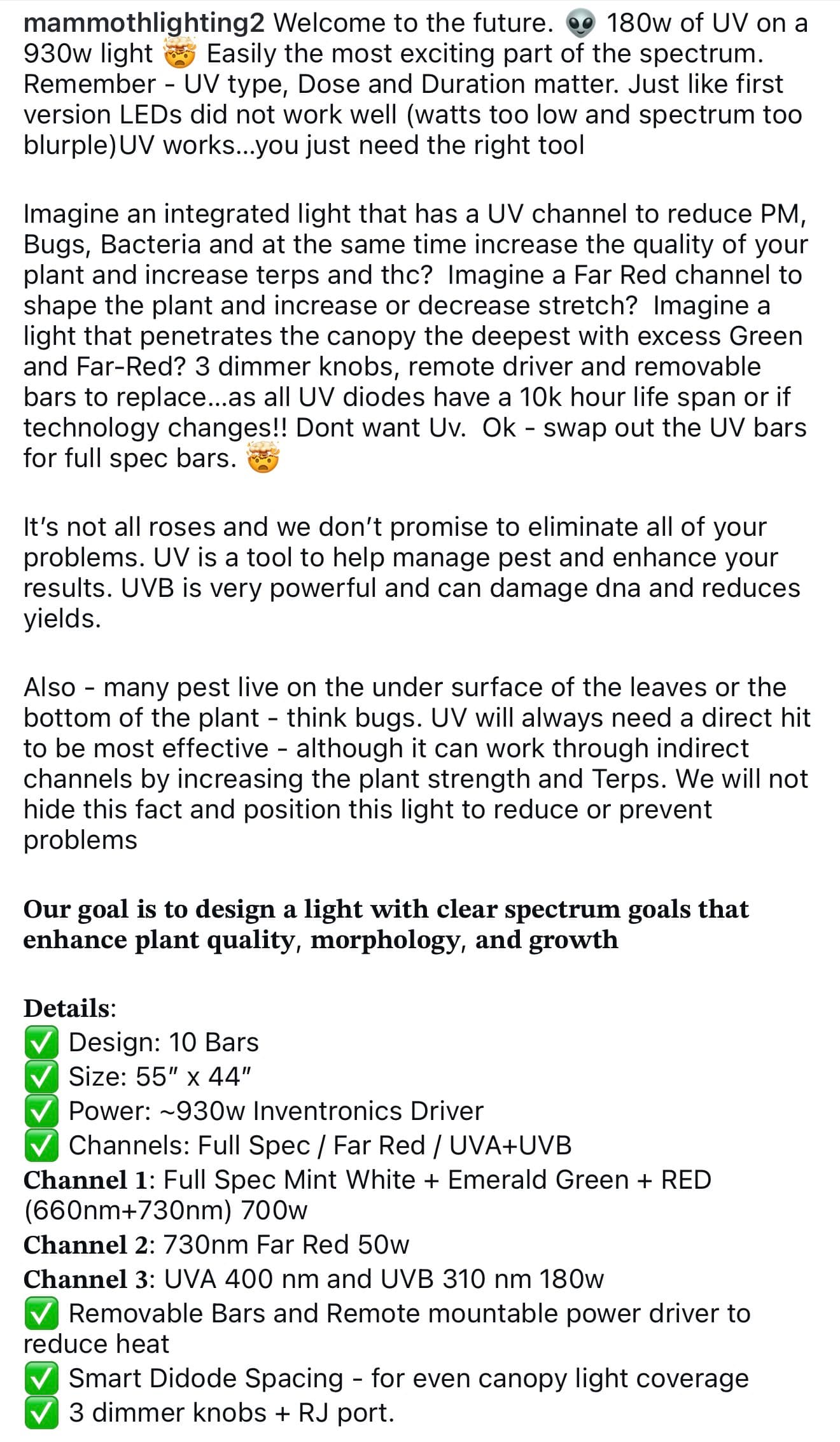
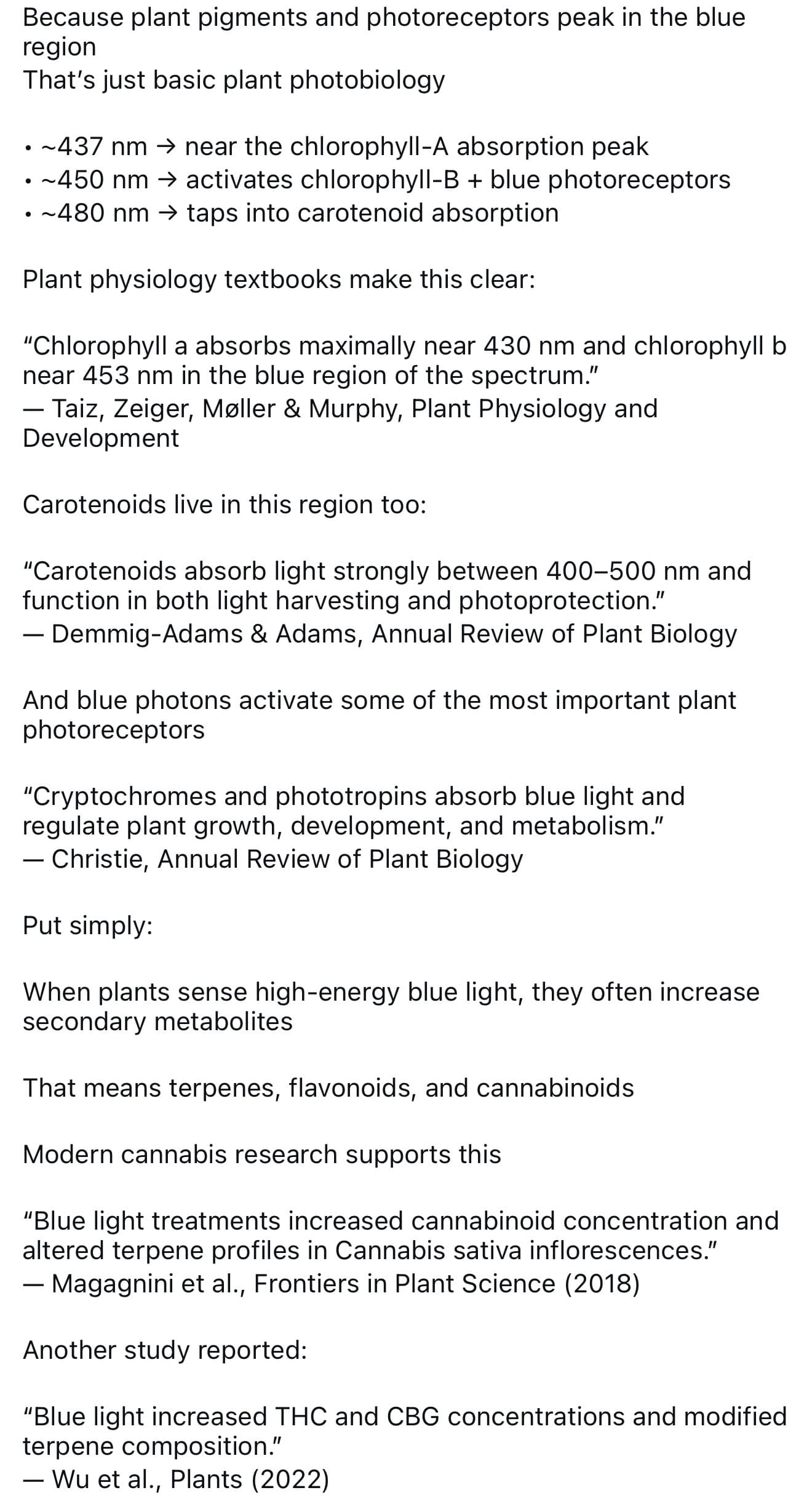
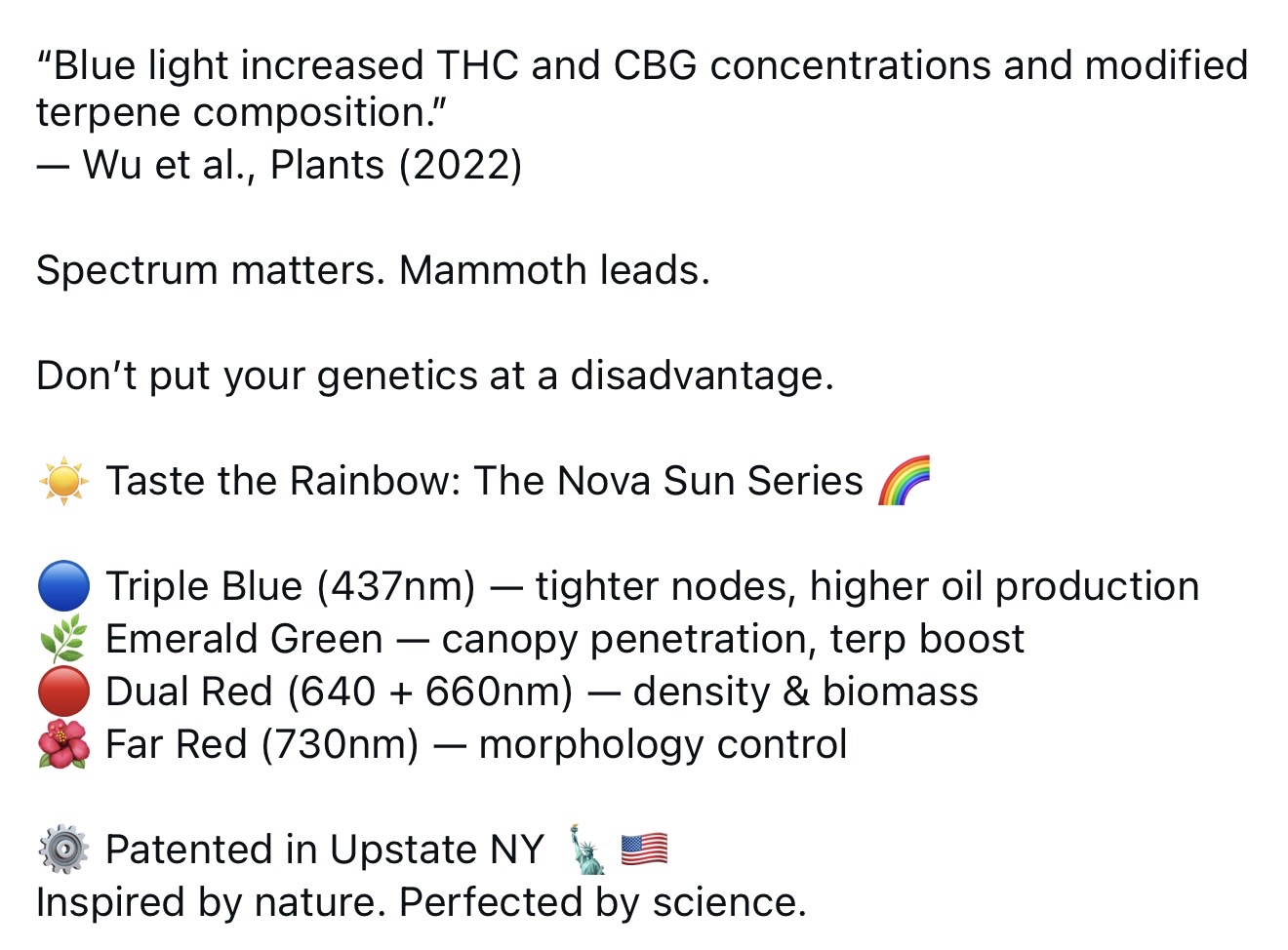
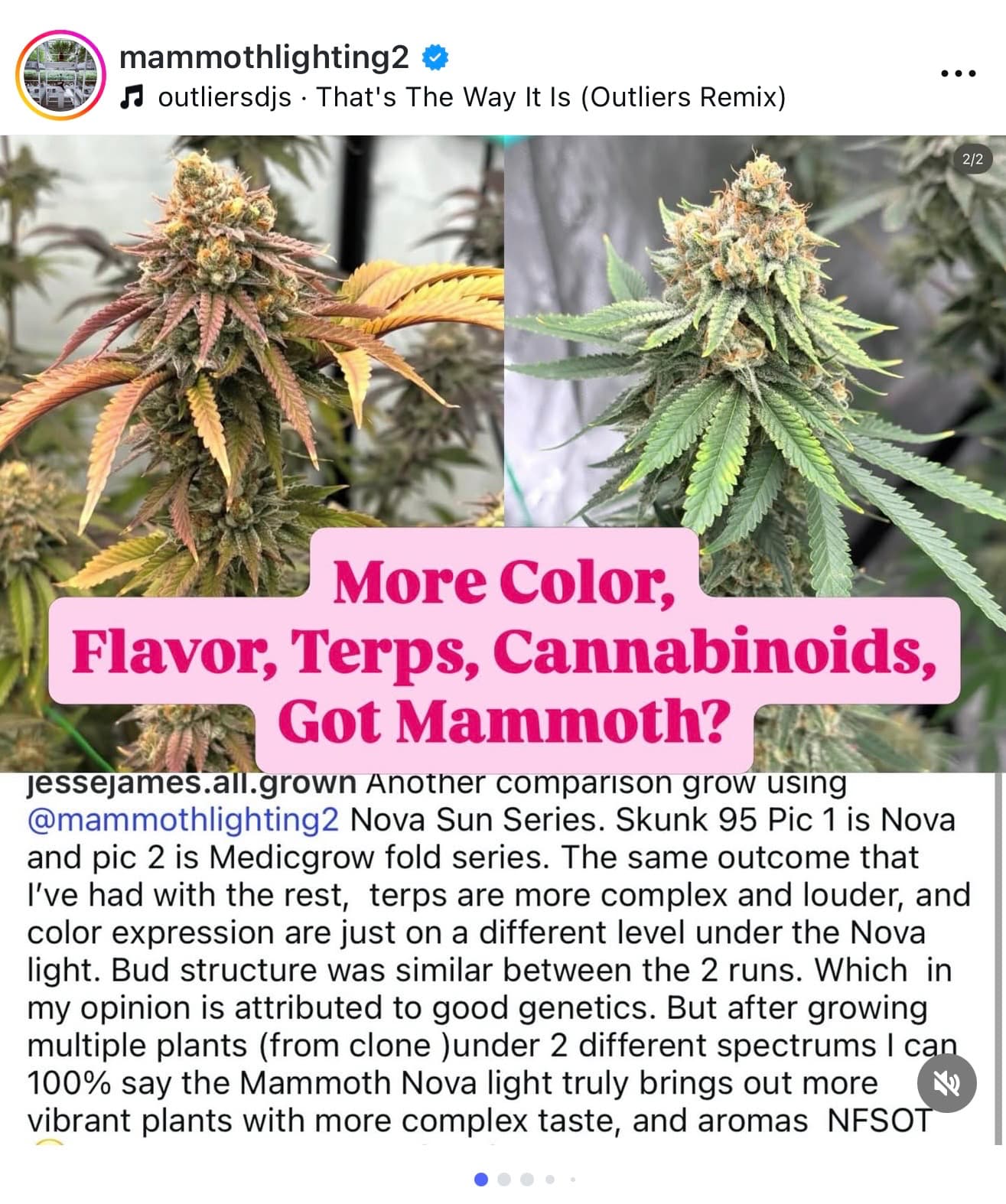
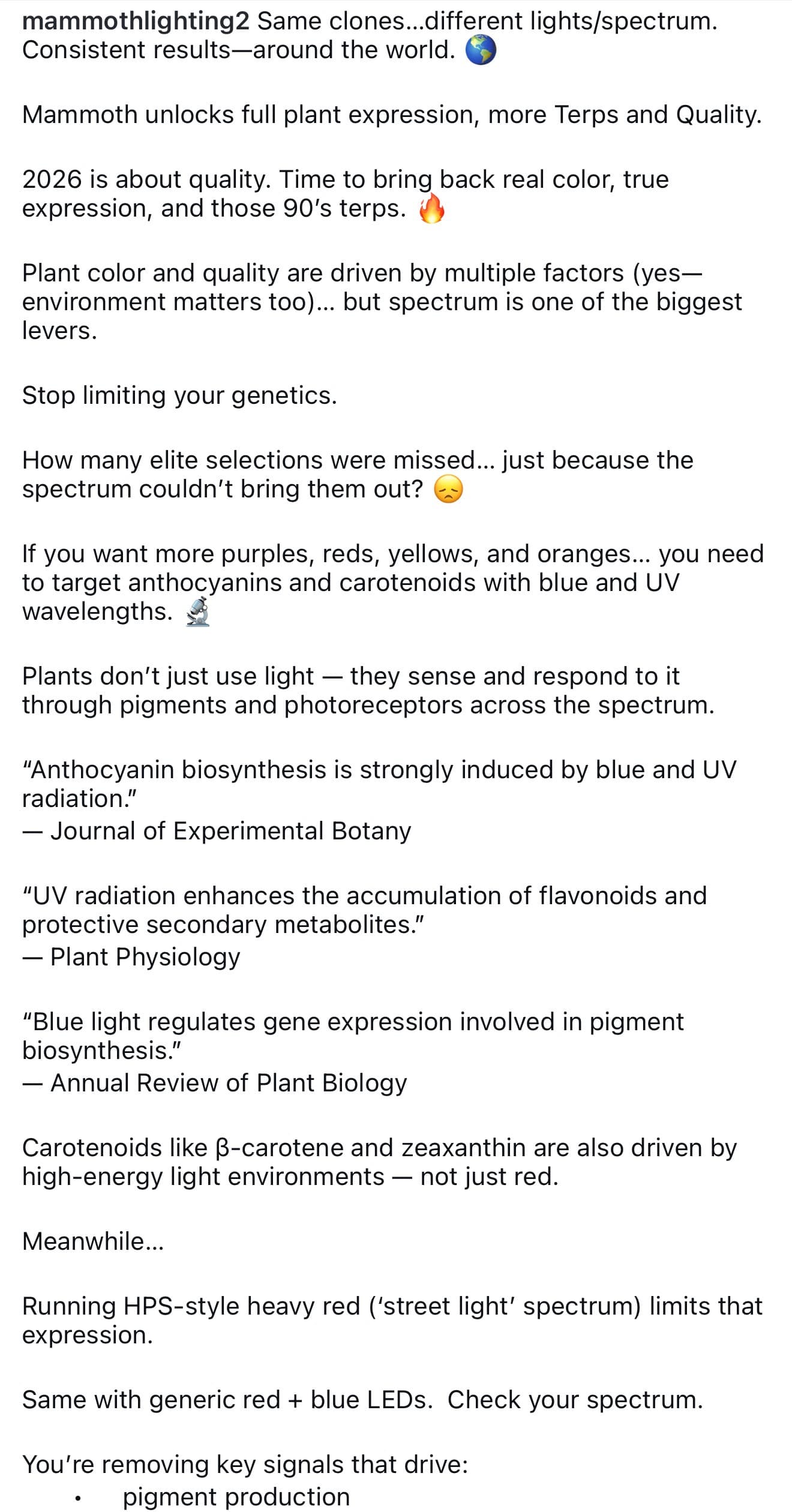
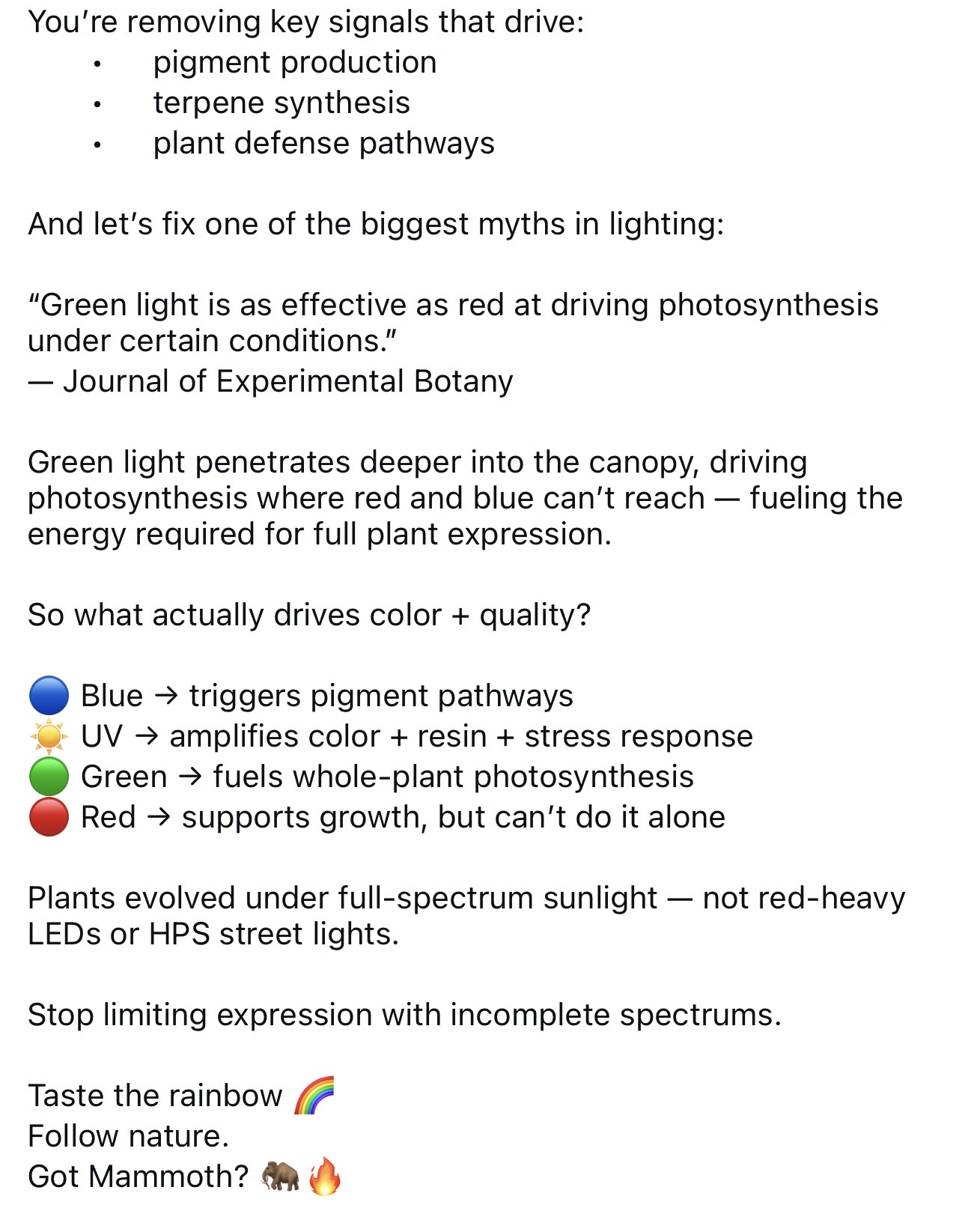
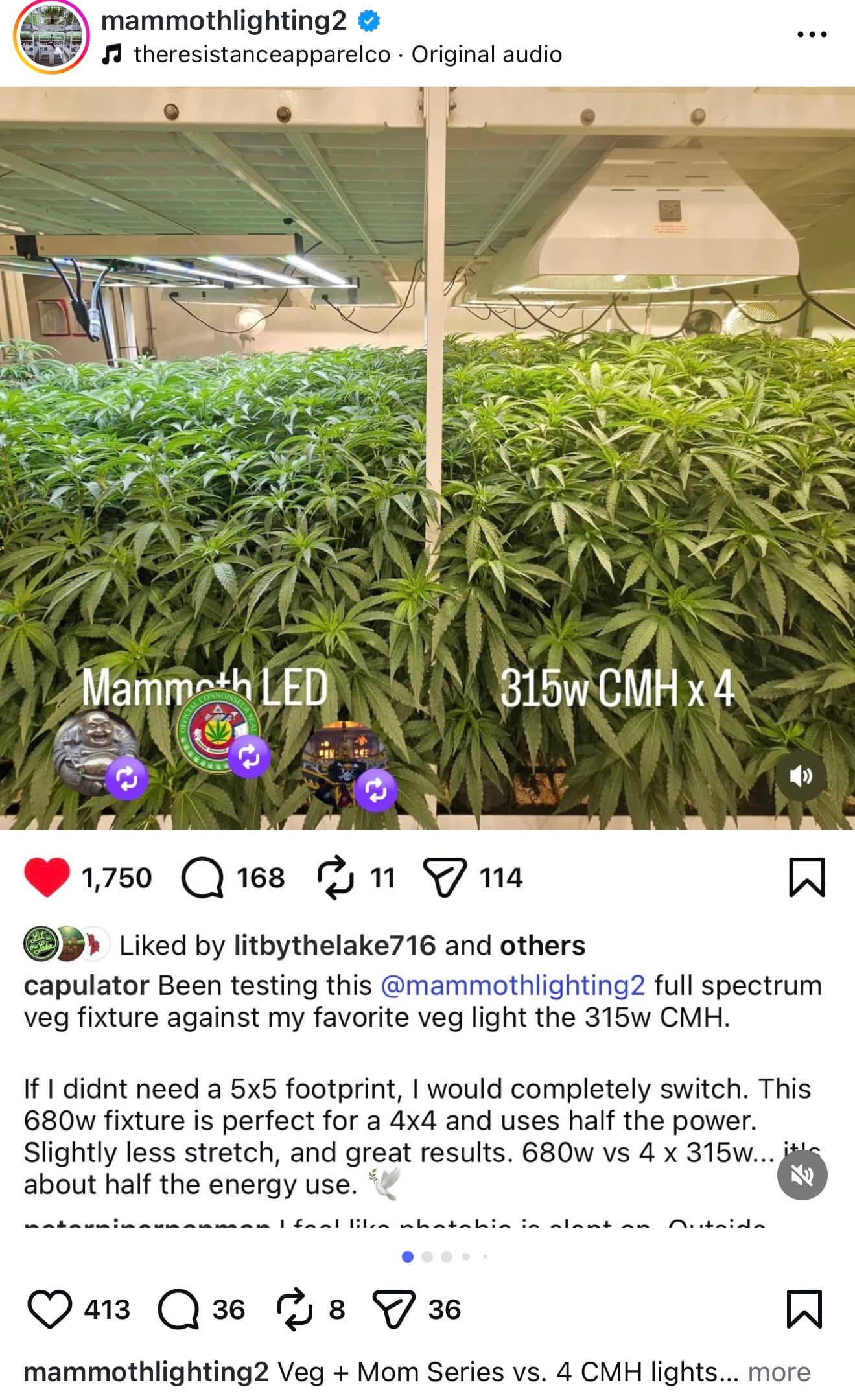
Some of the new developments from Mammoth Lighting, and the science behind them.
This is essentially what @Cheebachiefextracts was referring to